
Cart
0
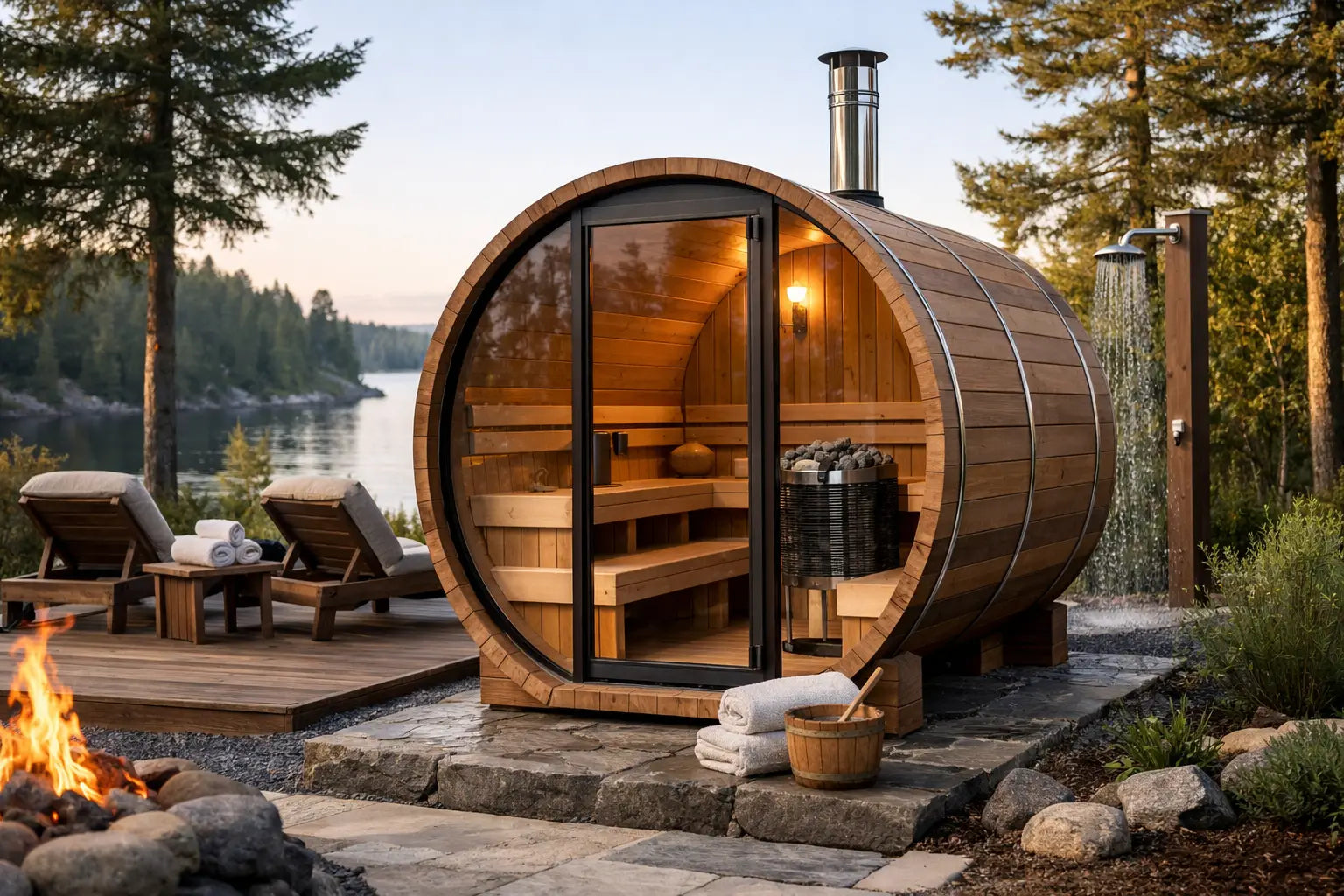
A sauna changes the rhythm of a property. It creates a reason to step outside before sunrise, linger after a cold plunge, or end a long dinner with friends in the quiet warmth of cedar. The right premium outdoor sauna kits do more than provide heat. They establish a private ritual space where architecture, landscape, and well-being meet.
For a primary residence, a vacation home, or a hospitality property, the best choice is rarely the largest model or the one with the most features. It is the sauna that feels considered in its setting, performs reliably through changing weather, and invites use often enough to become part of everyday life.
What Makes a Sauna Kit Feel Premium
A premium kit begins with materials chosen for the outdoor environment, not simply for a polished showroom photograph. Look for sauna-grade wood with natural stability and warmth, such as cedar, thermally modified wood, or carefully finished spruce. The wood should feel beautiful under bare feet and be suited to cycles of heat, humidity, sun, and cold.
Construction matters just as much. Thoughtful wall assemblies, insulated roof systems, quality glazing, weather-resistant exterior cladding, and well-fitted doors all shape how the sauna performs over time. A sauna that heats efficiently is more comfortable, but it is also easier to return to on an ordinary Tuesday evening.
The experience inside should feel intentional. Bench depth, backrest angles, window placement, lighting, and the location of the heater affect whether the room feels spacious and restful or merely functional. Generous windows can frame a grove of trees, a garden, or an open sky. They also require smart siting, since too much direct afternoon sun can make the space warmer than desired before the heater is even on.
Choosing the Right Premium Outdoor Sauna Kit
Start with the ritual you want to create, then select the structure. A compact two-person sauna can be a beautiful fit for a couple seeking a daily reset. A larger cabin-style sauna may better serve a family, a group of guests, or a rental property where shared wellness is part of the stay.
Match the size to real use
Capacity labels can be optimistic. Consider how people will actually sit, whether they will recline, and whether you want room for a second bench level. A sauna that nominally seats four may feel ideal for two people who value space and quiet. For hospitality settings, extra room often improves the guest experience and helps the structure feel generous rather than crowded.
Also consider the approach to the sauna. A small footprint can still feel luxurious when paired with a simple path, an outdoor shower, a plunge pool, or a sheltered changing area. The ritual starts before the door opens.
Select a heater that suits your property
Electric heaters offer ease, consistency, and straightforward daily operation when proper electrical service is available. They are often an appealing choice for homes and guest properties where convenience is essential. Many can be controlled with timers or remote systems, allowing the sauna to be ready when the evening settles in.
Wood-fired heaters create a more elemental experience. The tending of the fire, the scent of wood, and the soft crackle of flame can make sauna bathing feel deeply connected to place. They do, however, require a chimney system, suitable clearances, dry wood storage, and a little more hands-on attention. On remote properties or sites without the electrical capacity for a larger heater, that trade-off may be worthwhile.
Infrared models warm the body differently and can be useful for those who prefer lower ambient temperatures. Traditional sauna heat, especially when paired with water on sauna stones, offers a fuller heat-and-steam ritual. Neither is universally better. The decision comes down to the sensory experience you want and how you expect to use the space.
Site the Sauna as Part of the Landscape
The most memorable outdoor sauna installations feel anchored rather than dropped into place. Before choosing a final location, spend time outside at different hours. Notice where the morning light lands, where the wind moves, what views deserve framing, and which areas feel naturally private.
A secluded corner of the yard can create intimacy, while a position near the home can make year-round use more likely. In snowy or rainy climates, a short, well-lit walk from the house can make a meaningful difference. A sauna tucked far down the property may be visually romantic, but it needs a path, drainage plan, and practical access for service, firewood, or electrical work.
Privacy deserves special attention when the sauna includes large windows. Mature planting, slatted screens, stone walls, or a carefully oriented façade can preserve the view while keeping the experience personal. Consider what the sauna will look like from inside the home as well. A well-designed structure can become a quiet focal point in the garden, even when it is not in use.
Build on a foundation that respects the site
A level, durable base is essential. Depending on the kit, site conditions, and local requirements, this may be a concrete pad, gravel foundation, pavers, deck, or engineered platform. The right solution supports the sauna evenly, manages moisture, and gives doors and windows the stability they need to operate properly.
Drainage is easy to overlook until the first heavy rain. Grade the area so water moves away from the structure, and avoid placing the sauna where runoff collects. If your vision includes a cold plunge or outdoor shower, plan the entire water story at once, including drainage, freeze protection, and slip-resistant surfaces.
Plan for Installation Before Delivery Day
Many premium outdoor sauna kits are designed to simplify assembly, but simple does not mean improvised. Confirm delivery access, staging space, foundation readiness, and the people or professionals who will handle installation. A narrow gate, steep driveway, or wooded lot can influence which kit format makes the most sense.
Electrical work should be handled by a qualified electrician, particularly for a high-output heater, lighting, or exterior controls. Local permitting, setbacks, and fire-safety requirements vary by jurisdiction. Checking them early protects the project schedule and helps avoid choosing a model that does not suit the site.
For wood-fired units, verify clearance requirements around the heater, chimney, roof penetration, and nearby structures. For electric units, make sure the available service can support the heater without compromising other major loads in the home. These details are not glamorous, but they are what allow the finished retreat to feel effortless.
Design the Ritual Around the Sauna
The sauna itself is only one part of the experience. A few thoughtful details can turn an outdoor installation into a place people return to again and again. A bench for cooling down, soft exterior lighting, hooks for robes, and a simple place to set water or towels can make the transition between heat and fresh air feel natural.
If space allows, pair the sauna with a cold plunge for a contrast ritual that feels both invigorating and restorative. A glamping dome, garden studio, or sheltered lounge nearby can extend the experience into an overnight retreat or a slower weekend gathering. The goal is not to fill the landscape with amenities. It is to give each element a purpose.
Choose finishes that age gracefully. Natural stone, gravel, timber, and low-maintenance planting tend to settle beautifully into outdoor settings. Avoid overlighting the area. A warm path light and a gentle glow near the entry are often enough to preserve the feeling of being outside after dark.
Care That Preserves the Experience
A well-made outdoor sauna does not demand constant attention, but it benefits from regular care. Let the space air out after use, wipe down benches when needed, and keep the exterior clear of leaves and debris. Inspect the roof, door seals, and any exterior finish seasonally, especially in areas with heavy rain, snow, or intense sun.
Interior wood is meant to develop character. Cleaning should be gentle, with sauna-appropriate methods that do not leave strong fragrances or residues behind. Exterior maintenance depends on the wood species and finish. Some owners prefer the silvered patina that develops naturally, while others choose periodic treatment to retain a richer original tone.
The most successful sauna projects are not built around a trend. They are built around the way you want to feel at home. Choose the structure that makes stepping into nature feel easy, then give it a place in the landscape where warmth, stillness, and open air can become part of your week.

