
Cart
0
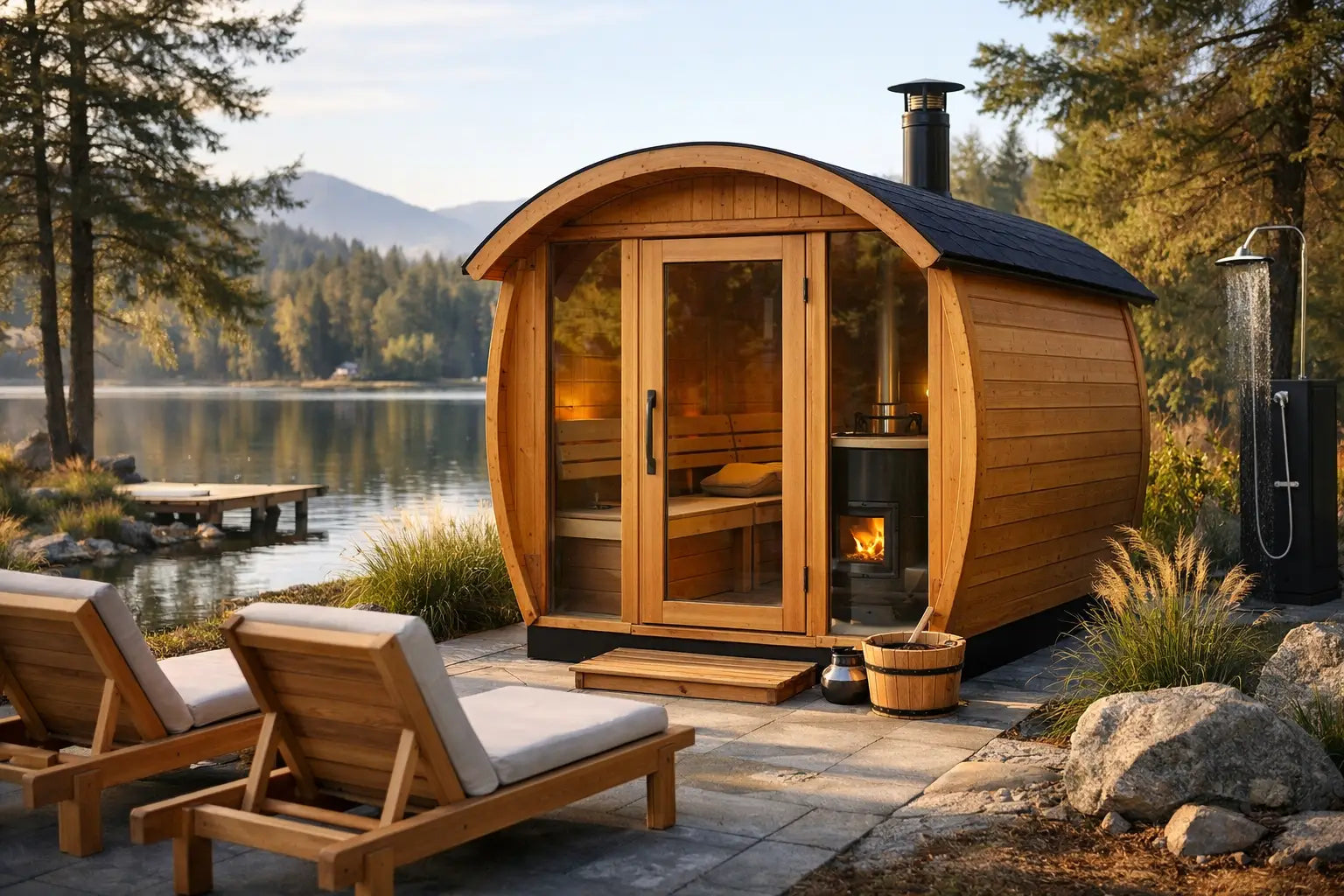
A beautiful sauna can change the rhythm of a property. It gives shape to a slower evening, makes a guest stay more memorable, and turns an unused corner of the yard into a place people return to on purpose. This outdoor sauna buying guide is designed for that kind of decision - not just choosing a unit, but choosing how you want your space to feel.
What an outdoor sauna should add to your space
The best outdoor saunas do more than generate heat. They create a ritual. You step outside, leave the house behind, and settle into a quieter setting where fresh air, wood, and warmth all work together. That experience is why outdoor models appeal to homeowners, hospitality properties, and wellness-focused retreats alike.
But the right choice depends on more than appearance. A sauna may look striking in photos and still feel too small, too high-maintenance, or poorly suited to your climate. Before you compare styles, it helps to define the role it will play. Is this your private morning reset? A social feature near a pool or cold plunge? A design centerpiece for a rental property? The answer affects everything from size to heater type to where it should sit on the land.
Outdoor sauna buying guide: start with how you will use it
Most buying mistakes happen when people shop by looks first and usage second. A compact barrel sauna may be perfect for two people who want a simple, efficient heat-up. It may be less ideal for a host who wants a more spacious interior and easier movement for multiple guests. Likewise, a larger cabin-style sauna can feel generous and luxurious, but it needs more room, more power, and a bigger investment.
Think in terms of your real pattern of use. If the sauna will mostly be used solo or as a pair, choose a layout that feels intimate rather than oversized. If you entertain often, or if guests will use it as part of a broader wellness experience, a little extra capacity usually pays off. Benches, ceiling height, and door placement all affect whether the sauna feels calm and open or merely compact.
It is also worth considering who will use it. Families, older adults, and short-term rental guests often benefit from designs with straightforward entry, comfortable seating heights, and intuitive controls. A sauna that feels easy to use tends to get used more often.
Choose the sauna style that matches your setting
Outdoor saunas generally fall into a few familiar forms, and each creates a different impression.
Barrel saunas are popular for a reason. Their curved shape is visually distinctive, and they tend to heat efficiently because there is less unused air space inside. They suit modern-rustic landscapes especially well and can look striking tucked into a garden, facing a view, or positioned beside a plunge pool. The trade-off is interior wall curvature, which some people love aesthetically but find slightly less spacious in practice.
Cabin saunas offer a more architectural feel. They usually provide straighter walls, a roomier interior, and more flexibility for bench design. If your goal is a polished outdoor retreat that feels closer to a small wellness studio, this style often delivers. They can also integrate more naturally with decks, guest areas, and design-forward properties.
There are also more sculptural or panoramic designs, often with larger glass elements. These can be stunning in the right setting, especially where privacy and scenery work together. The trade-off is usually cost, and sometimes a little less thermal efficiency depending on the glazing and build quality.
The best choice is not the one with the strongest first impression. It is the one that feels right on your property in every season.
Heat source matters more than most buyers expect
A key part of any outdoor sauna buying guide is understanding the heater, because this is where comfort and practicality meet.
Electric heaters are often the easiest choice for residential buyers. They are simple to operate, reliable, and well suited to people who want a consistent ritual with minimal setup. If convenience matters, electric heat is hard to ignore. The main consideration is electrical service. You need to confirm your property can support the heater requirements and that installation is realistic for the chosen location.
Wood-burning heaters bring a more elemental experience. The warmth feels traditional, the ritual is slower, and the atmosphere can be exceptional. For remote properties or buyers who value authenticity above convenience, wood-fired heat can be deeply appealing. Still, it asks more from the owner. There is fuel to store, fire to manage, and local code to review carefully.
Infrared is sometimes part of the sauna conversation, but for a true outdoor sauna experience, many buyers still prefer traditional heated-air models. The sensation is different, and so is the overall mood. If your goal is the classic cycle of heat, cool air, and deep exhale, traditional sauna design often aligns better with that experience.
Materials shape both longevity and atmosphere
The materials in an outdoor sauna affect durability, maintenance, scent, and visual warmth. This is not a place to cut corners.
Look closely at the wood species used inside and out. High-quality sauna woods should tolerate heat and moisture while remaining comfortable to the touch. Cedar is often favored for its natural beauty, stability, and aromatic character. Other woods can also perform well, but the construction details matter just as much as the species itself.
Pay attention to insulation, door hardware, roofing, and weather protection. Outdoor placement exposes a sauna to sun, rain, shifting temperatures, and moisture cycles that indoor units never face. A beautifully finished sauna with weak exterior protection may age faster than expected.
This is one reason premium buyers tend to focus on craftsmanship, not just dimensions. Clean joinery, thoughtful ventilation, durable fasteners, and quality glass all contribute to a sauna that looks refined and holds up over time.
Placement can elevate the entire experience
Where your sauna sits is as important as which sauna you buy. Placement affects privacy, views, drainage, utility access, and the emotional experience of using it.
A sauna should feel slightly removed, even on a compact property. That sense of separation helps it become a retreat rather than an extension of the patio. A path through the garden, a deck edge facing trees, or a quiet zone near a plunge pool can all work beautifully.
At the practical level, you need a stable base, adequate drainage, and enough clearance for safe installation and maintenance. You should also think about the walk between the sauna and the house, changing area, shower, or cold plunge. The path matters more than people realize, especially after sunset or during cooler months.
Privacy deserves special attention. Large windows can be a gift if they frame nature and preserve seclusion. They can be less appealing if they put users on display to neighbors. The most successful layouts balance openness with shelter.
Think beyond the sauna itself
A sauna rarely exists alone in a well-designed outdoor setting. It works best as part of a larger wellness rhythm.
For some properties, that means pairing it with a cold plunge, outdoor shower, lounge area, or fire feature. For others, it means creating a softer frame with gravel, decking, native plantings, and low lighting. These details are not extras in the decorative sense. They shape how often the space gets used and how restorative it feels once complete.
This is where design-conscious buyers often make their best decisions. Instead of treating the sauna as a standalone object, they treat it as one piece of an outdoor oasis. The result feels more intentional and more inviting.
Budget for the full project, not just the unit
The listed sauna price is only part of the real investment. Delivery, site prep, electrical work, roofing details, accessories, and assembly can change the final number significantly.
That does not mean the highest-priced model is always the right one. It means the smartest buyers compare total installed cost and long-term satisfaction. A less expensive sauna that requires heavy modifications or compromises on materials can end up costing more in the long run, whether through maintenance, repairs, or simple disappointment.
If the sauna is intended for a hospitality setting or short-term rental, durability and ease of use become even more valuable. Guests will not treat the space with the same care as an owner, so intuitive design and resilient construction matter.
How to know you are choosing well
A good sauna looks beautiful. A great one makes you want to step outside more often.
As you compare options, ask yourself a simple set of questions. Does this fit the scale and style of the property? Will it be comfortable for the way we actually use it? Are the materials and heater aligned with our climate and expectations? Can we imagine this space aging gracefully over the next several years?
That is the difference between buying a product and building a ritual. At Tanari Earth, the most compelling outdoor spaces are the ones that invite you back again and again - not because they are flashy, but because they make restoration feel close at hand.
Choose the sauna that supports that feeling, and the rest of the space tends to follow.

