
Cart
0
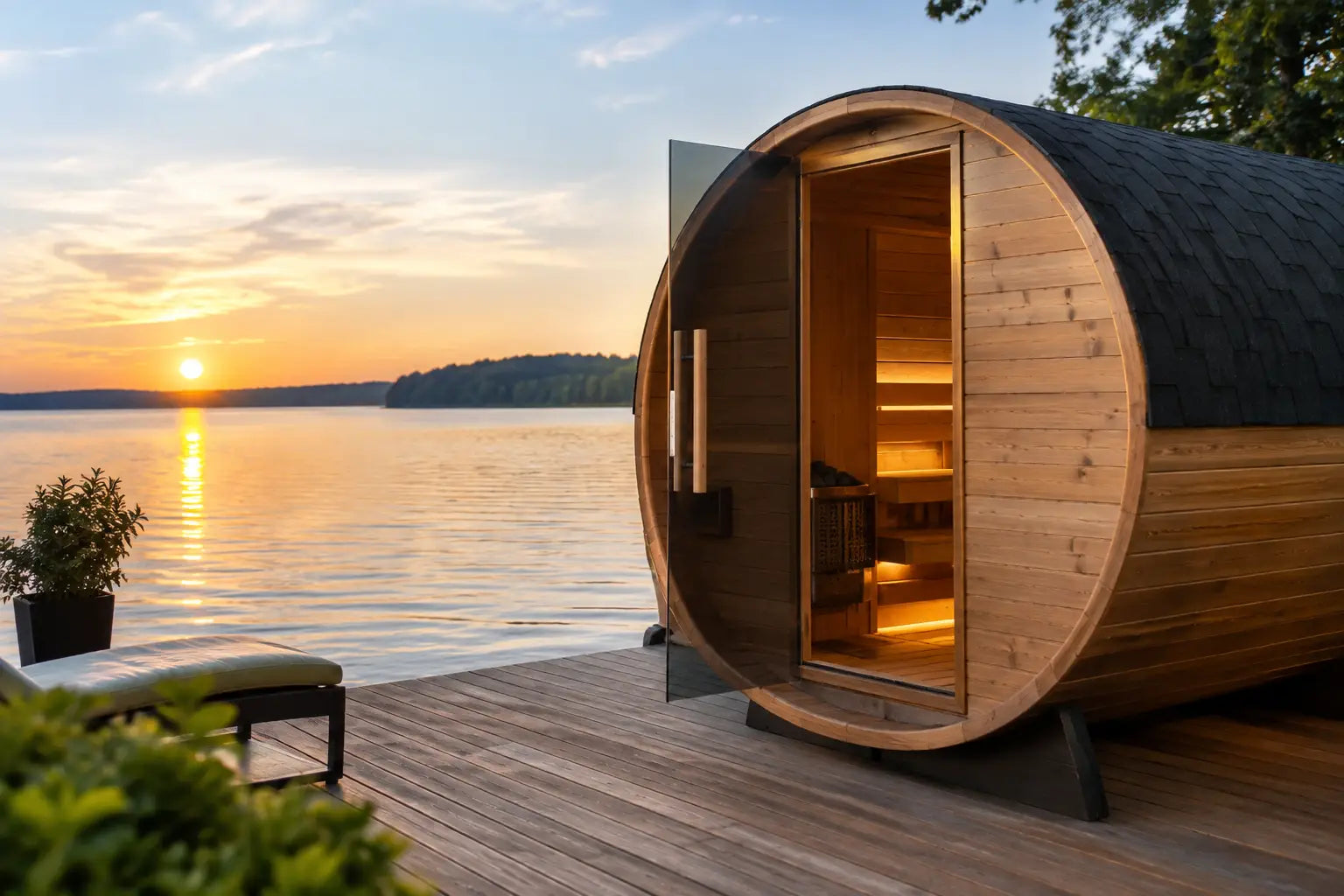
A compelling rental sauna revenue case rarely begins with the sauna itself. It begins with the guest who has saved a listing because it promises a ritual: steam rising through the trees, a quiet place to reset after a hike, and an outdoor stay that feels distinctly more restorative than a standard weekend away. For hosts and property owners, that emotional pull can translate into stronger demand, higher nightly rates, and a more memorable brand.
A sauna is not a shortcut to effortless hospitality revenue. It is a design-forward amenity that must be matched to the property, local market, operating plan, and level of care a host is ready to provide. When those pieces align, it can turn an attractive stay into a destination guests are willing to book, photograph, and return to.
What makes a rental sauna revenue case work
The financial value of a sauna has two dimensions. The first is direct: an owner may be able to command a higher nightly rate or add a clearly defined wellness upgrade. The second is less obvious, but often more durable: a sauna can improve conversion, length of stay, repeat bookings, and guest reviews.
A beautifully designed cabin with a sauna may win a reservation even when competing listings are similarly priced. Guests do not always search for square footage or bed count. They search for an experience. A private sauna can give a compact cottage, glamping dome, mountain retreat, or backyard guest suite a clear point of difference.
This is especially true in places where nature already does part of the storytelling. Think wooded properties, coastal escapes, high-desert landscapes, ski towns, lake cabins, and private wellness retreats. The sauna does not need to compete with the setting. It should make the setting more felt.
The rate premium is only one part of the return
It is tempting to calculate revenue by taking a projected nightly premium and multiplying it by 365. That is not how most vacation rentals perform. Seasonality, weekday demand, local regulations, and the quality of the guest experience all shape occupancy.
A more useful view asks three questions. Can the property charge more on the nights it already books? Can it earn bookings during quieter periods? And can the sauna help the listing convert more viewers into guests?
For example, a well-positioned sauna might support a $50 to $150 nightly premium in a market where guests already value elevated amenities. On a 120-night annual booking calendar, a $100 average premium represents $12,000 in additional gross revenue. But even that figure is incomplete. If the sauna also helps add 15 booked nights in the shoulder season, its value may be much greater than the visible rate increase.
The right premium depends on the property. A modest rental in a warm urban market may benefit more from a cold plunge or outdoor shower than a large sauna. A winter-forward cabin, by contrast, may make the sauna central to its appeal. The strongest investment is the one that feels inevitable in the guest journey.
Build the experience before setting the price
Guests can tell the difference between an amenity added to a listing and a retreat designed with intention. A rental sauna should feel private, easy to reach, safe to use, and visually integrated with its surroundings.
Consider the path a guest takes after arriving. Is there a place to hang towels and robes? Is the route well lit after sunset? Is there a nearby rinse station, cold plunge, outdoor shower, or quiet deck for cooling down? Can guests sit outside with tea and look into the landscape? These details create the kind of stay that earns five-star language, not just five-star ratings.
Materials and placement matter as much as capacity. Natural wood, considered sightlines, and a setting that offers privacy can make the sauna feel like part of the property’s architecture rather than an appliance placed at the edge of a patio. For design-conscious travelers, this distinction is part of the value.
At Tanari Earth, the most compelling outdoor wellness spaces are built around that feeling of retreat. The sauna becomes more desirable when it belongs to a complete ritual of fresh air, stillness, warmth, and rest.
Photograph the ritual, not just the structure
A sauna may be one of the most valuable images in a rental listing, but only if it is photographed with care. Show the exterior in its setting, then reveal the warmth inside. Capture the view from the bench, the robe hook, the wood grain, the evening glow, and the outdoor moment that follows.
Avoid relying on empty product-style images alone. Guests need to understand how the sauna fits into their stay. A set of refined images can help justify the rate before a guest reads a single line of copy.
Your listing description should be equally specific. Mention whether the sauna is private, how it is prepared between stays, whether it is available year-round, and any simple operating guidance guests should expect. Clear expectations protect the experience and reduce avoidable questions.
Estimate revenue with a conservative model
A thoughtful rental sauna revenue case should use a range rather than a single optimistic forecast. Start with the property’s existing annual performance, then model the impact of the sauna at low, expected, and high adoption levels.
For a simple example, imagine a rental that currently books 140 nights a year at an average daily rate of $325. After adding a sauna and refreshing the listing, the host estimates a $75 average rate lift on 100 of those nights. That produces $7,500 in additional gross revenue. If the enhanced experience also generates 20 new nights at a $350 average daily rate, that adds another $7,000.
The projected gross uplift is $14,500, before expenses. This is not a promise that every property will perform this way. It is a starting framework. A host should test the assumptions against comparable high-quality rentals, local demand patterns, and the actual season in which the amenity will be most relevant.
Then subtract the costs that preserve the guest experience: electricity or wood, cleaning time, supplies, repairs, preventive maintenance, insurance considerations, booking-platform fees, and any additional labor required between guests. If a property manager handles operations, confirm whether sauna checks carry an added per-turn fee.
A premium amenity should never be priced solely around installation cost. Its long-term return rests on reliable operation and excellent guest feedback. An out-of-service sauna during a peak holiday weekend can do more harm than a modest rate increase can offset.
Operating details protect both revenue and reputation
Saunas are generally straightforward to operate, but they are not entirely hands-off. The best hosts create simple systems so guests feel cared for without feeling monitored.
Provide a concise welcome guide with startup instructions, safe-use reminders, maximum session guidance, and a contact method for questions. Make expectations clear around children, alcohol, ventilation, and when the sauna should not be used. Depending on the installation and jurisdiction, you may also need signage, electrical inspections, permits, or specific insurance coverage.
Between stays, inspect the heater, controls, door, benches, lighting, and surrounding walkway. Clean and air out the interior according to the manufacturer’s recommendations. In cold-weather markets, check drainage, snow clearance, and safe traction. For wood-fired models, guests may love the ritual, but the host must plan for wood storage, ash management, and more detailed instructions.
Electric saunas often offer greater consistency for short-term rentals, especially when paired with managed controls or a clear preheating routine. Wood-fired saunas can create a more elemental experience, but they demand more attention and may not suit every guest or property. Neither choice is universally better. The right one supports the level of service you want to offer.
Know when a sauna is not the first investment
There are cases where a sauna should wait. If the rental lacks comfortable beds, dependable heating and cooling, clean outdoor access, quality photography, or a well-run turnover process, those basics may produce a better return first.
Likewise, an exposed site without privacy, a market with weak overnight demand, or a property constrained by local rules may make the project less practical. A wellness feature works best when it amplifies a stay guests already want.
For some owners, the smartest first move is not a larger sauna, but a more complete setting around a right-sized one: privacy screening, a cedar deck, soft lighting, an outdoor shower, or a cold plunge. Guests remember the feeling of the whole scene.
A premium amenity with a longer horizon
The strongest rental investments do more than create a one-time bump in rates. They give a property an identity. A sauna can become the reason a couple chooses your cabin for an anniversary, why friends extend a winter weekend, or why a guest returns when life feels too loud.
Build the numbers with restraint, then build the experience with generosity. When warmth, privacy, craftsmanship, and nature come together, the revenue case has something more valuable behind it: a stay guests genuinely do not want to leave.

