
Cart
0
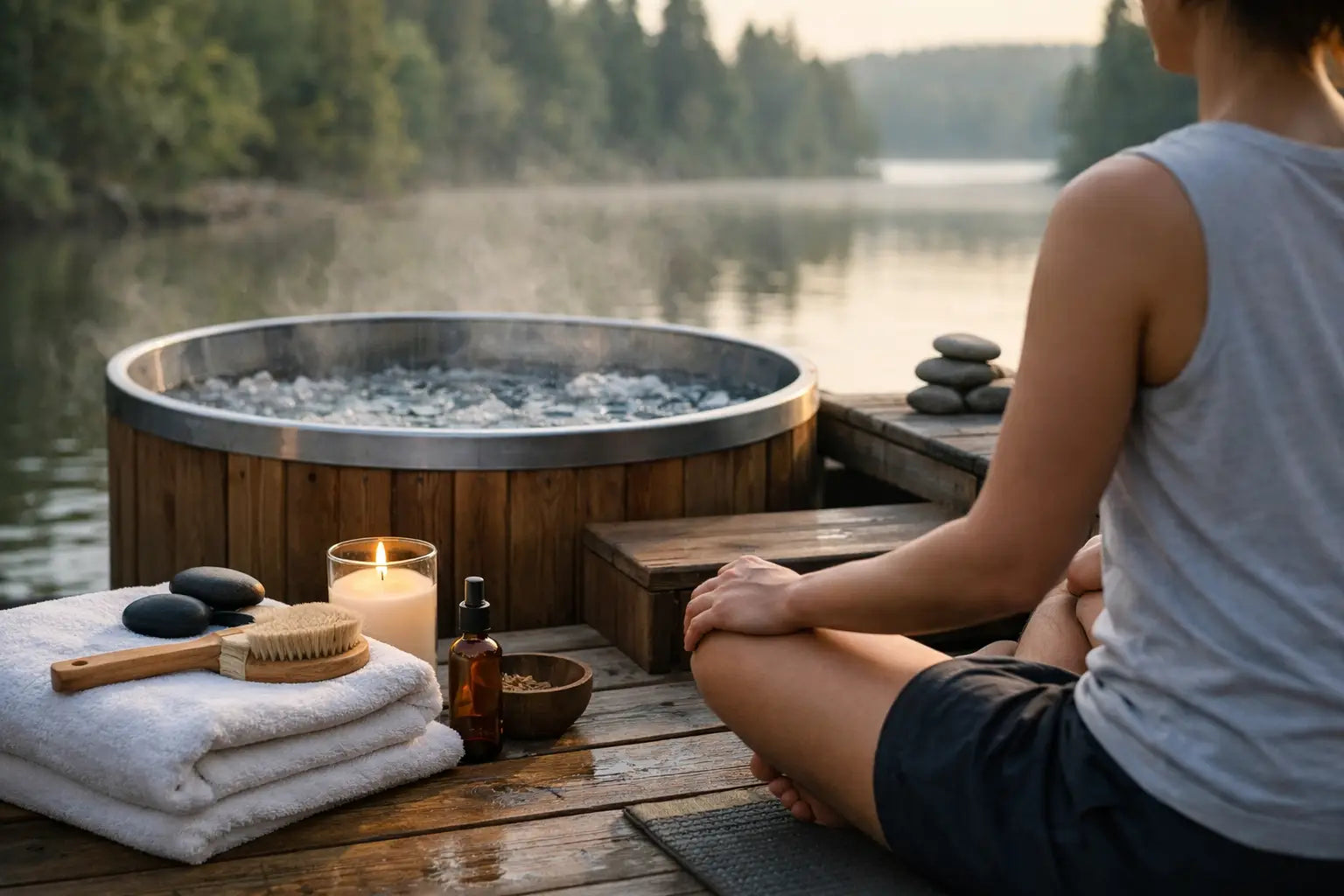
A cold plunge can transform a quiet morning in the garden or the pause after a sauna into a memorable wellness ritual. But the most restorative sessions rarely begin at the water’s edge. Learning how to prepare for cold plunge sessions gives your body time to adjust, helps you make thoughtful choices, and keeps the experience centered on calm rather than endurance.
Cold exposure is personal. The right water temperature, duration, and frequency depend on your health, experience, the weather, and what you hope to get from the practice. Approach it with curiosity, not a need to prove anything.
Begin with a clear, comfortable setting
A well-planned cold plunge area makes it easier to arrive relaxed. Before you step in, prepare the few things you will want afterward: a large dry towel or robe, warm layers, slip-resistant footwear, and a place to sit out of the wind. If your plunge is part of an outdoor oasis, consider the path between the water, sauna, shower, and indoor space. It should be clear, well-lit, and safe to walk when wet.
Privacy matters, too. A screen of planting, a sheltered deck, or the quiet enclosure of a thoughtfully designed wellness space can help turn a challenging moment into a private act of self-care. At Tanari Earth, that sense of setting is part of the ritual: outdoor wellness feels different when natural materials, fresh air, and a considered landscape invite you to slow down.
Check the water before every session. Cold plunge water should be clean and maintained according to the manufacturer’s directions. Know its temperature rather than guessing. Water that is only a few degrees colder can feel dramatically more intense, especially on a cool, windy day.
Check in with your health before you begin
Cold water causes a rapid physiological response. Your breathing may catch, your heart rate can rise, and blood vessels constrict. For many healthy adults, gradual exposure can be an enjoyable practice. It is not appropriate for everyone.
Speak with a qualified healthcare professional before starting if you have heart disease, high blood pressure that is not well controlled, circulation concerns, diabetes with nerve damage, a history of fainting, respiratory conditions, Raynaud’s phenomenon, are pregnant, or take medication that affects blood pressure, heart rate, or temperature regulation. A clinician who knows your health history can offer advice that a general wellness article cannot.
Skip the plunge when you are ill, unusually fatigued, dehydrated, or recovering from a night of poor sleep. Avoid cold water after alcohol or recreational drug use. These conditions can impair judgment and make it harder to recognize your body’s signals.
Never plunge alone, particularly as a beginner. Have another adult nearby, and make sure everyone knows how to help you exit the water safely. Cold water is not the place for breath-holding contests, underwater submersion, or hyperventilation. Keep your face above water and your breathing steady.
How to prepare for cold plunge with food, water, and timing
You do not need an elaborate pre-plunge routine, but basic preparation changes the experience. Drink water throughout the day rather than trying to quickly hydrate at the last minute. If you have just completed a long workout, spent time in a sauna, or been outdoors in heat, give yourself a few minutes to cool down and rehydrate before entering cold water.
Avoid plunging when you are either very hungry or overly full. A light meal or snack earlier in the day generally feels more comfortable than entering immediately after a heavy dinner. Notice what works for your body over time.
Timing is a matter of preference and purpose. Some people enjoy a brief morning immersion for a crisp, alert beginning. Others prefer it after strength training, a sauna session, or a long day spent at a desk. If you are using cold exposure after exercise, remember that the ideal timing can depend on your training goals. Frequent immediate cold immersion may not suit every muscle-building program, so athletes with specific performance goals may want guidance from a coach or sports medicine professional.
Set a modest first session
The most common mistake is treating the first plunge as a test of toughness. A better goal is to leave the water feeling capable, clear, and eager to return another day.
For beginners, water in the upper 50s to low 60s Fahrenheit may offer a more approachable introduction than near-freezing water. Start with 15 to 30 seconds, then get out, warm up, and observe how you feel. You can build gradually across several sessions. Some experienced users spend longer in colder water, but more is not automatically better.
Set your intention before you enter. It may be as simple as, “I am here to breathe and stay present.” Decide in advance that you will exit if you feel chest pain, dizziness, confusion, panic that does not settle, numbness that concerns you, or shivering that becomes severe. A timer is useful, but your physical cues matter more than the clock.
Use breath to meet the cold response
The first few seconds are often the most intense because the body’s cold-shock response can trigger quick, shallow breathing. Enter slowly and with control. You might step in to waist level, pause, then lower yourself to a depth that feels manageable. There is no requirement to submerge your shoulders on day one.
Once in the water, keep your jaw unclenched and your gaze soft. Focus on a gentle inhale through the nose, followed by a longer, unforced exhale. Counting can help: inhale for three, exhale for five. Do not force deep breaths or attempt advanced breathing exercises in the water.
The goal is not to eliminate discomfort. It is to show your nervous system that you can stay composed inside it. If your breath refuses to settle, that is useful information. Step out, dry off, and try a shorter session another time.
Pair sauna and cold water thoughtfully
A sauna-to-plunge circuit can be one of the most satisfying ways to enjoy an outdoor wellness space. The warmth softens the muscles and encourages a slower pace; the cold water creates a vivid contrast. Still, contrast therapy asks more of the cardiovascular system than either experience alone.
Keep the first rounds restrained. After a sauna, sit for a moment, drink water if needed, and let your heart rate settle before the plunge. A brief cool immersion is enough. Then warm up gradually with a robe, dry clothing, a warm shower, gentle walking, or another moderate sauna round if you feel well.
Avoid swinging between extremes simply to chase intensity. On very hot days, after strenuous exercise, or when you are new to both sauna and cold exposure, a gentler temperature contrast is often the more enjoyable choice. The best ritual should leave you restored, not depleted.
Warm up naturally after you exit
Your cold plunge does not end the moment you step out. Dry off promptly, put on warm layers, and allow your body to rewarm at its own pace. Gentle movement, such as walking around the property or doing easy mobility work, can be more comfortable than immediately jumping into a very hot shower.
Pay attention to aftereffects. Mild shivering for a short period can be normal, but persistent uncontrollable shivering, confusion, extreme drowsiness, clumsiness, or skin that looks pale, gray, or bluish are signs to get warm and seek medical attention when appropriate. The same applies to any chest discomfort or trouble breathing.
A warm drink, a nourishing meal, and a few quiet minutes outdoors can make the recovery portion feel as intentional as the plunge itself. This is where a luxury wellness ritual earns its place in daily life: not as another demand on your schedule, but as a deliberate transition back into yourself.
Build consistency instead of chasing extremes
Keep a simple note of your sessions: water temperature, time in the water, how your breathing felt, and how you felt an hour later. Patterns will emerge. You may discover that a 45-second plunge at a moderate temperature feels better than two difficult minutes, or that you prefer three sessions per week instead of every morning.
Consistency also supports safer progress. Change only one variable at a time: a slightly colder temperature, a little more time, or an additional session in the week. Do not increase all three at once. If a session leaves you drained, anxious, or unable to get warm comfortably, scale back.
Over time, let the ritual remain spacious. Step outside, feel the air on your skin, take a measured breath, and enter only when your body and mind both say yes. That is how cold water becomes less of a challenge to conquer and more of a place to return to.

