
Cart
0
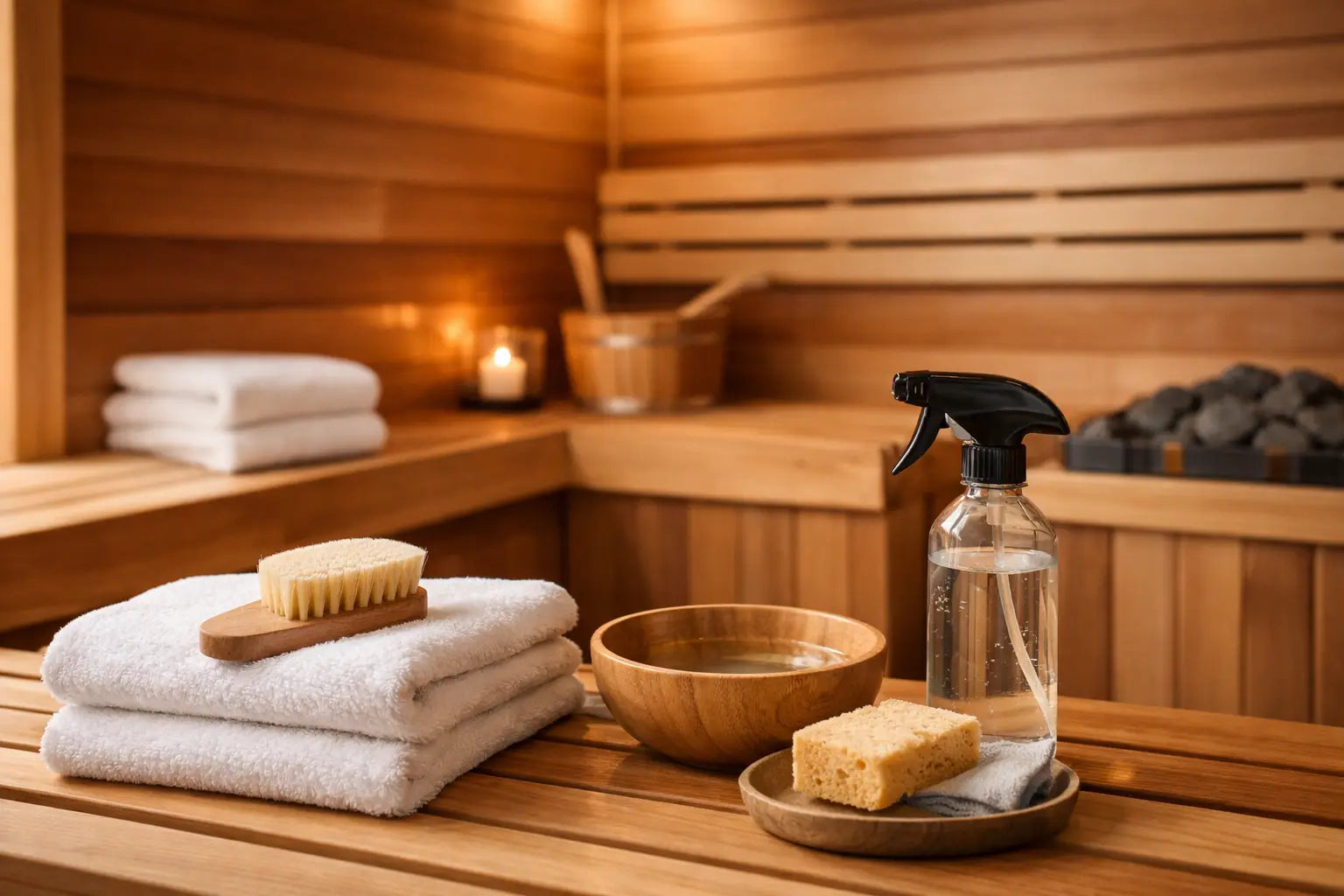
A cedar sauna should feel like the quietest room on your property: warm wood underfoot, a soft cedar scent in the air, and nothing competing with the ritual of slowing down. Knowing how to maintain a cedar sauna protects that feeling. The goal is not to make the wood look glossy or new. It is to keep the space clean, dry, safe, and naturally beautiful enough to invite you back week after week.
Cedar is a thoughtful choice for an outdoor wellness retreat. It is naturally resistant to moisture and decay, holds up well through changing temperatures, and brings a warm, refined character that suits a nature-centered setting. Still, even exceptional materials benefit from a little attention. A simple maintenance rhythm will preserve the wood, support the performance of your heater, and help your sauna remain a restorative part of your outdoor oasis for years.
Start With the Right Cedar Sauna Routine
The most effective sauna care happens in small moments, not in an annual deep-cleaning marathon. After each session, remove towels, robes, water bottles, and anything else that holds moisture against the benches or floor. If water has splashed onto the floor, use a clean towel or a soft squeegee to move excess moisture toward the drain or doorway.
Then leave the sauna open to breathe. Keep the door ajar and, where appropriate for your design, open vents after the heater is off. Fresh air allows the interior to dry thoroughly and prevents the stale, damp conditions that can lead to odors or surface mildew. This is especially valuable for outdoor saunas used during rainy seasons or on properties with dense tree cover and limited airflow.
You do not need to scrub the cedar after every use. A quick wipe of any visible perspiration or water marks with a clean, damp cloth is enough. Let the wood dry naturally afterward. The aim is gentle consistency, not over-cleaning.
Clean the Interior Without Disturbing the Wood
Cedar has natural oils and a finely textured surface. Harsh cleaners, strong fragrances, bleach, and abrasive pads can strip that character away, leave behind unwanted chemical residue, or roughen the wood. In a space designed for heat, breathing deeply, and restoration, simple cleaning is the more elegant approach.
For regular care, use warm water and a soft cloth. If the benches need more attention, lightly scrub with a soft-bristle brush and a mild, sauna-safe cleaner. Always test a small, less visible area first, particularly if your sauna has a light-colored or unfinished interior. Follow with a clean-water wipe so no cleaner remains on the surface.
A few practical boundaries keep the interior in excellent condition:
- Avoid pressure washing inside the sauna. It can force water into joints and leave cedar overly saturated.
- Do not use furniture polish, varnish, or oil on interior benches and walls. These finishes can become hot, alter the wood's natural breathability, and create odors when heated.
- Skip chlorine-based products and heavily scented household sprays. They are unnecessarily aggressive for cedar and do not belong in a heat-focused wellness space.
- Use clean towels on the benches during each session. This is one of the easiest ways to reduce body oils, skincare residue, and staining over time.
If a bench develops a rough patch, very light hand-sanding with fine-grit sandpaper can restore a smooth touch. Sand only the affected area, move with the grain, and remove all dust before using the sauna again. This is a targeted fix, not a routine requirement.
Keep the Heater, Stones, and Ventilation Working Together
A sauna's atmosphere depends as much on air movement and heat performance as it does on cedar. Check the heater area regularly for leaves, dust, lint, or small debris, particularly in an outdoor sauna near landscaping. Keep the area around the heater clear, and never place towels, buckets, or decorative items where they could interfere with safe operation.
If your electric sauna heater uses stones, inspect them several times a year. Sauna stones can crack after repeated heating and cooling cycles. Remove any pieces that have become noticeably fractured or crumbly, and restack the remaining stones loosely enough for air to circulate. Packing them too tightly may reduce airflow and put unnecessary strain on the heater.
Follow the heater manufacturer's instructions for stone type, electrical inspection, and recommended servicing. A licensed electrician should address damaged wiring, tripped breakers that recur, unusual heater behavior, or any question involving the electrical connection. A premium retreat should feel effortless, but safe operation always comes before convenience.
Ventilation deserves equal attention. Confirm that intake and exhaust vents are unobstructed, inside and outside the structure. If your sauna begins to feel stuffy, takes a long time to dry, or develops a persistent musty scent, ventilation is often the first place to look. The remedy may be as simple as clearing outdoor debris or adjusting your post-session airing routine.
Care for the Exterior as Part of Your Landscape
The exterior of a cedar sauna lives in conversation with the elements. Sun can gently silver unfinished cedar. Rain, snow, pollen, and coastal air can create more visible weathering. None of this is necessarily a problem. Some owners love a soft, weathered patina because it helps the sauna settle naturally into a garden, woodland, or glamping setting. Others prefer to retain cedar's warmer original tone.
The right exterior treatment depends on the look you want, your climate, and the recommendations for your specific sauna. If you want to preserve the wood's color, use a high-quality exterior wood protectant designed for cedar and rated for your local conditions. Choose a product with UV protection and water resistance, and apply it only to exterior surfaces. Never carry that finish into the heated interior.
Before applying any treatment, make sure the wood is clean and fully dry. Work during a stretch of mild, dry weather, and test the product in an inconspicuous area first. Even clear finishes can deepen cedar's color. Reapply on the schedule suggested by the manufacturer, but let the condition of the wood guide you. A sunny, exposed installation may need attention sooner than a sauna sheltered beneath a roofline.
Keep vegetation, mulch, and soil from resting directly against the exterior walls. Trim branches that continually brush the structure and clear leaves from the roof, foundation area, and around vents. These small details improve airflow and help protect the sauna's clean architectural lines.
Seasonal Cedar Sauna Maintenance
A seasonal walk-around is a calm, worthwhile ritual, especially before the first cool-weather sauna season. Look over the roof, door, windows, handles, exterior cladding, and foundation or platform. Check for loose fasteners, worn weatherstripping, roof debris, or signs that water is not draining away from the structure.
In colder climates, be especially mindful of water. Drain and store buckets or accessories when freezing temperatures are expected. If your sauna includes plumbing, lighting, or integrated controls that may be affected by winter conditions, follow the equipment-specific winterization guidance. Never assume every outdoor sauna is prepared for the same weather exposure.
During humid summers, make ventilation a priority. More frequent use may call for a quick weekly bench wipe and floor cleaning, while a rarely used sauna may need extra airing before a session. Frequency matters less than dryness. Cedar performs beautifully when it has the chance to fully dry between uses.
Address Stains and Odors Early
A faint cedar aroma is part of the experience. A sour, musty, or chemical smell is not. If an odor appears, begin by airing out the sauna thoroughly and cleaning the benches and floor with warm water and a mild sauna-safe solution. Check under removable floor mats, around the heater, and near vents for trapped debris or lingering moisture.
For isolated dark spots, use a gentle cedar-appropriate cleaner according to its directions, then allow the area to dry completely. If spotting returns, spreads, or appears to originate behind wall panels, consult a qualified sauna professional. Surface cleaning will not solve a moisture issue within the structure.
The same principle applies to stains. Treat them early, use the mildest effective method, and avoid turning a small mark into a large pale patch through aggressive sanding or chemicals. Cedar's natural variation is part of its appeal. A little honest character does not diminish the experience.
Let Care Support the Ritual
The best cedar sauna maintenance is nearly invisible. It is the towel placed on a bench, the door left open after a session, the seasonal check before guests arrive for a weekend retreat. These habits protect more than wood and equipment. They preserve the sense of calm that makes a sauna such a meaningful addition to an intentional outdoor life.
At Tanari Earth, we believe a well-kept sauna should continue to feel like an invitation to spend more time relaxing in nature. Give the cedar air, gentle care, and respect for its material character, and it will keep offering a beautiful place to warm up, reset, and return to yourself.

