
Cart
0
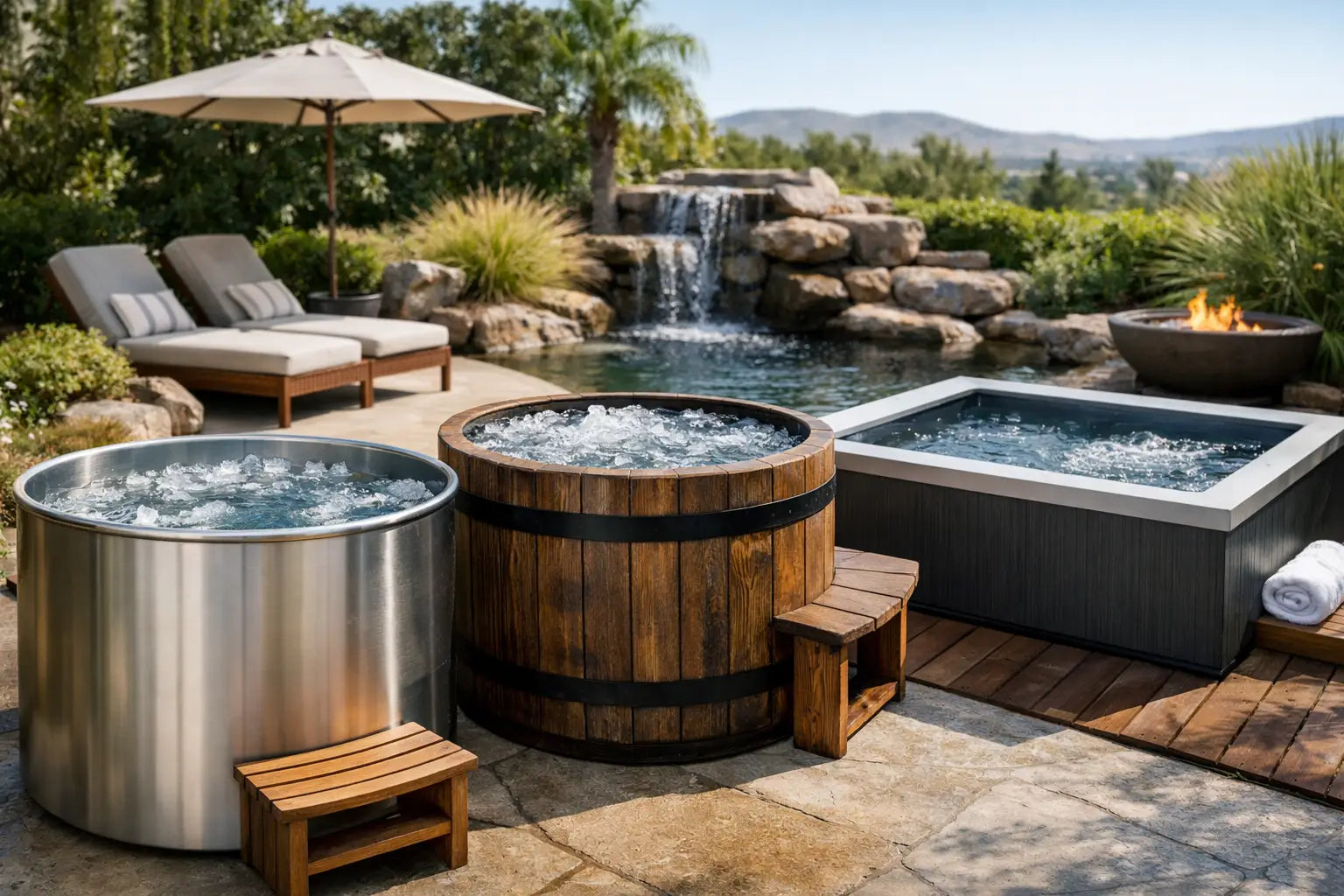
A cold plunge changes the feeling of an outdoor space before you ever step into it. Beside a cedar sauna, beneath a canopy of trees, or on a quiet stone terrace, it creates a ritual with a clear beginning and end: warm up, cool down, breathe, and return to the day feeling more present. The best outdoor cold plunges do more than deliver cold water. They make that ritual easy to repeat, beautiful to live with, and comfortable to maintain through every season.
For a home, retreat property, or elevated guest stay, the right choice is rarely about finding the coldest water at the lowest price. It is about matching the plunge to your climate, design preferences, intended use, and willingness to manage water care. A handsome tub that becomes difficult to clean will not support a lasting practice. A powerful chiller that overwhelms a small garden can feel equally out of place.
What the Best Outdoor Cold Plunges Have in Common
The most successful outdoor plunges balance performance with a sense of permanence. They are properly insulated, thoughtfully sized, and made from materials that can withstand sun, moisture, changing temperatures, and frequent use. They also fit naturally into the landscape rather than looking like an afterthought on the patio.
Temperature control is often the defining feature. A basic ice bath can be refreshing, but it requires planning, ice purchases, and regular draining. A plunge with an integrated or compatible chiller offers a more consistent experience, particularly for households that want to use it several times a week. In warm climates, a chiller is less of a luxury than a practical necessity. In colder regions, it gives you precision during mild seasons and may include freeze-protection features for winter operation.
Water quality matters just as much. Look for a system with circulation and filtration, plus a water-care approach you feel comfortable maintaining. Some owners prefer ozone or UV sanitation in addition to a measured water treatment routine. These features do not eliminate maintenance, but they can reduce the frequency of full water changes and help keep the plunge clear between uses.
Finally, consider the physical experience. The water may be cold, but entry should feel secure. A stable rim, nonslip step, sensible depth, and enough room to sit in a relaxed, upright position can make a significant difference. The best design is one that invites use without demanding a dramatic leap of faith each morning.
Four Types of Outdoor Cold Plunges to Consider
Insulated ice bath tubs
An insulated tub is the most direct route to cold exposure outdoors. Many are made from durable composite materials, polyethylene, or stainless steel, with a lid to slow temperature change and keep out leaves. They have a clean, uncomplicated appeal and can work beautifully in a compact courtyard, beside a pool, or near a sauna deck.
This option is best for occasional users, people in naturally cold climates, or anyone who enjoys a lower-tech ritual. The trade-off is that you will need to add ice or rely on winter temperatures, and you will likely change the water more often. Choose a well-insulated model if you want ice to last longer during warmer months.
Chiller-connected plunge tubs
For frequent use, a dedicated tub paired with an external chiller is often the sweet spot. The tub itself can be compact and design-forward, while the equipment sits nearby in a ventilated, discreet location. This setup gives you reliable temperature control without requiring a large, spa-style footprint.
Pay close attention to the placement of the chiller. It needs airflow, weather protection appropriate to its rating, and convenient access for servicing. The equipment also creates some sound, so consider the distance from bedrooms, outdoor dining areas, and neighboring properties. A thoughtful screen of planting or custom millwork can soften its presence while preserving necessary clearance.
All-in-one temperature-controlled systems
All-in-one units place the tub, cooling system, filtration, and controls in a single designed package. For homeowners who want a refined installation with fewer separate components, they can be an excellent fit. They are especially appealing for rental properties, where intuitive operation and dependable water management can make guest use simpler.
These systems usually require a larger investment and may need a dedicated electrical circuit. Still, their convenience can be worthwhile when cold plunging is part of a daily wellness rhythm. If you envision stepping from sauna heat into chilled water at sunrise, a ready-to-use system removes the friction that often interrupts good intentions.
Stock-tank-inspired and custom-built plunges
A stock-tank-inspired plunge can bring a relaxed, rustic character to a garden or cabin setting. Custom-built designs, meanwhile, offer the greatest freedom in scale, materials, and placement. A stone-lined basin, cedar-clad tub, or plunge integrated into a larger terrace can become a defining feature of the landscape.
Custom work demands careful planning. Waterproofing, drainage, insulation, mechanical access, and code requirements all need to be resolved before the finishes are selected. This route is ideal when the plunge is part of a broader outdoor wellness project, perhaps with a sauna, shower, lounge area, and changing space. It is less ideal if you want a quick, movable solution.
How to Choose the Right Size and Placement
A plunge should feel private enough for a personal ritual and accessible enough that you will use it. Begin by mapping the journey, not just the footprint. Where will you change? Where will you place a towel? How far is the walk from the sauna or indoor bath? Is there a sheltered place to stand after your session?
For one or two users, a compact upright or seated tub is usually sufficient and more efficient to cool. A longer, larger vessel can be more comfortable for taller people or couples, but every added gallon affects cooling time, water treatment, and operating cost. Bigger is not automatically better.
Placement should also account for the elements. Partial shade can help reduce heat gain and make the water easier to maintain in summer, though dense tree cover may add leaves and debris. A level, stable surface is essential. Concrete, pavers, and properly engineered decks are common choices, but confirm the loaded weight of the unit, water, and occupants before installation.
Privacy deserves the same attention as plumbing and power. Slatted screens, native grasses, sculptural planting, and a well-positioned outdoor shower can create a sense of enclosure without closing off the landscape. At Tanari Earth, this is the difference between adding a wellness product and shaping an outdoor retreat.
The Details That Make Ownership Easier
A beautiful plunge earns its place when maintenance feels manageable. Before purchasing, ask how often the water needs to be changed, what filter replacements cost, whether the cover is included, and how the system performs in your local climate. Read the electrical requirements carefully. Some models plug into a standard outlet, while others require professional installation and dedicated power.
Drainage is another detail that is easy to overlook. You will eventually empty the tub, and that water needs a responsible path away from foundations, neighboring properties, and sensitive landscaping. Local rules may affect where treated water can be discharged. A nearby hose connection and a planned drain location will make routine care far less cumbersome.
If the plunge will serve guests, simplicity matters even more. Clear controls, a secure cover, safe entry, and a concise care routine protect both the experience and the investment. Consider whether the system can be monitored remotely, especially at a vacation property where changing weather can affect operation.
Pairing a Cold Plunge With a Sauna Ritual
Cold plunging is often most compelling as part of contrast therapy. The warmth of a sauna encourages you to slow down; the cold water sharpens the senses; a quiet rest afterward allows the experience to settle. You do not need an elaborate schedule to enjoy that rhythm. A few unhurried rounds, guided by how you feel, can turn an ordinary evening into a restorative reset.
For an outdoor setup, create a small transition zone between heat and cold. Add a bench, hooks for robes, soft lighting, and a place to set water or tea. Natural materials such as cedar, stone, and linen help the space feel calm without being overly styled. The goal is not to build a spa replica. It is to make a setting you genuinely want to return to.
Cold exposure is not appropriate for everyone. People with cardiovascular conditions, circulation concerns, pregnancy, or other health considerations should speak with a qualified healthcare professional before beginning. Start gradually, avoid plunging alone, and let comfort and safety guide the ritual rather than treating endurance as the point.
The right outdoor cold plunge should feel like an invitation, not another piece of equipment to manage. Choose one that suits your climate and habits, give it a considered place in the landscape, and leave room around it for the pause that follows.

