
Cart
0
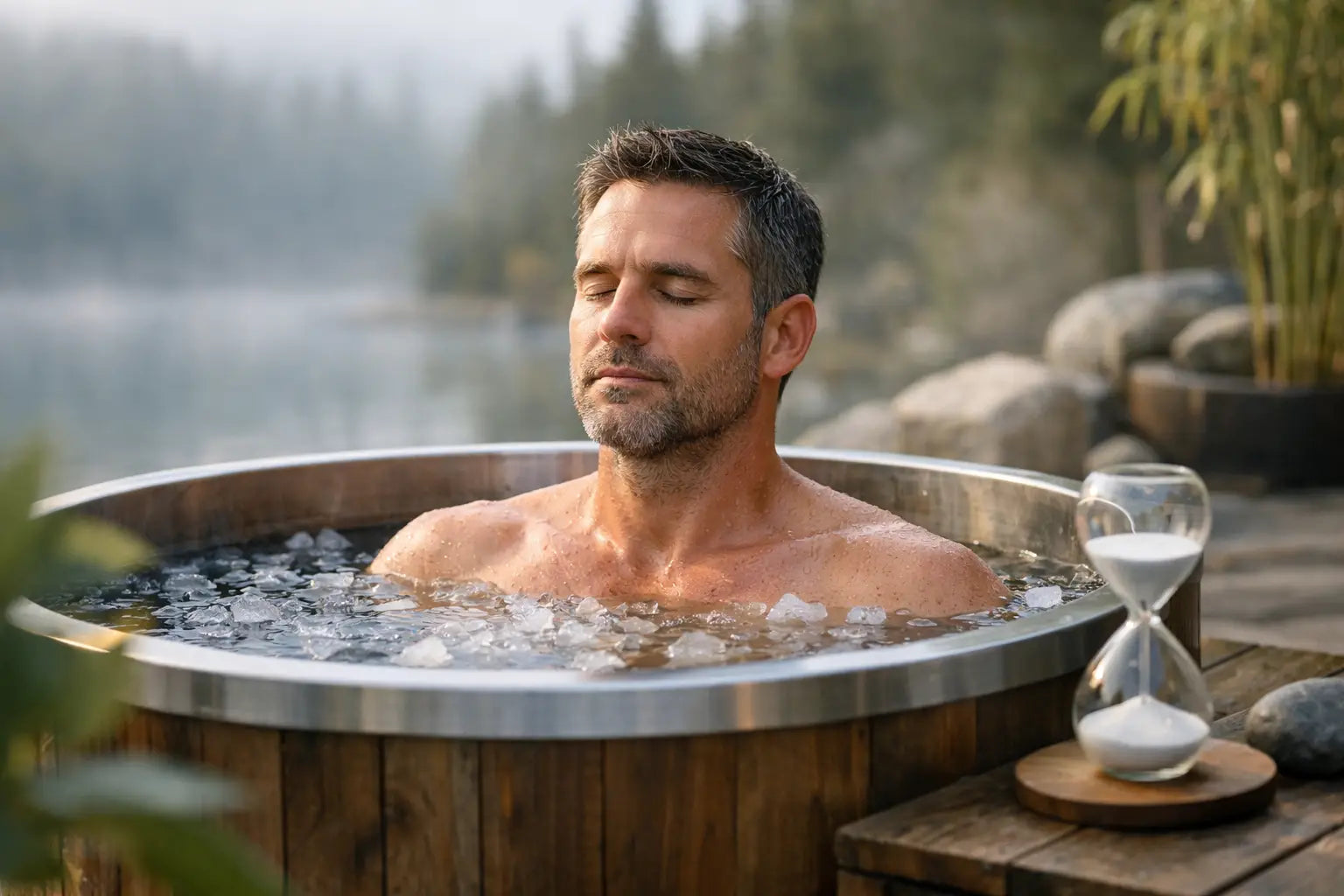
The first minute is often the loudest. Your breath catches, your skin wakes up, and the mind wants to negotiate its way back to a warm towel. So, how long should cold plunge last? For most healthy adults, a short, controlled immersion of one to three minutes is a sensible place to begin. With experience, some people comfortably work toward three to five minutes, depending on water temperature, health history, and how their body responds.
A cold plunge is not a test of toughness. It is a sensory ritual: cool water, slow breathing, open air, then the steady return of warmth. The most restorative practice is usually the one you can repeat without dread, discomfort that lingers, or pressure to stay in longer than your body is prepared for.
How Long Should a Cold Plunge Last for Beginners?
If you are new to cold exposure, begin with 30 seconds to one minute in water around 50 to 59 degrees Fahrenheit. This is enough time to feel the intensity of the experience while learning how to settle your breath and stay present. Complete a few sessions at this level before adding time.
When that initial window feels manageable, increase gradually toward two or three minutes. There is no prize for making dramatic jumps. A calm, consistent two-minute plunge several times a week can be more valuable than an occasional, white-knuckled five-minute effort.
Water temperature changes the equation. At 55 degrees, two minutes may feel challenging but approachable for many beginners. At 40 degrees, even 30 to 60 seconds can be significant. Colder water does not require longer immersion to create a meaningful experience. In fact, the colder the water, the more conservative your time should be.
A useful rule is to leave the water feeling energized and composed rather than numb, shaky, or depleted. You should be able to warm up naturally afterward, with dry layers, a gentle walk, or time in a warm outdoor lounge setting. Avoid treating a hot sauna as an emergency fix for an overly long plunge. The goal is intentional contrast, not pushing your system into distress.
A Practical Cold Plunge Timing Guide
For a water temperature of roughly 50 to 59 degrees Fahrenheit, 30 seconds to three minutes is a common range for newer plungers. At 40 to 49 degrees, many people choose one to three minutes, while beginners may stay closer to the lower end. Water below 40 degrees deserves greater caution, especially without prior experience or professional guidance.
More experienced cold plungers may choose three to five minutes in moderate cold water. Beyond that point, longer is not automatically better. Research and personal reports around cold exposure vary, and the benefits people seek - a clearer head, a sense of calm, post-workout refreshment, or a ritual that marks the end of the day - do not depend on enduring maximum discomfort.
Rather than watching the clock with a competitive mindset, use it as a safety boundary. Set a timer before entering. Focus on slow nasal breathing if comfortable, relaxed shoulders, and an unhurried exit. If you cannot regain control of your breathing after the first 15 to 30 seconds, get out. That is useful information, not a failure.
Let Temperature, Purpose, and Experience Set the Pace
The right duration is personal, but it should never be arbitrary. Three factors matter most: the temperature of the water, your familiarity with cold exposure, and why you are plunging in the first place.
For a morning reset, a brief one- to two-minute immersion may be all you want. It can create a clean transition between sleep and the day ahead without turning your schedule into an endurance event. For an evening ritual after a sauna, a shorter cold dip can offer an invigorating contrast before you rest, especially if you prefer a slower, more grounding wind-down.
Athletes sometimes use cold water after intense training because it feels soothing on tired muscles. Yet regular, prolonged cold immersion immediately after every strength session may not suit every training goal, particularly if building muscle is the priority. If recovery and performance are central to your routine, consider the timing of your plunge as thoughtfully as its duration.
Your setting matters, too. A private outdoor retreat makes it easier to move at your own pace. You can step out into fresh air, wrap up in a robe, sit near a heat source, and let the experience unfold without the pressure of a busy spa clock. That sense of ease is part of what makes a home wellness space worth creating.
Signs You Have Stayed In Too Long
Cold discomfort is expected. Numbness, pain, confusion, loss of coordination, or prolonged uncontrollable shivering are not signals to ignore. Exit the water immediately if you experience dizziness, chest pain, shortness of breath beyond the first cold-shock response, or a feeling that something is not right.
Afterward, your body should steadily rewarm. Dry off, put on warm clothing, and give yourself time. Gentle movement is often more comfortable than a scalding shower, which can feel unpleasant against cold skin. Do not drive or take on demanding tasks until you feel fully warm, steady, and alert.
Never cold plunge alone if you are inexperienced, using very cold water, or uncertain about your health. Alcohol and recreational substances do not belong in the ritual, as they can dull awareness and make it harder to recognize warning signs. A beautiful outdoor plunge pool should feel like an invitation to presence, not a place to take unnecessary risks.
Who Should Speak With a Clinician First?
Cold exposure places an immediate demand on the cardiovascular and respiratory systems. People with heart disease, high blood pressure, circulation concerns, a history of fainting, Raynaud's phenomenon, diabetes with nerve complications, breathing conditions, or pregnancy should ask a qualified clinician whether cold plunging is appropriate for them.
The same goes for anyone taking medication that affects blood pressure, heart rate, or temperature regulation. A cold plunge can be a wonderful addition to a wellness routine, but it is not universally suitable. Thoughtful restraint is part of caring for yourself.
Children should not use a cold plunge without specific medical guidance and close supervision. For adults, avoid entering the water when ill, exhausted, dehydrated, or recovering from an injury that affects balance or sensation.
Build a Ritual You Will Want to Return To
The most compelling cold plunge practice is rarely the longest one. It is the one with a rhythm: a few quiet breaths before you enter, a timer set with care, clean towels within reach, and a warm place to rest afterward. Pair it with a sauna session if that feels good to you, or let it stand alone beneath the trees on a crisp morning.
Start conservatively and keep a simple mental note of what changes: water temperature, time in the water, breathing, mood, and how long it takes to feel warm again. Over several weeks, your own pattern becomes clearer. You may find that 90 seconds is your ideal reset, or that three minutes feels right only on certain days.
In an outdoor oasis, wellness is not measured by how much discomfort you can tolerate. It is measured by whether the space helps you slow down, reconnect with your body, and spend more time restoring in nature.

