
Cart
0
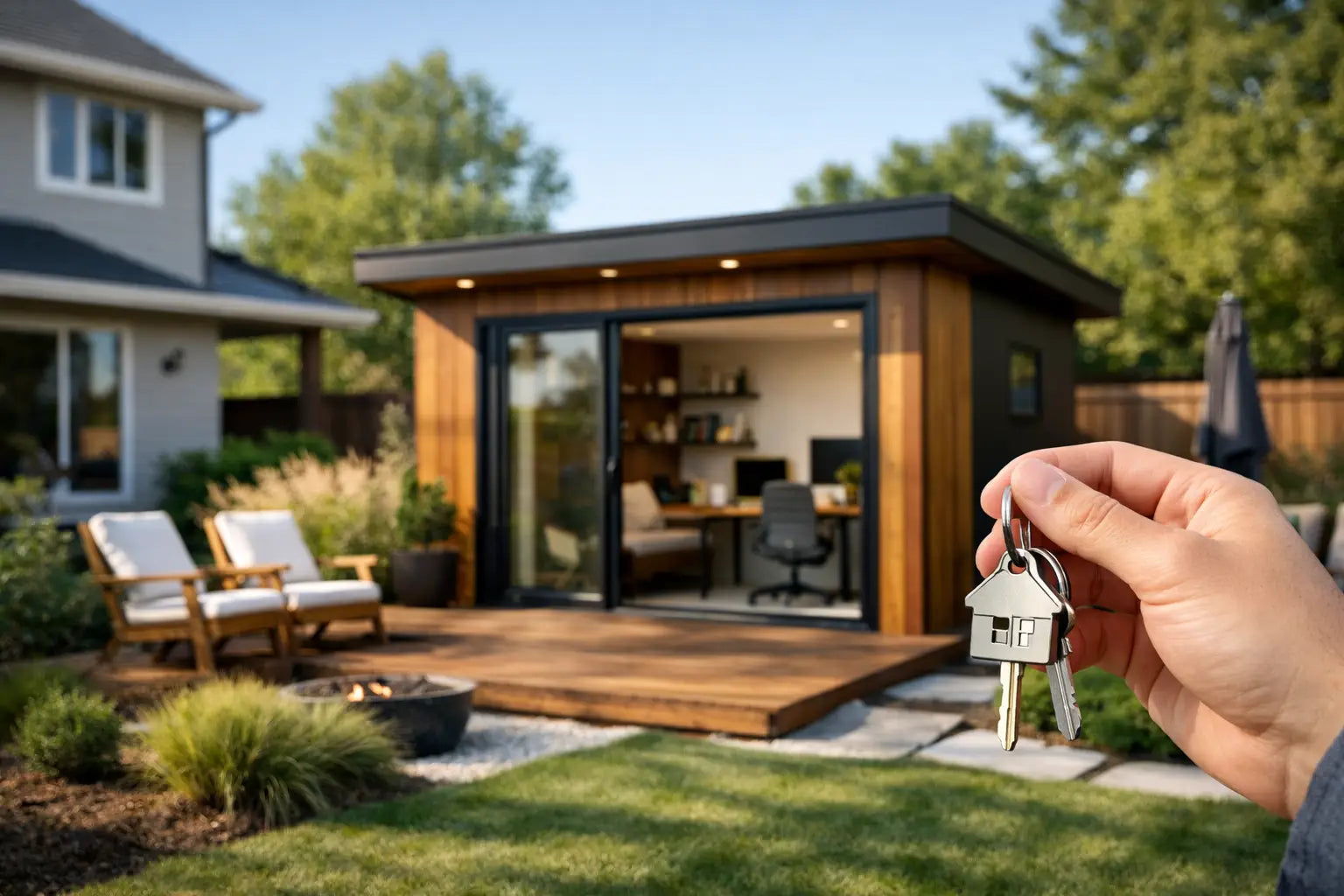
A quiet room at the edge of the garden can change how a property feels long before it changes what an appraiser writes down. But can backyard studios add home value? Often, yes - when the structure is legal, useful, well-built, and thoughtfully connected to the home’s overall character. A rushed, undersized shed with questionable wiring is a different proposition than a beautifully finished studio that gives daily life more room to breathe.
For design-conscious homeowners, a backyard studio can be both a personal retreat and a strategic property improvement. The strongest projects do not chase resale value alone. They create a space people genuinely want to use: a sunlit office, an art room, a guest suite, a movement studio, or a wellness sanctuary beside the sauna and cold plunge. That real usefulness is what makes future buyers take notice.
Can Backyard Studios Add Home Value in Practice?
A backyard studio can support home value in two related, but distinct, ways. First, it may contribute to an appraiser’s view of the property, particularly when it is permitted, finished to a high standard, and comparable homes in the area offer similar flexible space. Second, and sometimes more powerfully, it can make a home more desirable to buyers.
Those outcomes are not always equal. A buyer may happily pay more for a serene detached office, while an appraisal may not treat the building as the same kind of square footage as the main residence. This is especially common when the studio is not a legal accessory dwelling unit, does not have a bathroom or kitchen, or is not considered conditioned living area under local appraisal conventions.
Think of the studio as an amenity with a purpose. In a market where remote work, multigenerational hosting, creative pursuits, and wellness rituals all compete for room inside the house, a separate finished space can set a property apart. It also preserves the emotional appeal of the main home. Work calls, fitness equipment, and visiting guests no longer have to occupy the dining room or a bedroom.
The Difference Between a Studio and an ADU
The word studio can describe many things, from a simple insulated backyard room to a fully permitted accessory dwelling unit, or ADU. The distinction matters because it influences cost, flexibility, and potential resale treatment.
A detached studio is typically designed for a single primary use such as an office, yoga room, art space, or garden lounge. It may include electricity, heating and cooling, built-in storage, and large doors or windows that open toward the landscape. Without a kitchen and full bath, it usually remains an accessory structure rather than an independent residence.
An ADU is designed for habitation and generally includes sleeping space, a bathroom, and cooking facilities. It can offer stronger income potential through long-term rental or guest use where local rules allow it. It can also cost substantially more because of plumbing, utility upgrades, code requirements, site work, and permitting.
Neither choice is inherently better. A studio can be the more elegant solution for a homeowner who wants a dedicated creative or wellness space without the operational complexity of a second dwelling. An ADU may make more sense where housing demand is high and a legal rental unit aligns with the property’s long-term plan. Before deciding, review local zoning, lot coverage limits, setbacks, parking rules, and any homeowners association restrictions.
What Makes a Backyard Studio Valuable to Buyers
The best studios feel intentional from the first approach. Their value is not only in their footprint, but in the ease and pleasure of using them.
A use that feels immediately clear
Buyers should be able to picture themselves in the space within seconds. A refined desk wall and strong internet connection signal a private office. Durable flooring, open floor area, and soft lighting suggest a movement or meditation room. A small lounge, thoughtful ventilation, and a garden view can make a studio feel like part of a complete outdoor wellness setting.
Flexibility is equally valuable. Built-in features should support a purpose without making the room difficult to adapt. A studio that can serve as an office today, a guest retreat tomorrow, and a creative room later has broader appeal than one built around a very narrow hobby.
Construction that belongs with the home
A backyard building should look like a deliberate part of the property, not a temporary add-on. Materials, rooflines, exterior colors, window proportions, pathways, and landscape planting all shape that impression. Natural wood, warm lighting, and a carefully framed garden view can bring a sense of calm while complementing a more contemporary or traditional residence.
Inside, comfort matters. Insulation, quality windows, efficient climate control, moisture management, and acoustic privacy turn a beautiful structure into a room people will use through every season. In many regions, a studio that overheats in summer or feels damp in winter will not command the same enthusiasm as one that is genuinely livable year-round.
Utilities and technology that work quietly
Power, lighting, reliable Wi-Fi, and heating and cooling are fundamental for an office or retreat. If plumbing is included, it should be properly permitted and professionally installed. Buyers often recognize expensive infrastructure even when they cannot name every component, because it shows up as comfort: outlets where they need them, clean air, good lighting, and no visible improvisation.
Do not overlook access. A graceful path, a low-glare lighting plan, and drainage that keeps the route dry make a studio feel integrated rather than isolated. If the building is intended for guests or clients, privacy between the main house and studio becomes part of its appeal as well.
Permits, Documentation, and the Value of Doing It Right
The most valuable feature of a backyard studio may be the paperwork no one sees. Permitted structures reduce uncertainty for buyers, lenders, insurers, and appraisers. They show that setbacks, electrical work, foundation requirements, and building standards were considered from the start.
Requirements vary widely by city and county. Some jurisdictions allow smaller detached structures with limited review, while others require permits for nearly every finished building with power or plumbing. Do not assume an attractive prefabricated structure is automatically exempt once it is installed on your property. Local rules govern the site, not the marketing description.
Keep copies of permits, plans, final inspections, warranties, utility records, and contractor invoices. If the studio has specialty systems, such as radiant heat, a mini-split, or custom glazing, document those details as well. This file can make a future sale smoother and gives an appraiser or buyer’s agent a clearer basis for understanding the investment.
Unpermitted work can create the opposite effect. A buyer may request a price reduction, ask for retroactive permitting, or simply choose a less complicated property. The risk is particularly high when a structure appears to function as a bedroom, rental, or ADU without meeting local requirements.
Consider Cost, Not Just Potential Return
A backyard studio should be viewed as a lifestyle investment first and a resale enhancer second. It is possible for a beautiful project to add appeal without returning every dollar spent at sale. This is not a failure if the space has given your household years of focus, restoration, hosting, or creative freedom.
Costs can rise quickly with grading, foundations, utility trenching, drainage, premium finishes, and custom design. A simple, well-proportioned studio on an accessible site may deliver stronger value than an oversized building that consumes much of the yard or requires complex infrastructure. Preserve enough open space for the garden, outdoor dining, and the natural breathing room that made the property attractive in the first place.
For vacation-rental hosts and hospitality property owners, the calculation can be broader. A studio may support higher nightly rates, longer stays, stronger listing photography, or a more memorable guest experience. Yet local short-term rental rules and operating costs should be considered before treating projected income as guaranteed.
Design for the Life You Want to Live There
The most compelling backyard studios do more than add a room. They create a transition from the pace of the house to a more intentional rhythm outdoors. A morning work session beneath the trees, a private stretch after a sauna ritual, or a guest’s first quiet cup of coffee can make the structure feel indispensable.
At Tanari Earth, that is the larger opportunity behind an outdoor studio: building an oasis with a clear purpose and a lasting sense of place. Choose a size that fits the site, invest in legal and durable construction, and let the landscape shape the experience. The right studio will not merely occupy the backyard. It will invite people to spend more time there.

