
Cart
0
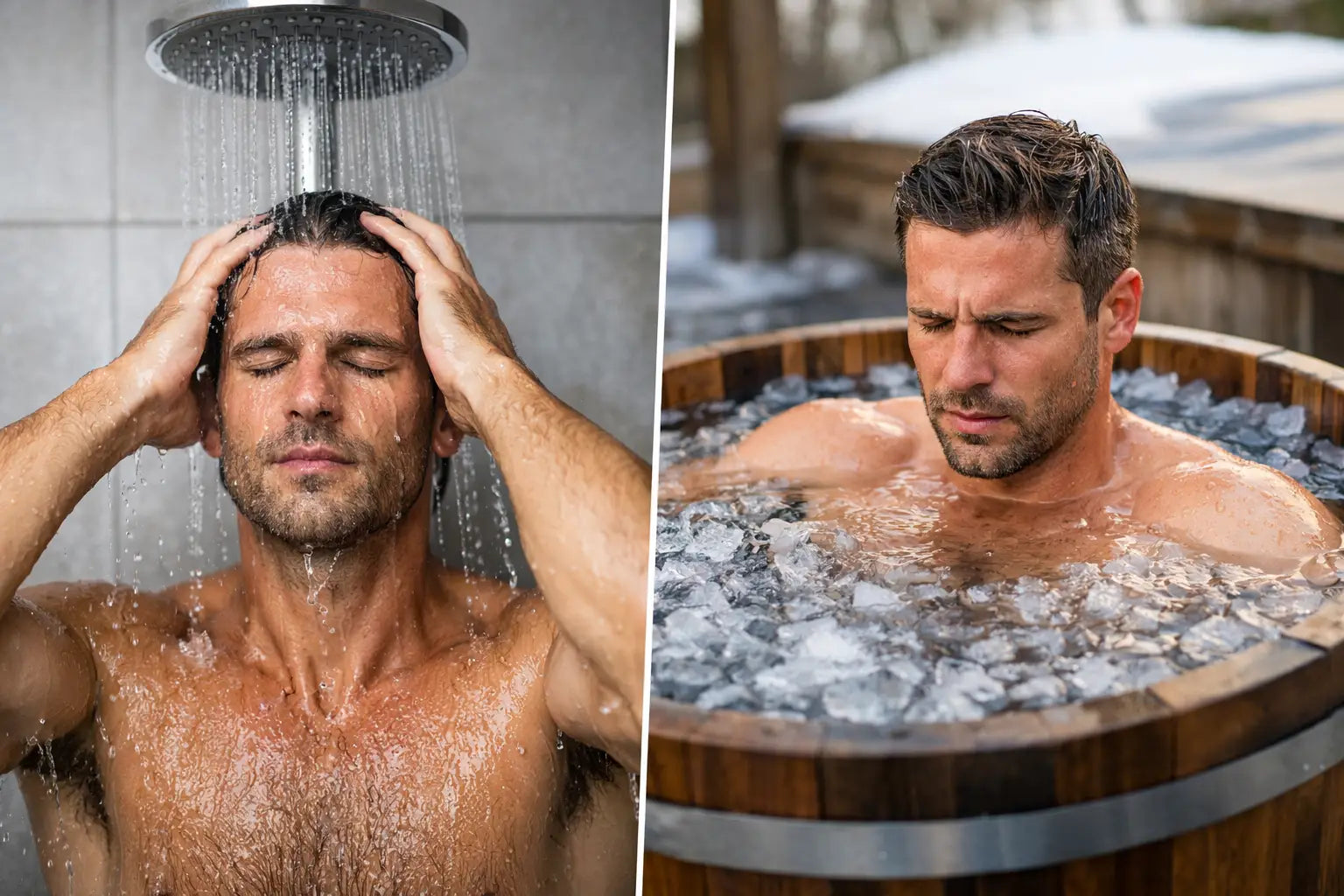
A cold-water ritual can change the character of a morning. It asks for presence, slows the breath, and leaves the body alert in a way coffee alone rarely can. But in the cold shower vs cold plunge conversation, the better choice is not simply the colder one. It is the one you will return to often enough for it to become a restorative part of life.
For some, a brisk shower is a practical reset between meetings or after a workout. For others, a dedicated plunge becomes the centerpiece of an outdoor wellness space, especially when paired with the enveloping warmth of a sauna and a quiet view of the trees. The experience, investment, and level of intention are meaningfully different.
Cold Shower vs Cold Plunge: The Core Difference
A cold shower delivers moving water from above, usually for a brief period at the end of a normal shower. Temperature control can be limited, particularly in a standard residential bathroom, and the water may not be consistently cold throughout the year. It is convenient, accessible, and requires no additional footprint.
A cold plunge is a purpose-built vessel filled with chilled water that allows most of the body to be submerged. Because the temperature is controlled and the water surrounds the body, the sensation is typically more intense and more consistent than a shower. It also creates a deliberate transition: you step away from the pace of the day, enter the water, regulate your breathing, and step back out.
That distinction matters. A shower is often an add-on to an existing routine. A plunge can become a ritual with its own setting, timing, and atmosphere.
Intensity and the Body’s Response
Both methods expose the body to cold and can create an immediate feeling of alertness. The first few seconds may bring a sharp inhale, rapid breathing, and a strong urge to step away. With calm, measured breaths, many people find that initial resistance settles into a focused, energized feeling.
The degree of exposure is the primary difference. In a shower, water hits selected areas of the body and drains away. You can turn, adjust the temperature, or end the experience instantly. This makes a shower an approachable place to begin, especially for people building confidence with cold exposure.
In a plunge, still water makes contact with a much larger surface area. Water draws heat from the body more efficiently than air, so a controlled plunge can feel powerful even at temperatures that may not sound extreme. The experience is more immersive, and it requires a more attentive approach to duration, temperature, and personal comfort.
Neither option needs to be a test of willpower. Longer is not automatically better, and colder is not automatically more beneficial. A short, calm exposure that leaves you feeling clear and capable is far more valuable than pushing through a session that leaves you shivering, stressed, or depleted.
Which Option Better Supports Recovery?
After demanding exercise, cold water is often used as part of a recovery routine because it can feel soothing on tired muscles and may help reduce the sensation of soreness. A cold shower can provide a quick post-workout refresh, particularly after a warm run, a hike, or time spent outdoors in summer heat.
A cold plunge offers a more repeatable recovery environment. With a known water temperature and a dedicated space, it is easier to create a consistent ritual after training, sauna bathing, or long days on your feet. For athletes, active families, and hospitality hosts creating an elevated guest amenity, that consistency is a meaningful advantage.
There is a trade-off for those focused on strength gains. Some research suggests that frequent, immediate cold immersion after resistance training may blunt certain muscle-building adaptations. If building muscle is your central goal, consider separating plunge sessions from lifting rather than treating them as an automatic post-workout step. A shower may feel less disruptive simply because the exposure is usually shorter and less intense.
Your health history also matters. People with cardiovascular conditions, uncontrolled high blood pressure, circulation concerns, pregnancy, or a history of fainting should speak with a qualified clinician before beginning cold exposure. Never plunge alone if you are new to the practice or unsure how your body will respond.
The Practical Choice: Space, Cost, and Maintenance
A cold shower wins on simplicity. There is no equipment to purchase, no water to treat, and no outdoor installation to plan. If you are curious about cold exposure but not ready to build a dedicated ritual, ending a shower with 15 to 30 seconds of cool water is a low-commitment starting point. Gradually reduce the temperature only as comfort and confidence improve.
A cold plunge requires more consideration, but it also offers more control. A quality setup needs an appropriate location, a stable and level base, reliable electrical planning when chilling equipment is used, and a water-care routine. Depending on the system, that routine may include filtration, sanitation, cover care, and periodic water changes.
For a homeowner, these details are not barriers so much as design decisions. A plunge placed near a sauna, outdoor shower, or covered changing area can turn a single wellness feature into a complete circuit. On a vacation rental or glamping property, the same thoughtful planning can create an experience guests remember long after checkout.
Aesthetics matter here, too. A shower is usually invisible once the bathroom door closes. A beautifully considered plunge can shape the entire outdoor environment. Natural wood, stone underfoot, soft lighting, privacy planting, and a place to sit between rounds transform a cold-water practice into a retreat worth stepping outside for.
How to Start With Either Cold-Water Ritual
Start with comfort, not performance. For a shower, begin at a cool temperature for the final 15 to 30 seconds, keeping your breath slow and avoiding the temptation to gasp. Over several sessions, you can extend the time or lower the temperature slightly if it feels appropriate.
For a plunge, choose a moderate temperature rather than chasing an icy number. Enter slowly, keep your head above water, and focus on a long exhale. Many beginners find one to three minutes is plenty. Exit before you feel numb, dizzy, panicked, or unable to control your breathing, then warm naturally with dry clothing, light movement, or time in a warm space.
Avoid cold exposure when you are ill, overly fatigued, dehydrated, or under the influence of alcohol. Children should not use cold plunges without close supervision and professional guidance. The goal is to feel refreshed and grounded, never to prove toughness.
When a Cold Shower Is the Better Choice
Choose a cold shower when convenience is the priority, your schedule is unpredictable, or you are still learning how your body responds to cold. It is also a sensible choice for apartment living, frequent travel, and anyone who wants a brief morning wake-up without maintaining another wellness feature.
A shower can be especially useful as a bridge habit. The more regularly you practice a controlled cool finish, the less unfamiliar cold water feels. That familiarity can make a later plunge experience calmer and more enjoyable.
When a Cold Plunge Is Worth the Investment
A cold plunge is worth considering when you want a consistent, immersive practice and have space to make it feel intentional. It suits people who already value sauna rituals, active recovery, outdoor living, or a dedicated moment of solitude before the household wakes.
It can also add depth to a property designed for hospitality. Guests may forget the thread count, but they remember the contrast of warm cedar air, cool water, and a quiet morning outdoors. For a private home, that same sequence creates a reason to use the backyard more fully in every season.
At Tanari Earth, the most compelling outdoor spaces are not built around a single product. They are composed around how you want to feel: rested, energized, connected to the landscape, and more present in your own life.
Let the Ritual Fit Your Life
The cold shower vs cold plunge decision comes down to access, appetite for intensity, and the kind of environment you want to create. A shower is an excellent daily reset. A plunge is a more immersive commitment, with greater control and a stronger sense of occasion.
Begin with the option that feels sustainable. A few quiet seconds of cold water, practiced with steady breath, can be enough to change the texture of a day. When you are ready for a more expansive ritual, make room for one that invites you outside, gives you a reason to linger, and lets restoration become part of the landscape around you.

