
Cart
0
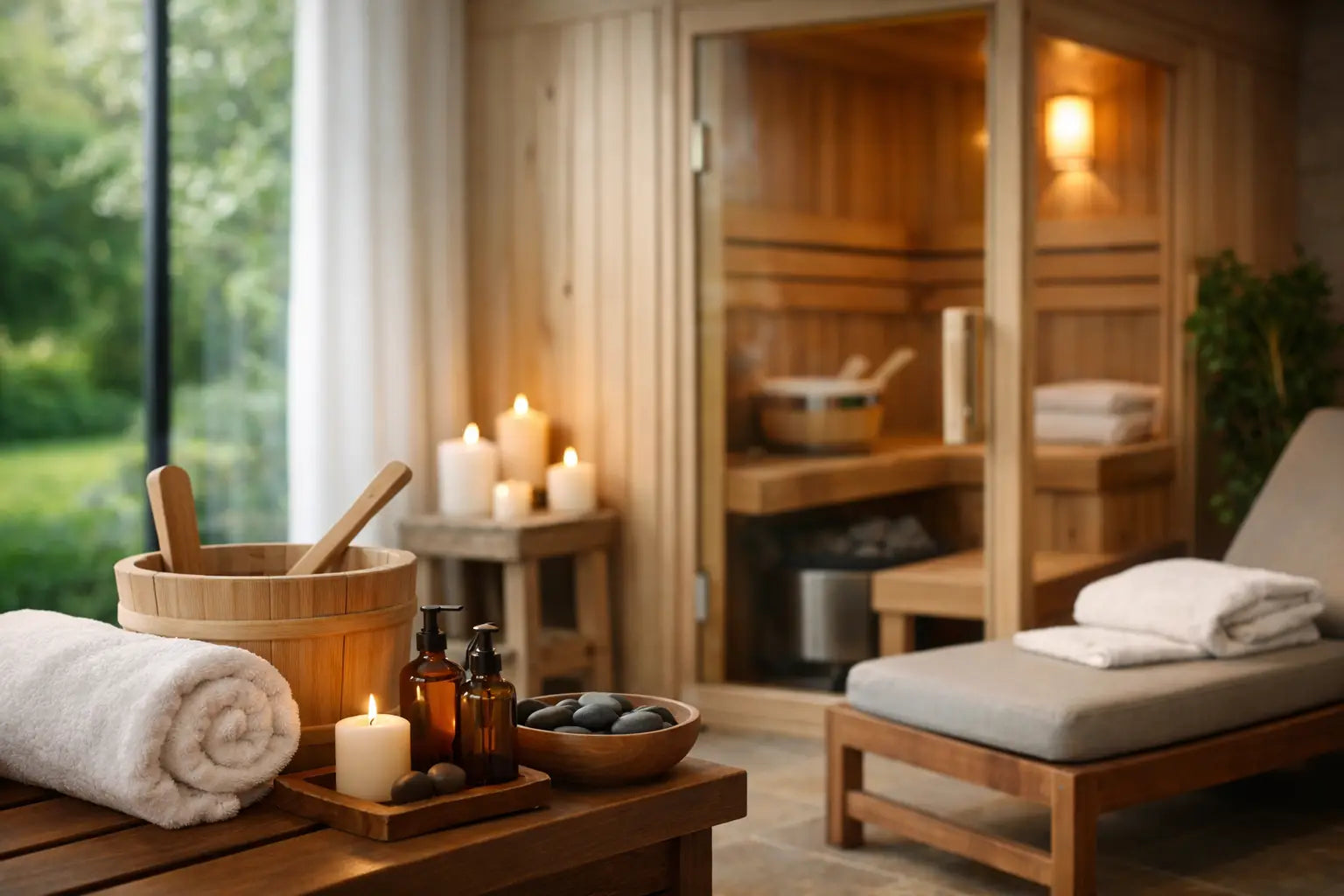
A great sauna retreat is not just a hot room with nice views. It is a sequence of sensations - warmth, stillness, fresh air, cooling, rest - arranged with enough care that your body starts to settle before the heat even begins. If you are wondering how to plan a sauna retreat, start there. The best ones feel intentional from the first step onto the path.
For some homeowners, that retreat lives beside a pool, tucked behind a garden wall, or positioned at the edge of a wooded property. For hospitality hosts, it may become the detail guests remember most. In both cases, the goal is the same: create a space that restores people and feels beautifully considered.
Start with the feeling, not the floor plan
Before you think about dimensions, heaters, or decking, decide what kind of experience you want to create. A sauna retreat can feel social and energizing, or quiet and private. It can be a ritual for daily recovery, a weekend reset, or the centerpiece of a guest stay.
That decision shapes almost everything that follows. If the retreat is meant for solitude, privacy and visual calm matter more than capacity. If it is designed for couples or small groups, circulation becomes more important - where people sit, how they cool down, and whether the transition spaces feel graceful rather than cramped.
This is where many projects go wrong. People focus on the sauna itself and treat the rest as leftover space. In practice, the moments between heat sessions often define whether the retreat feels luxurious or improvised.
How to plan a sauna retreat around flow
A well-planned sauna retreat has a natural rhythm. You move from arrival to warmth, from warmth to cooling, and from cooling to rest without friction. That flow should feel easy, even if the footprint is compact.
Think about the retreat in zones. The hot zone is the sauna. The cooling zone might be a cold plunge, an outdoor shower, a rinse station, or simply open air and a shaded bench if you prefer a softer contrast. The rest zone is where the experience lingers - loungers, a deck chair under trees, a covered platform with blankets, or a quiet seating area with soft lighting.
If you can, avoid placing these elements too far apart. A sauna on one side of the property and a plunge on the other may sound manageable on paper, but it breaks the rhythm. At the same time, too much compression can make the retreat feel crowded. There is a balance. You want enough movement to feel immersed in the setting, but not so much that the ritual becomes inconvenient.
The ideal sequence
Most retreats work best when the approach feels slightly sheltered, the sauna has a view or a sense of enclosure, the cooling feature is immediately accessible, and the rest area sits just beyond the intensity of the cycle. That arrangement allows people to reset without leaving the atmosphere behind.
If you are planning for a guest property, simplicity matters even more. Visitors should understand the space without needing instructions. The more intuitive the flow, the more elevated the experience feels.
Choose the setting with care
Location changes the entire mood of a sauna retreat. A beautiful structure can still feel exposed or disconnected if it is placed without regard for sightlines, wind, sun, and approach.
Look for a spot that feels slightly separate from the main home or entertaining area, even if it is only a short walk away. That little bit of distance helps create a mental shift. You are not just stepping outside. You are entering a calmer mode.
Privacy is essential, but privacy does not always mean full seclusion. Screening with trees, slatted fencing, tall grasses, or thoughtful orientation can preserve openness while still making the retreat feel personal. For many properties, the most successful placement is one that frames nature rather than competing with it.
Pay attention to practical conditions too. Grade, drainage, utility access, and delivery paths affect what is possible and what becomes expensive. A remote corner of the property may look ideal, but if access is difficult or the ground is unstable, the project can become more complex than expected. Sometimes the best site is the one that keeps the experience refined without making construction burdensome.
Materials matter more than decoration
The most memorable sauna retreats do not rely on excessive styling. They feel calm because the materials are right. Wood, stone, textured concrete, gravel, brushed metal, linen, and muted finishes tend to age well and sit comfortably in outdoor environments.
When planning the surrounding space, aim for restraint. Too many design gestures can make a wellness area feel staged. A cleaner palette lets the ritual itself take focus. Natural materials also help the retreat feel grounded across seasons, whether the landscape is lush in summer or spare in winter.
That said, there is room for personality. A sculptural stool, a beautifully crafted bucket, a simple robe hook in the right finish, or a warm lantern glow can make the space feel considered. Luxury here is less about abundance and more about editing.
Decide what level of ritual you want
Not every sauna retreat needs a cold plunge, built-in sound, and a full changing room. For some people, the most restorative version is beautifully simple. For others, layering amenities creates the sense of escape they are after.
A practical way to decide is to separate essentials from enrichments. The sauna is the anchor. Comfortable outdoor seating, proper towels, and a place to cool down are close behind. After that, it depends on how you plan to use the retreat. If you enjoy contrast therapy, a plunge or cold shower becomes central. If you host often, you may want more seating, better night lighting, and storage for robes and extras.
There are trade-offs. A larger setup can feel generous, but it also requires more maintenance and more visual discipline. A smaller retreat may be easier to keep beautiful and use often. Frequency matters. The best retreat is not the one with the longest feature list. It is the one you return to.
How to plan a sauna retreat for year-round use
Seasonality should guide your decisions early. A retreat that feels inviting in peak summer but neglected in winter is only doing part of the job.
For year-round comfort, think about shelter, lighting, and surfaces. Covered transitions can make rainy days pleasant instead of inconvenient. Soft exterior lighting extends use into early mornings and evenings without feeling harsh. Slip-resistant decking or stone is worth prioritizing around wet zones.
If your climate runs cool, create places to pause without getting chilled too fast. Wind protection, warm textiles in a protected storage area, and a sheltered lounge corner can make a significant difference. In warmer regions, shade and airflow matter more. The retreat should still feel restful when the air itself is already hot.
This is one reason integrated outdoor wellness spaces tend to outperform isolated installations. When the retreat is designed as part of a broader outdoor living concept, it feels more natural to use in every season.
Keep the atmosphere quiet and intuitive
Technology has its place, but too much of it can flatten the mood. If every element requires an app, a charging station, or a set of instructions, the retreat starts to feel managed rather than restorative.
Choose convenience where it truly helps. Exterior lighting on simple controls, weather-conscious storage, easy-clean surfaces, and durable hardware all support regular use. Beyond that, quiet design usually wins. Let texture, scent, steam, and landscape do more of the work.
This is where a premium approach pays off. Better craftsmanship often feels less noticeable in the best way. Doors close cleanly. Benches feel solid. Materials hold up. The retreat remains serene because nothing in it asks for attention.
Make it personal without making it busy
A sauna retreat should reflect the people who use it. That may mean keeping a favorite tea service nearby, choosing a cedar-forward scent profile, or placing the seating to catch the last light of day. It may mean designing for post-work decompression, weekend hosting, or recovery after training.
For design-conscious homeowners, the strongest spaces usually connect visually to the home without copying it exactly. For rental hosts or glamping operators, the goal is often to create a distinctive, photogenic experience that still feels restful in person. A good retreat can do both.
Brands like Tanari Earth understand that a sauna is rarely the whole story. It becomes more compelling when it is part of a complete outdoor oasis - something lived in, not just installed.
If you are still refining your plan, return to a simple question: what should someone feel 10 minutes after arriving here? If the answer is calmer, clearer, and more present, you are making the right decisions. Build around that, and the retreat will have lasting value long after the novelty of the project fades.

