
Cart
0
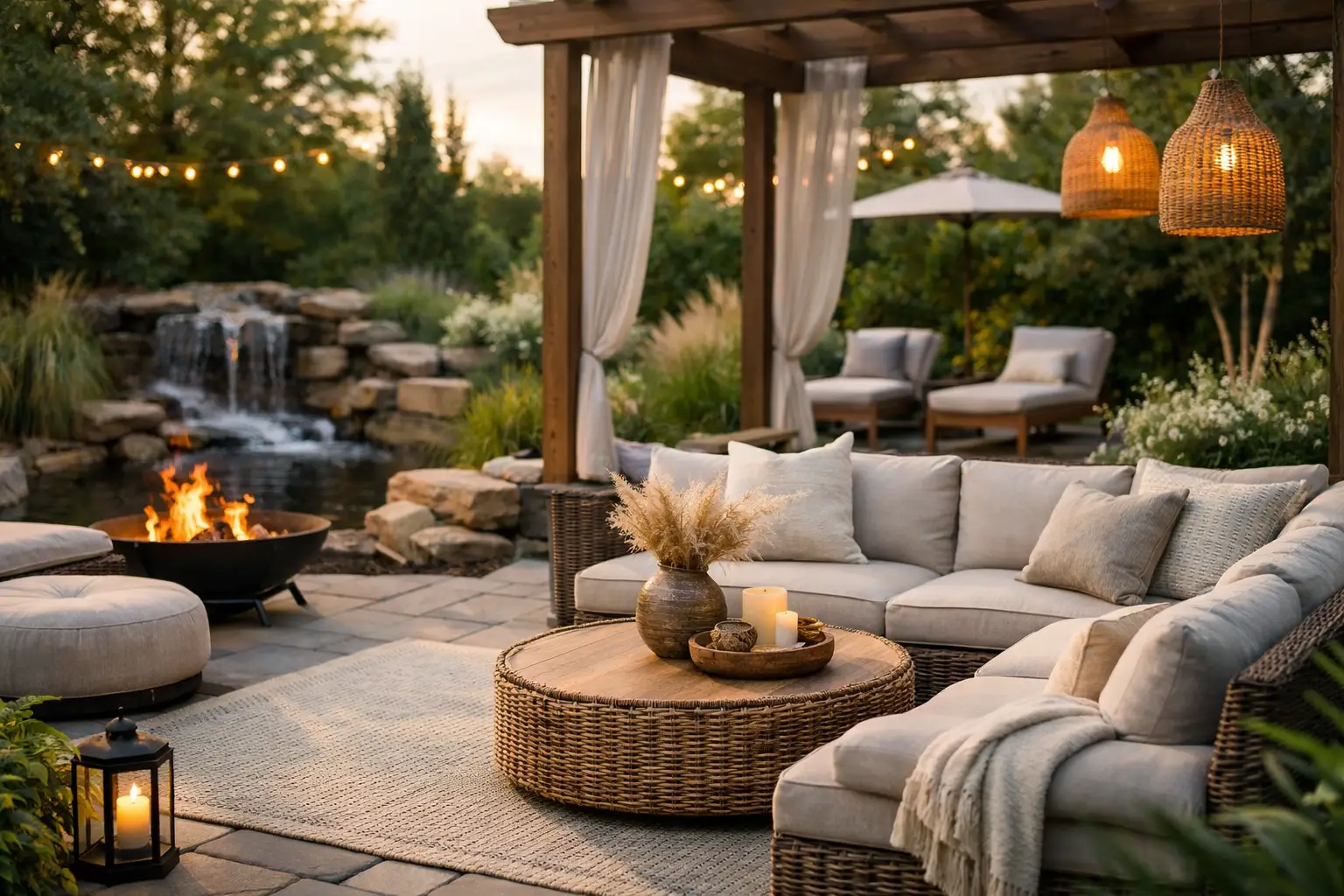
The best outdoor sanctuaries do not begin with a large yard or a long shopping list. They begin with a feeling: the quiet exhale after stepping outside, the warmth of natural wood, the ritual of leaving the day behind. Learning how to design an outdoor sanctuary means designing for that feeling first, then choosing the structures, materials, and details that make it possible to return to it often.
A private retreat can take shape on a wooded acre, beside a pool, in a compact courtyard, or along the edge of a vacation rental property. Scale matters less than intention. Give the space a purpose, protect it from distraction, and let nature remain part of the experience.
Begin With the Ritual You Want to Create
Before planning a layout, decide what restoration looks like in your life. Perhaps it is a slow morning coffee under a canopy of trees. Perhaps it is an evening sauna followed by a cold plunge and a few unhurried minutes beneath the open sky. For a hospitality property, it may be the memorable, sensory-rich arrival that makes guests feel they have truly gone somewhere.
Choose one primary ritual and one supporting ritual. A sauna zone might be supported by a shaded lounge area where you can cool down between sessions. A glamping dome may be paired with a fire feature and a quiet path that encourages guests to wander. An outdoor studio may need a small terrace for fresh-air breaks, reading, or stretching.
This clarity prevents a common design mistake: filling an outdoor space with beautiful objects that do not work together. A sanctuary is not a collection of amenities. It is a sequence of experiences.
How to Design an Outdoor Sanctuary in Zones
Think of the landscape as a series of rooms without walls. The most successful layouts create gentle transitions between activity and rest, exposure and privacy, warmth and coolness.
Start with an arrival zone. It can be as simple as a stone path, a gravel walk bordered by grasses, or a timber gate that separates the retreat from the practical parts of the property. The point is to create a threshold. When you cross it, the pace should change.
Next, place the main wellness feature where it feels both accessible and secluded. A sauna should have a convenient route from the house, especially for evening use, but it should not feel like it is sitting in the middle of a service yard. A cold plunge benefits from a stable, level surface and nearby privacy screening. If you are planning both, place them close enough to make contrast therapy easy, with a dry landing area and seating between them.
Then create a recovery zone. This is often the space people remember most: a pair of deep lounge chairs, a built-in bench, a daybed beneath a pergola, or a simple cedar deck warmed by afternoon sun. Leave enough room to move comfortably in a robe, set down a towel, and sit without feeling on display.
Finally, consider a gathering zone if the property calls for it. A fire pit, dining table, or outdoor kitchen can make an oasis more social, but it should sit just outside the quietest area rather than compete with it. Not every sanctuary needs to entertain a crowd. For many homeowners, a space designed beautifully for two will be used far more often.
Let the Site Lead the Design
A refined outdoor retreat works with its setting instead of imposing itself on it. Spend time outside at different hours before finalizing placement. Notice where the sun rises, where heat collects, which views feel restorative, and where neighboring windows create unwanted exposure.
Morning sun can be lovely beside a cold plunge or breakfast terrace, while filtered afternoon shade is often more comfortable around a lounge area. A sauna may benefit from a view toward trees, a garden, or an open sky, but it also needs practical consideration for access, foundation requirements, electricity, and ventilation. Local regulations, setbacks, drainage, and utility connections should be reviewed early, particularly for larger studio rooms, ADUs, and hospitality installations.
Privacy does not always require a tall fence. Layered evergreen planting, ornamental grasses, trellises, and strategically placed structures can create a softer sense of enclosure. On a rural property, a winding path or a change in elevation may be enough to make the destination feel private. In a dense neighborhood, screening and sound control deserve more attention.
Choose Materials That Feel Better Over Time
Premium outdoor spaces are defined by materials that age with character. Wood, stone, textured plaster, gravel, and weathered metal tend to feel grounded because they belong naturally beside planting and changing light.
Cedar and thermally modified wood offer warmth underfoot and a beautiful visual connection to a sauna or studio structure. Natural stone creates a substantial base for pathways and patios, while decomposed granite or fine gravel can make a modest footprint feel relaxed and intentional. For textiles, choose performance fabrics in quiet, nature-led tones that can withstand sun and moisture without looking overly synthetic.
There are trade-offs. Wood requires periodic care, especially in wet or high-sun locations. Stone can cost more upfront and may need skilled installation. Gravel is forgiving and permeable, but it is less ideal for wheeled furniture or bare feet. The right choice depends on climate, maintenance tolerance, and how the space will be used.
Aim for a restrained palette rather than matching every surface. Warm timber, charcoal metal, pale stone, and soft green planting can feel layered without becoming busy. Let the landscape provide much of the color.
Build Comfort Into the Small Details
What separates an attractive backyard from a sanctuary is often comfort at the moment it is needed. Provide hooks for robes and towels near a sauna or plunge. Include a bench where guests can sit to remove shoes. Keep water, extra towels, and a small tray for tea within reach. These gestures make a wellness ritual feel effortless instead of improvised.
Lighting deserves the same care. Avoid flooding the space with bright overhead fixtures. Low pathway lights, softly lit steps, dimmable wall sconces, and a warm glow near seating preserve the evening atmosphere while supporting safe movement. If stargazing is part of the appeal, keep fixtures shielded and directed downward.
Sound can be designed, too. A small fountain may soften traffic noise. Tall grasses move gently in the wind. Dense planting helps absorb sound, while a thoughtful distance between the sanctuary and mechanical equipment protects the sense of calm. If music belongs in the space, let it be optional and discreet rather than the centerpiece.
Make Nature More Than a Backdrop
Planting should invite interaction, not just frame a photograph. Fragrant herbs near a path, flowering shrubs outside a lounge area, and native grasses around a deck add seasonality and texture. Consider what will look and feel good in the months when you are most likely to use the space.
For year-round use, layer evergreen structure with plants that offer changing interest: spring blooms, summer scent, autumn color, and winter branches. In dry climates, drought-tolerant planting can be both beautiful and practical. In lush climates, prioritize drainage and choose materials that handle moisture gracefully.
A view of nature is restorative, but immersion is more powerful. Position seating where people can feel the breeze, hear birds, and notice light moving through leaves. A glamping dome or outdoor studio becomes more compelling when its windows frame the landscape like a living artwork rather than facing the nearest wall.
Plan for Use Beyond the Perfect Day
A sanctuary should still feel inviting when the weather is less than ideal. Shade structures, umbrellas, pergolas, and covered transitions make summer heat more manageable. A fire feature, radiant heater, and layered blankets extend the season in cooler regions. Good drainage and slip-resistant surfaces are essential around water features, especially where sauna and plunge routines are part of the plan.
For vacation-rental hosts and glamping operators, durability is as valuable as visual impact. Choose surfaces that can be cleaned easily, create clear guest pathways, and provide simple instructions for wellness amenities. Privacy, lighting, and safety should feel considered without disrupting the sense of escape.
The goal is not to create an outdoor room that looks perfect only in photographs. It is to make a place that welcomes real life: damp towels after a plunge, a late-night conversation by the fire, a solitary hour after a demanding week.
A well-designed sanctuary gives you a reason to step outside before you feel depleted. Start with one meaningful ritual, make room for it with care, and let the landscape do what it has always done best: return you to yourself.

