
Cart
0
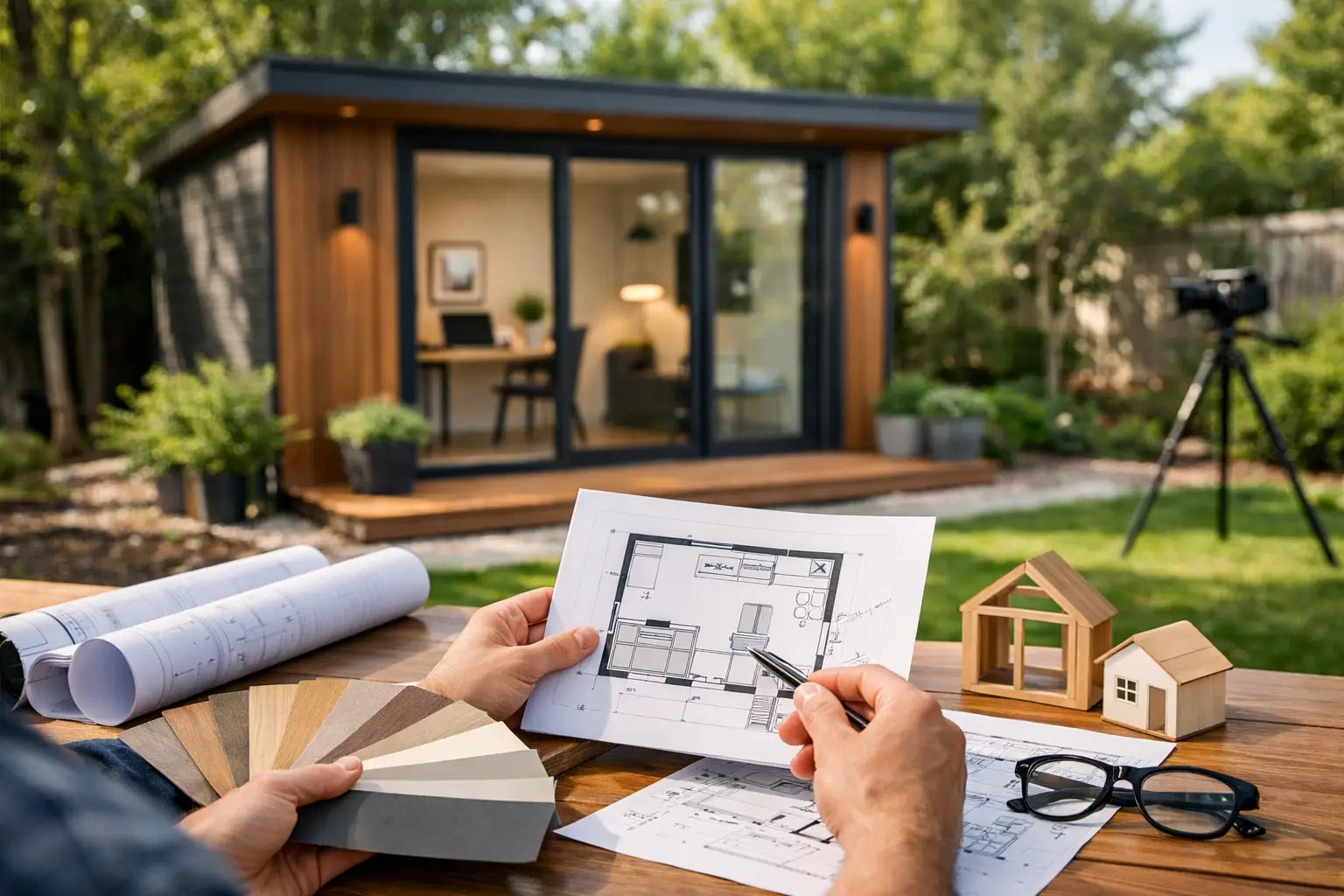
A backyard studio room kit can change the way a property feels almost overnight. What was once an underused stretch of lawn or a quiet edge of the garden becomes a place with purpose - a private office, an art space, a guest retreat, or a wellness room where the pace of the day softens.
That shift is exactly why these structures have become so appealing to design-minded homeowners and hospitality property owners alike. They offer more than extra square footage. A well-chosen studio creates separation without disconnection. You step outside the main home, breathe differently, and enter a space that feels intentional.
Why a backyard studio room kit appeals now
The appeal starts with flexibility, but it lasts because of experience. Many people begin by wanting a detached workspace and end up using the room for far more - morning meditation, reading, creative work, movement, or hosting overnight guests when the layout allows.
A backyard studio room kit also offers a more curated path than starting from scratch. Traditional custom builds can be rewarding, but they often come with longer timelines, more moving parts, and less predictability around cost. A kit-based approach can simplify the process while still leaving room for elevated finishes, thoughtful siting, and a more architectural feel than the word kit sometimes suggests.
For vacation-rental hosts and glamping operators, the value is just as compelling. A detached studio can create a premium guest amenity, a private wellness space, or a flexible structure that increases the usefulness of the land without requiring a full-scale development plan.
What a backyard studio room kit really includes
Not all kits are created with the same level of completeness. Some are closer to a shell, while others are designed as more comprehensive packages with framing systems, wall panels, roofing components, doors, windows, and interior-ready surfaces.
That distinction matters. A lower upfront price can look attractive until you realize how much still needs to be sourced separately. Flooring, insulation, electrical planning, climate control, interior wall finishes, and foundation work are often where budgets widen.
The best way to evaluate a backyard studio room kit is to look past the headline price and ask a better question: how close does this get you to the experience you want? If your goal is a refined retreat with comfort in every season, the answer depends on much more than the frame itself.
Start with the way you want to feel in the space
Before comparing materials or dimensions, think about the rhythm of use. A studio designed for deep work has different priorities than one intended for restoration. If you want a quiet office, acoustics, natural light control, and reliable heating and cooling matter more than open floor area alone. If the room is meant for yoga, bodywork, or a slow morning reset, your attention may shift toward views, warmth underfoot, and a more calming material palette.
Guest use adds another layer. Privacy, access, storage, and proximity to a bathroom become more important. For hospitality properties, maintenance also deserves real attention. Beautiful spaces need to hold up well with repeat use, changing weather, and a range of guest expectations.
When the intended use is clear, every decision afterward becomes easier and more coherent.
Size, layout, and placement matter more than people expect
A large studio is not automatically a better one. In many backyards, proportion is what makes the structure feel luxurious rather than imposing. A thoughtfully sized building with strong natural light and a clean interior layout can feel far more expansive than a larger room placed without care.
Placement deserves the same level of thought. Morning light may be ideal for a wellness room or creative studio. A shaded orientation may suit an office in warmer climates. Sightlines matter too. Some owners want the structure visible from the house as part of the landscape composition, while others prefer it tucked into a quieter corner for a stronger sense of retreat.
You also need to think about access during construction. Flat-pack or panelized kits still need a realistic path from delivery point to installation site. If the location is difficult to reach, labor and logistics can shift quickly.
Materials set the tone and the lifespan
One of the quickest ways to tell whether a studio will feel elevated or temporary is the material palette. Natural wood, high-quality glazing, durable roofing, and well-finished trim details all contribute to a sense of permanence and calm.
This is especially important in an outdoor setting. A backyard studio should feel connected to nature, not simply placed in it. Materials that age gracefully often support that feeling better than options that look overly synthetic or visually harsh.
There is a trade-off, of course. Premium materials usually raise the initial investment. But they can also reduce maintenance headaches, improve insulation performance, and preserve the visual value of the structure over time. For homeowners focused on long-term property enhancement, that balance often favors quality.
Don’t overlook insulation, ventilation, and comfort
A studio that looks beautiful in photos but struggles with heat, cold, or stuffiness will not get used the way you hope. Year-round comfort should be part of the decision from the beginning, especially if the structure will serve as a daily workspace or guest accommodation.
Insulation levels, window performance, air sealing, and ventilation all shape the lived experience inside. In mild climates, some owners assume these details are secondary. In reality, even coastal and temperate regions can swing enough to make an underbuilt room uncomfortable.
If your vision includes quiet focus, restful sleep, or wellness rituals, comfort becomes part of the design language. The room should support a slower, easier state of mind rather than requiring constant adjustment.
Site prep and permits can shape the whole project
This is where many buyers underestimate the real scope of a backyard studio room kit. Even when the kit itself is straightforward, the site may not be. Foundation requirements vary by structure type, soil condition, drainage, and local code. Utility planning may be simple for a meditation room and more involved for a guest-ready setup with lighting, HVAC, or plumbing nearby.
Permitting also depends on location, size, and intended use. Some jurisdictions are relatively friendly to detached accessory structures. Others may require a more detailed review, particularly if the building will function as habitable space.
None of this means the process has to be difficult. It just means the smartest projects treat site work and approvals as part of the design conversation early on, not as afterthoughts.
The best kits balance ease with design integrity
A good kit should simplify decisions without flattening the character of the space. That balance is where real value lives. If every finish and detail feels generic, the final result can miss the sense of retreat that drew you to the idea in the first place. If every element is fully custom, you may lose the efficiency that made a kit attractive.
The sweet spot is a system that provides structural clarity and installation efficiency while still allowing the finished room to feel personal, refined, and aligned with the architecture of the property. That is especially true for buyers who care deeply about wellness, hospitality, and design continuity.
For this audience, the studio is rarely just a spare room. It is part of a larger outdoor living story - a place for quiet work, recovery, hosting, or simply stepping away without leaving home. That is the perspective brands like Tanari Earth understand well.
How to compare options without getting distracted
When reviewing different models, it helps to focus on five things: how complete the package is, how the materials will age, what comfort systems are realistically supported, what the site will require, and whether the design feels right for the property.
A cheaper structure that needs extensive upgrades is not always the better buy. A visually striking model with poor insulation may disappoint in everyday use. And a highly functional studio that ignores the landscape around it can feel like an add-on instead of an oasis.
The strongest choice is usually the one that aligns practical performance with emotional value. You should be able to picture yourself using the room easily and often, not just admiring it from across the yard.
A backyard studio works best when it gives shape to the life you already want to live outdoors - calmer mornings, more focused work, more generous hosting, and more time spent in a space that restores you.

