
Cart
0
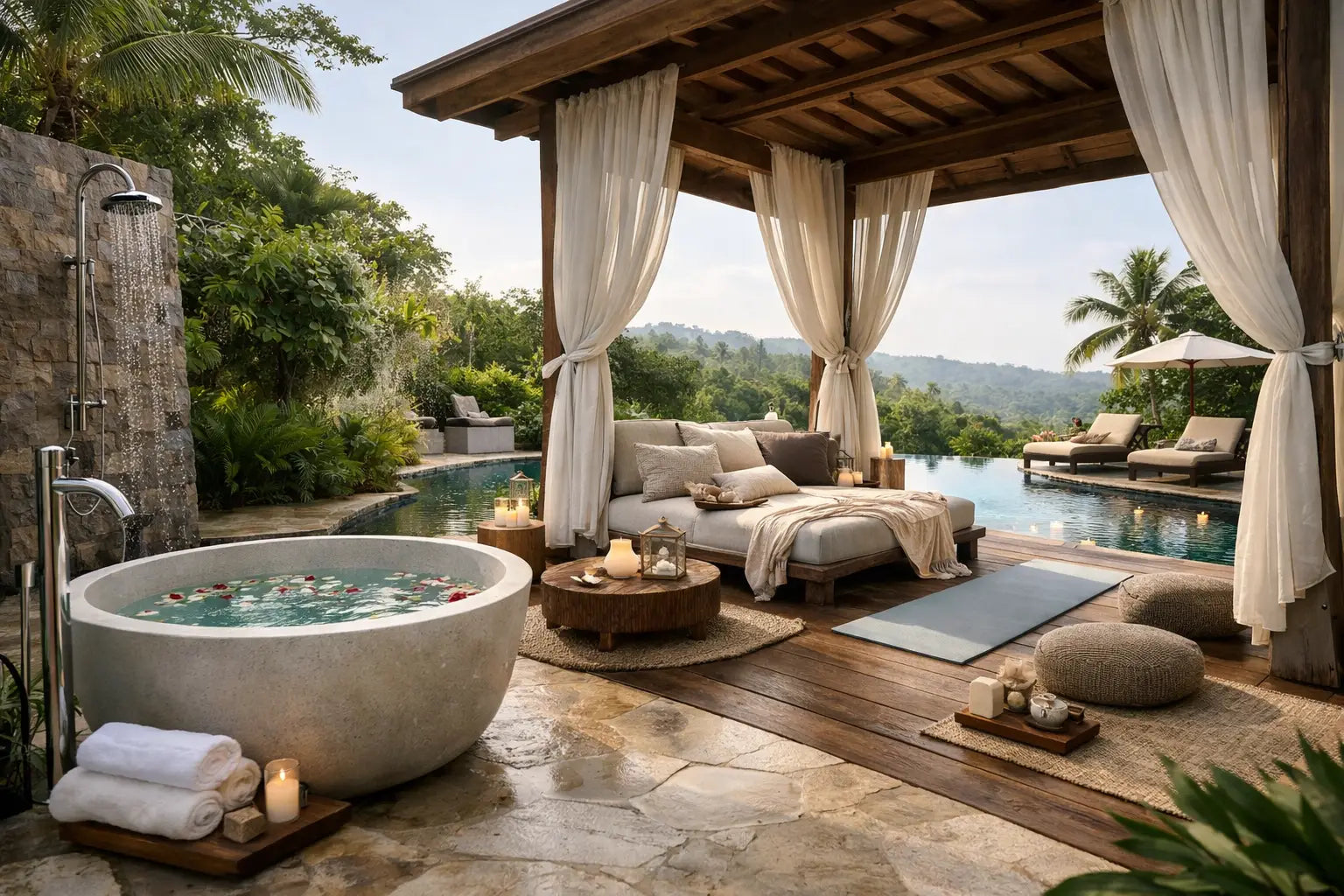
The best outdoor wellness room ideas do not begin with furniture or finishes. They begin with a feeling. Maybe you want the stillness of a cedar sauna at dusk, a cold plunge tucked beside a private deck, or a quiet studio where morning light and trees replace the usual distractions. When the goal is restoration, the space needs to support ritual, not just look beautiful in photos.
That shift matters. A well-designed outdoor wellness room is less about adding one impressive feature and more about creating an atmosphere you will actually return to. The most successful spaces balance comfort, privacy, weather protection, and visual calm so the experience feels effortless from the moment you step outside.
What makes outdoor wellness room ideas work
Luxury outdoor wellness design is often quieter than people expect. It is not about filling a yard with amenities. It is about choosing a few meaningful elements and giving them room to breathe.
A wellness room outdoors should feel sheltered but not closed off. You want enough enclosure to create privacy and comfort, while still keeping a strong connection to air, light, and landscape. Materials play a major role here. Natural wood, stone, linen-toned textiles, soft lighting, and restrained color palettes tend to age well and create a calmer sensory experience than trend-driven finishes.
There is also the question of use. A backyard retreat for daily personal ritual will look different from one designed for entertaining guests or elevating a vacation rental. If the space is mostly for solo recovery, prioritize quiet, thermal contrast, and easy maintenance. If guests will use it, circulation, storage, and intuitive layout become more important.
1. The sauna and cold plunge pairing
One of the most compelling outdoor wellness room ideas is also one of the most timeless - pair a sauna with a cold plunge and a small transition zone between them. This creates a complete thermal ritual rather than two separate features.
The transition zone matters more than many people realize. A deck with room for towels, seating, water, and a robe hook can turn a simple setup into a refined experience. If you have space, add a privacy screen or partial enclosure so moving between heat and cold feels intimate and protected.
For design-conscious homes, the key is restraint. Let the sauna be the architectural anchor, then keep surrounding materials simple. Cedar, black metal accents, poured concrete, and gravel can feel elevated without competing for attention.
2. A garden studio devoted to quiet recovery
Not every wellness room needs steam and temperature contrast. Some of the best spaces are built for stillness. A detached outdoor studio with oversized windows, soft flooring, and room for a meditation cushion, daybed, or yoga practice can become the calmest part of a property.
This approach works especially well for homeowners who want a dedicated retreat without turning the space into a gym. The atmosphere should feel restorative first, functional second. That may mean choosing concealed storage, a sculptural chair instead of multiple seats, and window placement that frames greenery rather than neighboring structures.
Climate control and insulation matter here. If you want year-round use, comfort cannot be an afterthought. A beautifully designed room that is too hot in summer or too cold in winter quickly becomes occasional rather than essential.
3. A glamping dome for immersive rest
For properties with more open land, a dome can create a strong sense of escape without requiring a large footprint. The appeal is emotional as much as practical. Curved architecture, filtered light, and panoramic views naturally soften the mood.
A wellness-focused dome works best when you resist the urge to overfurnish it. A low-profile lounge bed, a reading chair, soft layered textiles, and a small tea or hydration station may be all you need. If privacy allows, position it toward trees, meadow, or sky rather than toward the main house. The point is to feel elsewhere, even when you are still at home.
This concept is especially attractive for hospitality settings. Vacation-rental hosts and retreat operators can use a dome as a dedicated recovery suite, meditation space, or premium add-on experience that feels memorable without being overly themed.
4. The spa courtyard layout
Some outdoor wellness room ideas are less about a single structure and more about the sequence of spaces. A spa courtyard creates that sense of progression. You might enter through a gate or narrow path, pass a bench or water feature, then arrive at a sauna, plunge, soaking tub, or covered lounge area.
This layered arrival can make even a compact footprint feel special. The design principle is simple - reveal the experience gradually. Screens, plantings, and changes in material underfoot help shape that journey.
Courtyards are especially useful in denser neighborhoods where privacy is limited. Instead of chasing wide-open views, they create an inward-looking sanctuary. That can feel more intimate and luxurious than a fully exposed setup.
5. A covered open-air lounge with wellness amenities
If your climate allows frequent outdoor living, an open-air structure can be enough. Think of a covered pavilion with architectural screening, integrated lighting, and a few carefully selected wellness features nearby.
This could include an infrared sauna on one side, a cold plunge or outdoor shower on the other, and a central lounge space that invites you to stay longer. The benefit of this format is flexibility. It supports solo use, casual conversation, and slow afternoons without forcing the space to function as only one thing.
The trade-off is exposure. Wind, humidity, and seasonal temperature swings will affect how often you use the space, so material quality becomes even more important. Durable woods, marine-grade hardware, and weather-conscious upholstery are worth the investment.
6. The minimalist deck retreat
A full build-out is not always necessary. For some homes, a wellness room can begin as a beautifully resolved deck with one signature element and enough privacy to feel intentional.
A barrel sauna, outdoor shower, and chaise tucked behind tall planting can create a surprisingly complete ritual. The reason this works is clarity. Instead of trying to replicate an indoor spa outdoors, it embraces the simplicity of fresh air, natural texture, and one focused experience.
This is often a smart option for first-time buyers who want to build their oasis in phases. Start with the thermal element you will use most, then add lighting, screening, or a small covered room later if the routine becomes part of daily life.
7. A wellness room that blends with the main residence
Some properties call for a stronger architectural connection between house and retreat. In that case, the best outdoor wellness room ideas borrow cues from the home itself - roofline, cladding, window proportions, and material palette - so the structure feels integrated rather than added on.
This approach tends to look more expensive because it feels considered. It also supports long-term property value. A detached wellness studio or sauna suite that echoes the primary residence usually reads as part of the estate, not as a standalone novelty.
That said, perfect matching is not always the goal. A slight contrast can be beautiful. A dark, minimalist studio set against a lighter home can create visual interest while still feeling cohesive if the materials are related.
Designing for privacy, ritual, and ease
The most memorable outdoor wellness spaces are easy to use. That sounds obvious, but it is where many projects fall short. If towels are stored too far away, if the path to the plunge is awkward, or if lighting feels harsh at night, the ritual starts to break down.
Privacy should be designed from the beginning, not patched in later. Slatted wood screens, layered plantings, frosted glazing, and thoughtful orientation can preserve openness while reducing exposure. In premium settings, privacy often feels more luxurious than square footage.
Storage deserves equal attention. Hidden cabinetry, a weather-protected bench, or a simple built-in niche for robes and essentials helps the space stay calm instead of cluttered. The fewer visual interruptions, the more restorative the room will feel.
How to choose the right outdoor wellness room idea
Start with behavior, not aspiration. Ask yourself what you want to do there three times a week, not what looks appealing in a design gallery. If you crave heat and recovery after workouts, prioritize a sauna-plunge setup. If your goal is quiet mornings and nervous system reset, a studio or dome may serve you better.
Then consider your property. Trees, slope, sun exposure, drainage, access to utilities, and distance from the main house all shape what makes sense. A beautiful concept in the wrong location can become frustrating fast.
It also helps to decide whether you want your space to feel hidden or connected. Some homeowners want a retreat that disappears into the landscape. Others want a wellness room that extends the architecture of the home and is visible from inside. Neither is better. It depends on how private, social, or integrated you want the experience to be.
For those building at a higher level, craftsmanship should guide the final decision as much as aesthetics. Natural materials, thoughtful proportions, and quality construction make a wellness room feel serene long after the novelty wears off. That is where brands like Tanari Earth have a distinct point of view - the goal is not simply to add equipment outdoors, but to shape a place that invites you back into yourself.
The most lasting luxury is not excess. It is having a space outside your door that makes slowing down feel natural.

