
Cart
0
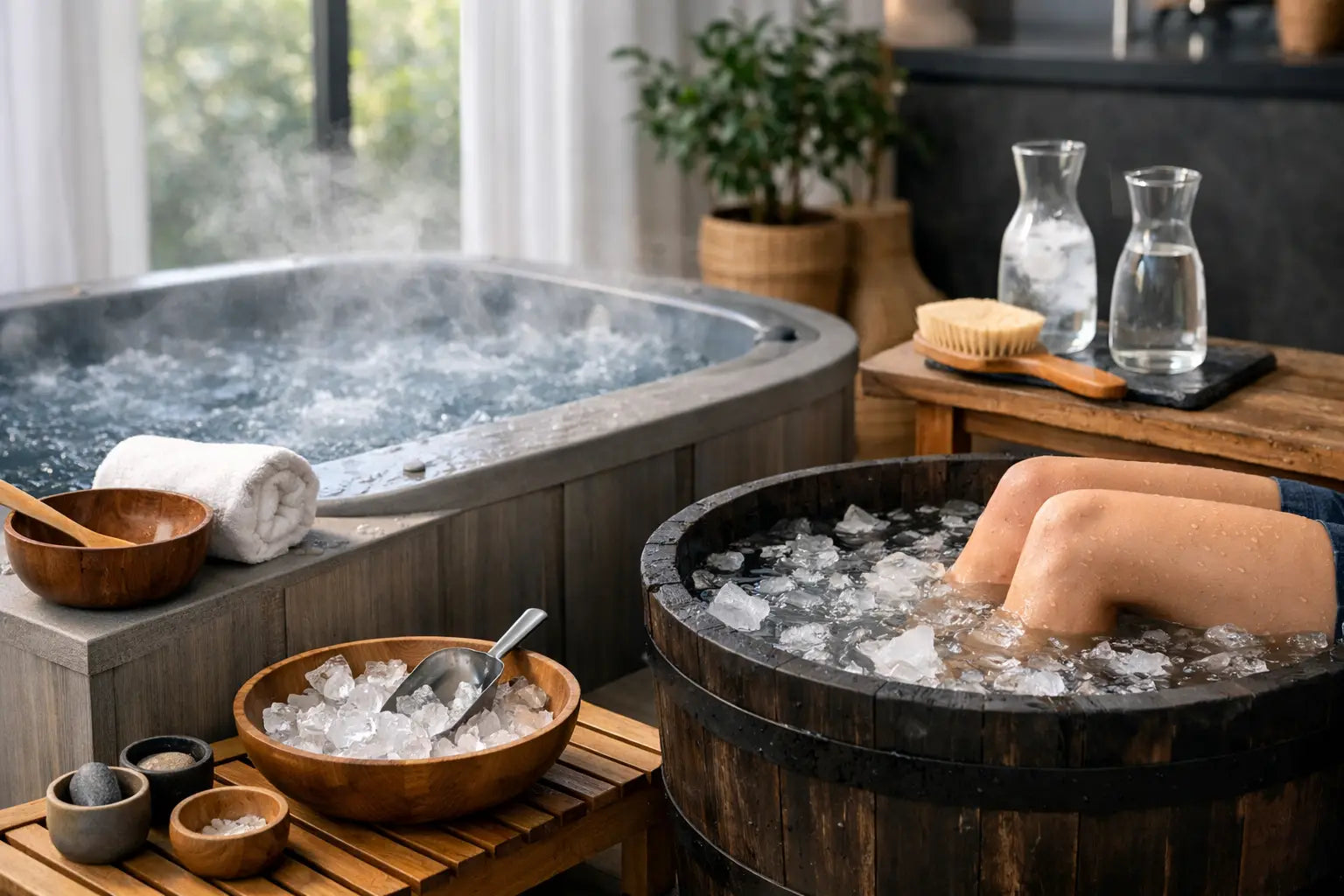
A good contrast therapy routine at home does not start with bravado. It starts with a quiet, well-designed setup you will actually want to return to - one that feels restorative, not punishing.
That distinction matters. Contrast therapy has become popular because the sauna-to-cold-plunge cycle feels invigorating, but the real value is not in chasing extremes. At home, the best routine is the one that fits your space, your schedule, and your nervous system. It should leave you feeling clear, grounded, and renewed enough to make it part of your life, not just a one-time challenge.
What a contrast therapy routine at home actually does
Contrast therapy alternates heat exposure with cold exposure. Most often, that means moving from a sauna into a cold plunge, then resting, and repeating the cycle once or twice more. The contrast encourages your body to respond to rapid temperature changes, which many people find mentally clarifying and physically refreshing.
There is also a ritual element that makes it especially well suited to an outdoor wellness space. Heat tends to soften and slow you down. Cold creates a sharp reset. Together, they can turn a backyard sauna or plunge area into something more meaningful than a collection of amenities. It becomes a place where you step away from noise, screens, and hurry.
The benefits people seek vary. Some want post-workout recovery support. Others want stress relief, better sleep, or a more intentional morning ritual. And for some, the appeal is simply sensory - cedar warmth, cool air on skin, the stillness that comes after the plunge. All of those are valid, but the right routine depends on which outcome matters most to you.
Start with the right home setup
A beautiful contrast practice is easier to maintain when the environment feels composed. You do not need a sprawling spa complex, but you do need a setup that is practical enough to use often.
In most homes, that means three zones. The first is your heat source, usually an outdoor sauna. The second is your cold element, whether that is a dedicated plunge pool, a cold tub, or another controlled cold-water option. The third is the area people often forget: a transition space where you can sit, breathe, towel off, hydrate, and let your body settle.
This transition area changes the experience. Without it, the routine can feel rushed and overly intense. With it, the session feels intentional. A simple bench, privacy screening, warm lighting, hooks for towels, and a place for water can make the entire practice feel calmer and more refined.
If you are planning from scratch, think about flow before aesthetics alone. You want a short walk between sauna and plunge, enough privacy to relax, and materials that hold up well outdoors. Natural wood, stone, and muted finishes tend to age gracefully and support the retreat-like atmosphere many homeowners want.
How long each phase should last
The most effective contrast therapy routine at home is usually simpler than people expect. You do not need long exposure times to feel the effect.
For heat, many people begin with 10 to 15 minutes in the sauna. If you are new to sauna bathing, start on the lower end. If you are already comfortable with regular sauna use, you may prefer a slightly longer session, but more is not always better. You are looking for deep warmth and gentle perspiration, not exhaustion.
For cold, 30 seconds to 2 minutes is enough for most people. Beginners often do best starting with 30 to 60 seconds. That is long enough to experience the reset without turning the session into a test of willpower. As your tolerance improves, you can gradually extend the duration if it still feels beneficial.
After the cold plunge, give yourself a few minutes of rest. Sit down. Breathe slowly. Let your body recalibrate before beginning another round. A common structure is two to three total cycles. That is enough for a satisfying session without pushing into excess.
A practical example looks like this:
Heat for 10 to 15 minutes, cold for 30 to 90 seconds, then rest for 5 minutes. Repeat that sequence two or three times depending on how you feel.
If you want a gentler version, do one longer sauna session followed by one short cold plunge and a longer rest outdoors. That still counts. A routine does not need to be intense to be worthwhile.
Build around your goal, not someone else’s tolerance
This is where many home routines go off course. People copy an aggressive protocol they saw online, then wonder why it feels miserable or unsustainable.
If your goal is stress relief, lean toward longer sauna time, shorter cold exposure, and slower transitions. Let the experience stay soft. If your goal is a brisk mental reset in the morning, a shorter sauna and a more invigorating plunge may feel better. If you are using contrast work after exercise, it may depend on the type and timing of your training, as cold exposure immediately after certain strength sessions is not always the preferred choice for everyone.
It also depends on your temperament. Some people genuinely enjoy a sharp cold shock. Others do better with a measured approach that lets the body adapt over time. Neither approach is more sophisticated. The best ritual is the one that invites consistency.
Safety matters more than intensity
A polished wellness routine should feel thoughtful, not reckless. If you have cardiovascular concerns, blood pressure issues, are pregnant, or have any medical condition that may be affected by heat or cold exposure, speak with a qualified healthcare professional before starting.
Even if you are healthy, avoid a few common mistakes. Do not stay in the sauna so long that you feel faint or depleted. Do not force an extended plunge when your breathing is still panicked and uncontrolled. Do not move too quickly on slippery surfaces. And do not use alcohol before or during the session.
Hydration matters more than many people realize. Drink water before and after your routine, especially if your sauna session is long or the weather is warm. It is also wise to begin conservatively. Your first few sessions should feel manageable enough that you could do a little more, not so hard that you dread repeating them.
Making the ritual feel elevated
The difference between a wellness tool and a lifestyle ritual is often in the details. A home contrast setup should support the senses, not just the function.
Soft outdoor lighting can shift an evening session into a retreat. A towel warmer or robe hook makes the return to comfort smoother. A tree-lined view, natural screening, or a small deck underfoot can soften the transition between heat and cold. These choices are not frivolous. They shape whether your routine feels transactional or restorative.
This is also why placement matters. If your sauna and plunge are tucked into a corner of the property that feels private and grounded, you are more likely to use them. For homeowners and hospitality hosts alike, the atmosphere around the experience often matters as much as the equipment itself.
At Tanari Earth, that larger idea of outdoor wellness matters. A sauna or plunge is not just an object in the yard. It becomes part of a personal oasis - a place designed to support restoration in a way that feels both beautiful and usable.
When to do contrast therapy at home
Morning sessions tend to feel energizing and mentally crisp. Evening sessions can feel more meditative, especially when the pace is slower and the environment is quiet. Neither is universally better.
What matters more is matching the routine to your real life. If weekday mornings are rushed, a short weekend ritual may be more sustainable. If evenings help you unplug, make the session part of a wind-down rhythm with lower lighting and no phone nearby.
Frequency also depends on tolerance and preference. Some people enjoy contrast work several times a week. Others reserve it for a few intentional sessions each week. Daily use can work for experienced users, but only if the routine still feels replenishing rather than depleting.
A simple starting point
If you are new, keep your first month uncomplicated. Aim for two or three sessions per week. Spend 10 minutes in the sauna, then 30 to 60 seconds in cold water, followed by 5 minutes of rest. Repeat once. Notice how you sleep, how you recover, and whether the experience leaves you feeling steady or overstimulated.
From there, adjust with restraint. Add a third cycle if you want more time. Extend the plunge slowly if it feels comfortable. Or keep the routine exactly as it is if it already gives you what you came for.
The most luxurious wellness habits are rarely the most extreme. They are the ones that fit so naturally into your environment that returning to them feels easy. Build your contrast practice with that in mind, and your backyard can become more than a place to pass through. It can become where you reset.

