
Cart
0
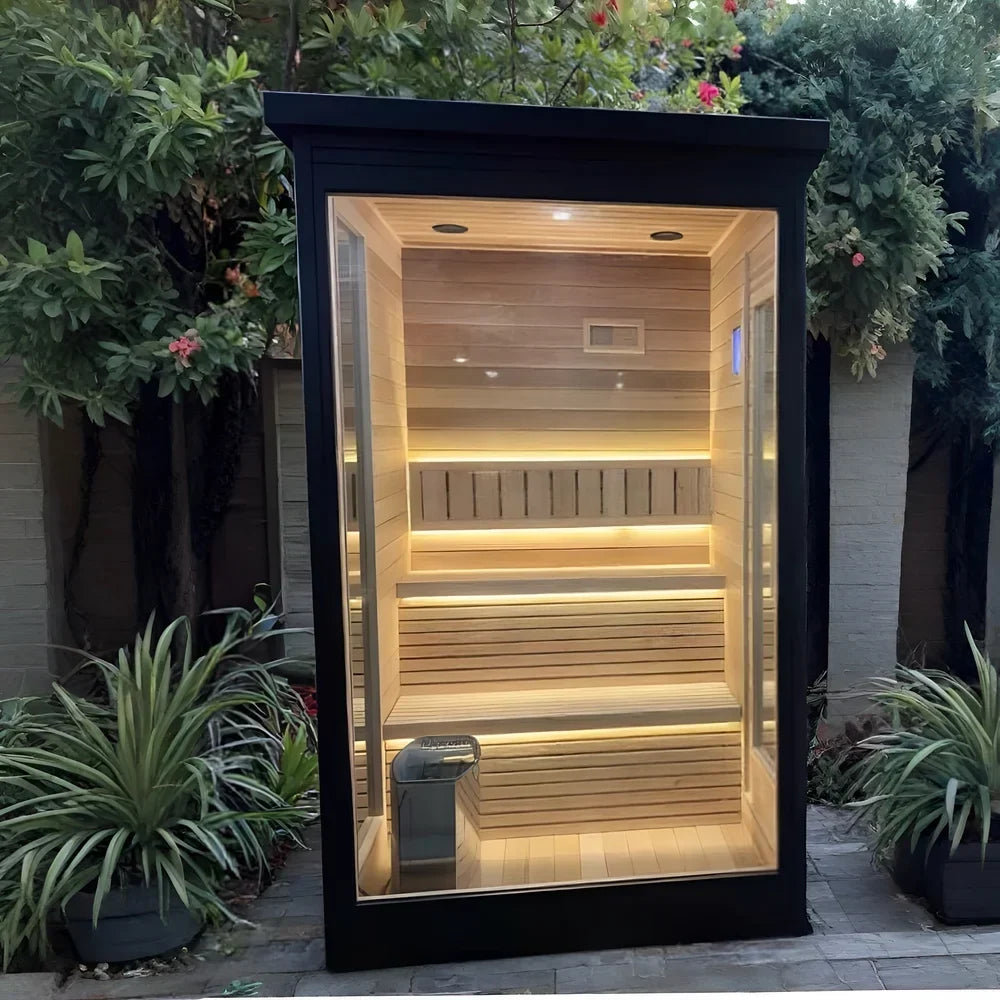
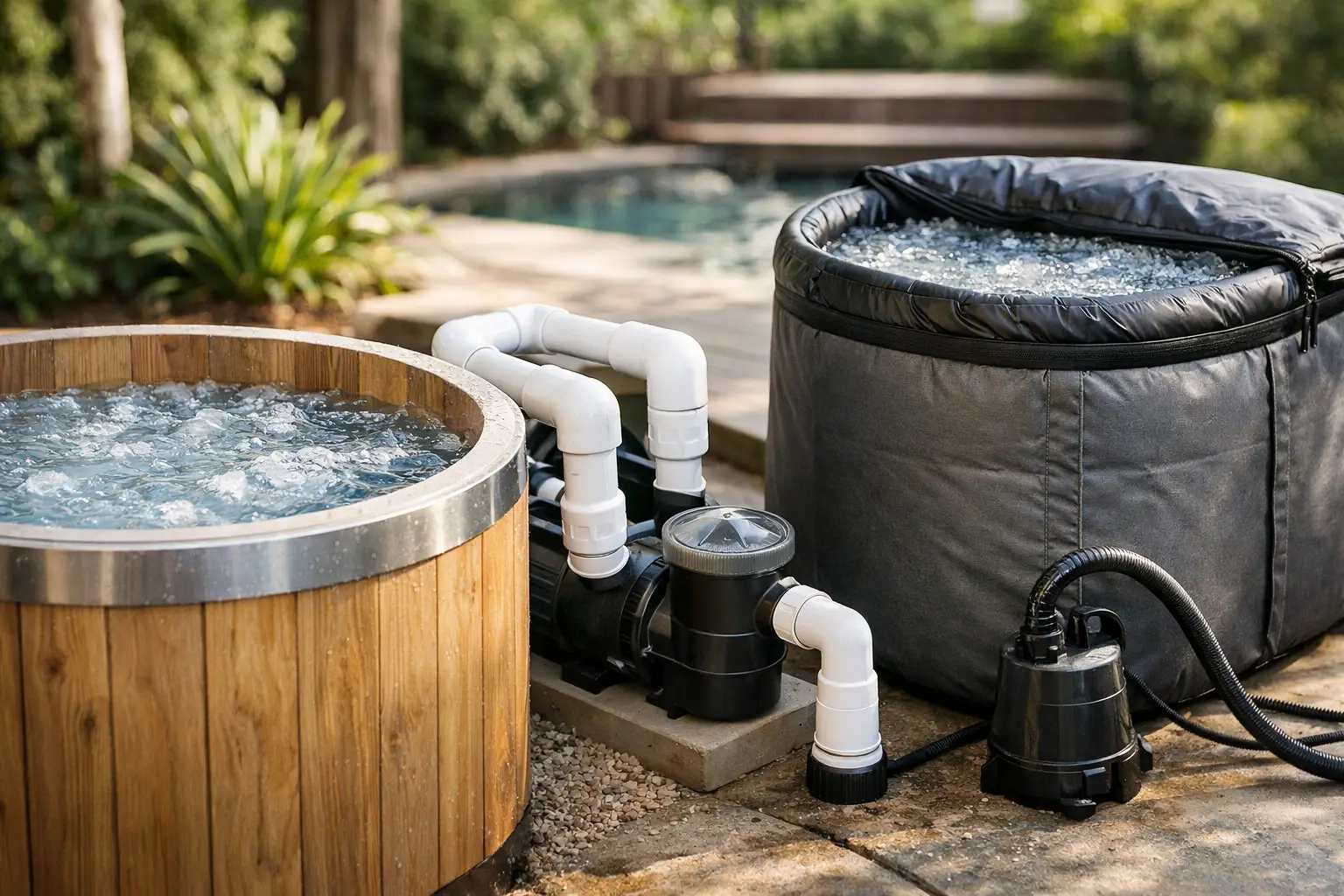
A cold plunge can look effortless beside a sauna, beneath mature trees, or at the edge of a quiet deck. Yet before choosing the view, most homeowners ask the practical question: does a cold plunge need plumbing? Often, no. But the answer depends on how you want to fill it, drain it, maintain the water, and use the space over time.
For some properties, a self-contained plunge with a hose connection offers the right balance of flexibility and refinement. For others, especially a dedicated wellness pavilion or hospitality setting, permanent water and drainage create a more polished, lower-effort experience. The best choice is the one that supports your ritual without adding friction to it.
Does a Cold Plunge Need Plumbing? The Short Answer
A cold plunge does not automatically need permanent plumbing. Many modern plunge tubs are self-contained: you fill them with a garden hose, chill and filter the water through an integrated or adjacent system, and drain them periodically through a hose or drain outlet.
Permanent plumbing becomes more compelling when you want a built-in installation, frequent water changes, a more concealed equipment layout, or a guest-facing experience with minimal hands-on maintenance. A plumbed setup may include a dedicated cold-water supply, a drain line, and sometimes an outdoor shower nearby for rinsing before and after a session.
The distinction matters because water supply and water disposal are separate decisions. Filling a tub from a hose is simple. Draining hundreds of gallons safely and responsibly is where thoughtful site planning becomes essential.
Two Paths: Self-Contained or Plumbed
Self-contained cold plunges
A self-contained cold plunge is typically the easiest path for an existing patio, pool terrace, garden room, or deck. The tub sits on a stable, level surface, while a chiller circulates, filters, and cools the water. Depending on the model, the chiller may sit beside the tub or be integrated into its form.
You can usually fill this style of plunge with a standard hose connection. When it is time to refresh the water, a drain hose can direct water to an approved outdoor area or other suitable drainage point. This approach avoids the cost and permanence of trenching water and waste lines through a finished landscape.
It is especially appealing for homeowners who may adjust their outdoor layout over time. A self-contained plunge can move with a redesigned terrace, a new sauna, or a future outdoor studio. It also tends to make sense for seasonal use in temperate climates, provided the equipment is winterized according to the manufacturer’s guidance.
The trade-off is that water changes require a little more attention. You will need a practical route for the fill hose and drain hose, plus enough space to access filters, controls, and the chiller for routine care.
Plumbed cold plunge installations
A permanently plumbed cold plunge feels most natural in a purpose-built wellness space. Think of a cedar sauna and plunge tucked into a garden retreat, a pool house designed for recovery, or a glamping property where guests expect an elevated, intuitive experience.
In this arrangement, a contractor may connect a water supply line for convenient filling and a dedicated drain line for emptying the vessel. Plumbing can be concealed within a wall, deck, equipment room, or landscape edge, keeping the setting visually calm. It can also make cleaning and water replacement more efficient when the plunge sees frequent use.
A plumbed design requires more upfront coordination. You will need to consider local building requirements, drain connections, shutoff valves, freeze protection, and access to the equipment behind the finished surfaces. The added investment is worthwhile when the plunge is intended to feel like a permanent architectural feature rather than a standalone wellness appliance.
Water In Is Easy. Water Out Deserves a Plan.
A cold plunge holds a meaningful amount of water. One gallon weighs about 8.34 pounds, and even compact models can hold well over 100 gallons. That affects not only where the tub sits, but also where its water goes when you drain it.
Do not assume you can release plunge water directly onto a lawn, planting bed, or sloped portion of the property. The answer depends on local rules, site grading, the volume of water, and what treatment products have been used. Chlorine, bromine, salt systems, and other sanitizers all have different considerations. A qualified installer or plumber can help identify an appropriate discharge route.
For a permanent installation, a properly designed drain is usually the cleanest solution. For a self-contained model, you may be able to use an approved cleanout, landscape drainage location, or other permitted connection. The goal is to avoid pooling near foundations, soaking a deck structure, eroding a hillside, or creating muddy paths through a landscape meant for rest.
Plan the Site Before You Choose the Tub
Plumbing is only one part of a well-considered cold plunge installation. The setting should support the way you want to arrive, use the space, and recover afterward.
Begin with the base. A plunge needs a level surface that can safely carry the combined weight of the vessel, equipment, and water. Concrete pads are a common choice, though some decks and platforms can work when they have been engineered for the load. A slightly imperfect garden corner can become a costly problem once several hundred pounds of water are involved.
Then consider the path. You will want a comfortable, non-slip route from the house, sauna, or changing area to the plunge. Stone, textured tile, and well-finished decking can make the transition feel intentional, while a robe hook, towel storage, and soft exterior lighting turn a quick session into a restorative ritual.
Equipment placement matters, too. Chillers need airflow and service access. A screen, slatted enclosure, or planting scheme can soften their visual presence, but avoid sealing equipment into a tight compartment. Leave room for ventilation, filter changes, and future repairs.
Finally, plan for electricity. Most electrically cooled plunges require a properly installed GFCI-protected outlet, and some units require a dedicated circuit or a higher-voltage connection. Avoid extension cords in a wet outdoor environment. A licensed electrician should confirm the requirements for your specific model before the installation begins.
When Permanent Plumbing Is Worth It
Permanent plumbing is often the right choice when the plunge is part of a larger outdoor transformation. If you are building a sauna courtyard, an ADU with a wellness deck, or a guest experience that needs to work beautifully without daily intervention, concealed water and drainage lines can protect the ease and visual clarity of the design.
It can also be valuable for vacation-rental hosts and glamping operators. A cold plunge that welcomes frequent guest turnover needs a maintenance plan that is dependable, sanitary, and easy for staff to manage. Convenient filling, controlled draining, filtration access, and durable surrounding materials are not luxuries in that context. They are part of the operating rhythm.
For a private home, the decision is more personal. If you imagine using your plunge a few times each week and enjoy a simple, flexible setup, permanent plumbing may be unnecessary. If your goal is a lasting retreat where every element feels integrated, plumbing may be one of the invisible details that makes the experience feel effortless.
Questions to Settle Before Installation
Before ordering a cold plunge or finalizing its location, clarify these practical details with your installer, electrician, and, when needed, local permitting office:
- How much does the filled plunge weigh, and can the proposed surface support it?
- Where will you connect the fill hose or water line?
- Where will drained water go, considering local regulations and your sanitation method?
- What electrical circuit, outlet protection, and weather protection does the chiller require?
- Can you reach the filters, controls, drain valve, and service panels without dismantling the surrounding design?
- What is the winter plan if your property experiences freezing temperatures?
These decisions are far easier to make before a deck is finished, stone is laid, or landscaping is planted around the vessel.
A Beautiful Setup Still Needs a Care Routine
Whether your cold plunge is plumbed or self-contained, plumbing does not replace water care. Filtration, sanitation, circulation, and regular testing help keep the water clear and comfortable. The exact routine depends on the tub, your water source, how often it is used, whether users rinse first, and the manufacturer’s recommended treatment system.
A fitted cover is one of the simplest ways to reduce debris, retain cooling efficiency, and keep maintenance manageable. It also preserves the visual calm of the space. When the cover lifts, the plunge should feel ready for you, not like another outdoor chore waiting to be handled.
At Tanari Earth, we see the strongest outdoor wellness spaces as places where function quietly supports feeling. A hose-fed plunge can be every bit as restorative as a fully plumbed installation when it is placed with care, maintained well, and woven into the rhythm of your home.
Choose the setup that lets you step outside, breathe the cooler air, and enter the water without giving the infrastructure a second thought.

