
Cart
0
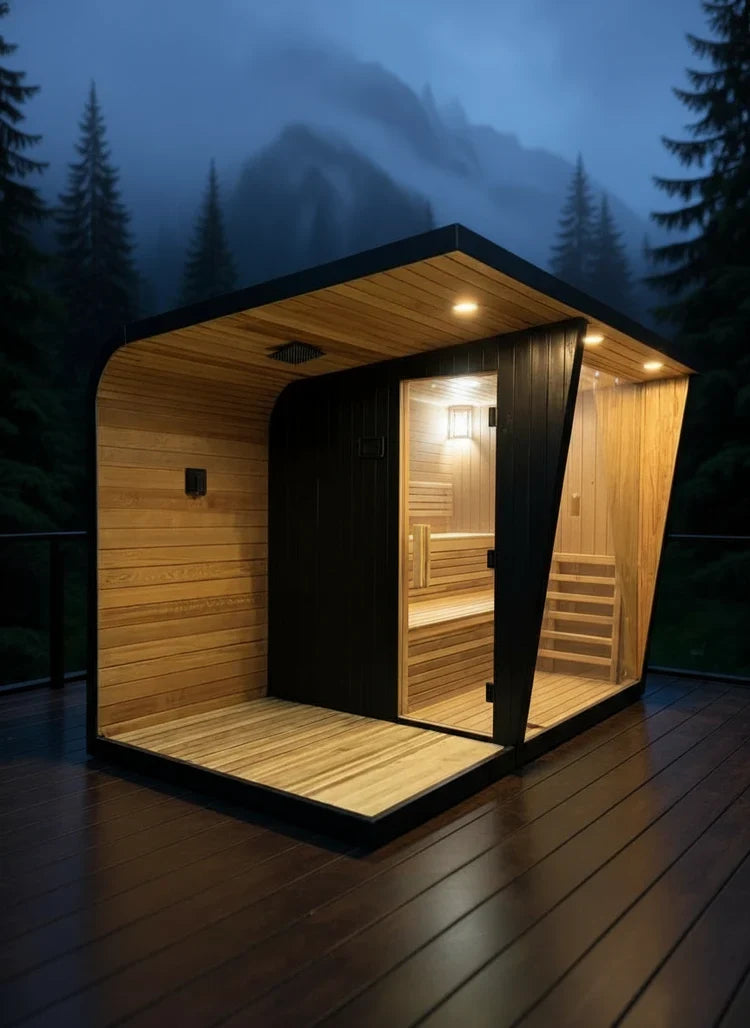
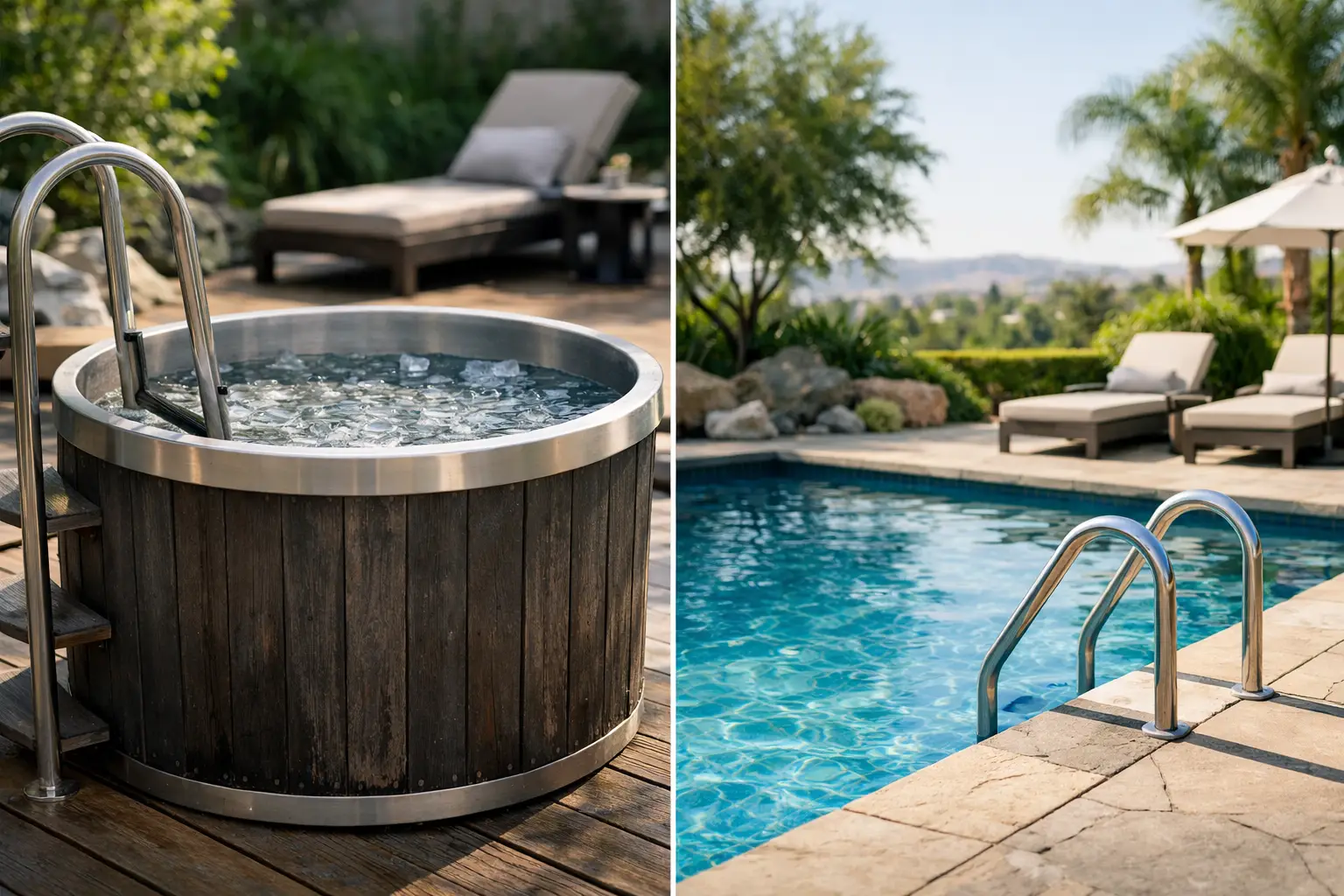
A cold-water ritual can change the rhythm of an outdoor space. It creates a reason to step outside before the day begins, to slow down after a sauna session, or to offer guests an experience they remember long after a weekend away. When considering a cold plunge tub vs pool, the right choice is less about which option is better in the abstract and more about how you want your retreat to feel, function, and evolve.
A dedicated plunge tub offers precision and intimacy. A cold pool brings scale, versatility, and visual drama. Both can become a beautiful part of a nature-centered wellness setting, but they ask different things of your property, your routine, and your design vision.
Cold Plunge Tub vs Pool: The Essential Difference
A cold plunge tub is designed for one job: brief, intentional immersion in cold water. Most are compact enough for one or two people and pair a contained footprint with a chiller or other cooling system that holds water at a chosen temperature. The experience is focused. You enter, breathe, stay present, and emerge refreshed.
A cold pool is a larger vessel, often built in-ground or installed as a substantial above-ground feature. It may be kept cool year-round, used at cold-plunge temperatures during certain seasons, or function as a refreshing swim and soaking pool when the weather is warm. Its appeal lies in its flexibility and its ability to anchor an outdoor landscape.
That distinction shapes nearly every decision that follows. A plunge tub is a wellness tool with a refined visual presence. A cold pool is a landscape feature that can also support a wellness practice.
Choose a Cold Plunge Tub for a Focused Daily Ritual
For homeowners who want cold exposure to become part of a consistent routine, a dedicated tub is usually the more practical choice. The water temperature can be managed with greater accuracy, which matters when you prefer a repeatable experience rather than relying on weather, ice, or a large volume of water that takes longer to cool.
A quality tub also requires less water than a pool. That means faster temperature adjustments, simpler draining when needed, and a more contained approach to ongoing care. Many owners appreciate that a tub feels ready when they are ready, whether that is five quiet minutes before work or a deliberate reset after an evening sauna.
Its smaller scale can be a design advantage. A cedar sauna, cold plunge tub, outdoor shower, and a few well-placed lounge chairs can create an intimate thermal circuit without overtaking the yard. Framed by screening plants, stone pavers, or a view of the trees, the arrangement feels like a private spa rather than a collection of equipment.
A plunge tub is especially well suited to compact properties, secondary patios, guest suites, and hospitality settings where the ritual itself is part of the stay. It can make a small footprint feel remarkably considered.
What to plan for with a plunge tub
Even a compact cold plunge needs thoughtful placement. The site should have a level, load-bearing base, convenient electrical access where required, and a drainage plan that keeps discharged water away from structures and neighboring properties. Consider privacy, too. Cold exposure can be invigorating, but few people want the experience to feel exposed.
You will also want to think about the transition around the tub. A stable path, towel hooks, a bench, warm outdoor lighting, and a place to set down a robe make the ritual more inviting. These details are modest, but they are often what turn an occasional novelty into a habit.
Choose a Cold Pool for Scale and Shared Experience
A cold pool is compelling when the goal reaches beyond personal recovery. It can become the visual and social center of an outdoor oasis, particularly on a larger estate, a retreat property, or a vacation rental designed around memorable amenities.
Unlike a compact tub, a pool gives people room to move, wade, and enjoy the water together. It can support a range of uses across the year: a bracing dip after heat therapy, a cool gathering place in summer, or an elegant backdrop for outdoor entertaining. For hosts, that flexibility can make the investment feel more expansive.
A well-designed cold pool also creates opportunities for a more immersive landscape. Natural stone coping, a timber deck, native planting, and a nearby sauna can make the entire setting feel integrated with its surroundings. The water becomes part of the architecture of the property, reflecting sky and greenery even when no one is using it.
The trade-off is complexity. Larger water volume means more time, energy, and equipment to maintain a true plunge temperature. If the pool is meant to stay consistently cold in a warm climate, cooling capacity, insulation, circulation, and a protective cover deserve close attention from the beginning.
What to plan for with a cold pool
Pools generally involve a more substantial investment in design, permits, excavation or structural preparation, plumbing, and safety measures. Local requirements may address barriers, gates, covers, electrical work, and drainage. These considerations are not limitations, but they should be part of the vision early rather than after materials have been selected.
Maintenance is also more involved. A larger body of water needs filtration, sanitation, balancing, debris removal, and seasonal attention. A pool professional can make this manageable, but it remains a real operating commitment. For a high-use hospitality property, that may be entirely worthwhile. For a household seeking a simple morning ritual, it may be more infrastructure than necessary.
Temperature Control Changes the Experience
Cold exposure is personal. Some people enjoy a brief immersion in water around 50 to 59 degrees Fahrenheit, while experienced users may prefer colder conditions. Comfort, health history, the duration of immersion, and the guidance of a qualified healthcare professional all matter. Cold plunging is not a contest, and colder is not automatically better.
This is where a dedicated tub often has an advantage. Its contained volume and purpose-built cooling system can hold a consistent target temperature with less effort. That predictability makes it easier to establish a safe, measured routine.
A pool can certainly be chilled, but maintaining very cold water at scale requires more energy and planning. In coastal or cooler regions, ambient conditions may help. In sunny, high-temperature areas, a pool may be better viewed as a cool-water feature unless the project budget includes the equipment needed for reliable cold operation.
If you plan to alternate sauna heat with cold water, proximity matters as much as temperature. The most satisfying contrast therapy spaces have an easy, safe route between the two. A few steps across a warm deck is more appealing than crossing a large yard in wet feet.
Consider Maintenance, Energy, and Water Care Honestly
The more regularly you use your cold-water feature, the more important upkeep becomes. A plunge tub typically has a smaller volume to filter and treat, though it still needs a disciplined care routine. Depending on the system, that may include filtration checks, water testing, sanitation, periodic deep cleaning, and scheduled water changes.
A pool follows the same principles at a larger scale. It brings greater capacity, but also greater responsibility. Covers are valuable for both options because they help keep out leaves, preserve water quality, and reduce the energy needed to maintain temperature.
There is no universal low-maintenance answer. A premium plunge tub with advanced chilling and filtration may be easier to manage than a pool, but it still needs attention. A professionally serviced pool can be relatively effortless for the owner, but it carries a higher ongoing cost. Choose the level of stewardship that fits the way you actually live.
Let the Property Guide the Design
The best choice often becomes clear when you stop comparing products and start imagining the space. If your vision is a quiet wellness corner beside the sauna, where one or two people can reset beneath the trees, a cold plunge tub will likely feel proportionate and complete.
If you are shaping a destination property, creating a guest experience, or building a generous backyard intended for long afternoons and group gatherings, a cold pool may offer more return in atmosphere and versatility. It has the presence to define the setting.
Material choices help either option feel elevated. Warm wood against cool water, natural stone underfoot, understated lighting, and planting that softens the edges can create a retreat that feels settled into the landscape. The goal is not to recreate a commercial spa. It is to build a place that invites you outside, again and again.
At Tanari Earth, we see the most lasting outdoor wellness spaces as rituals made visible: a place to warm, cool, rest, and reconnect with nature. Choose the vessel that makes that ritual feel easy to return to, not merely impressive on the day it is installed.

