
Cart
0
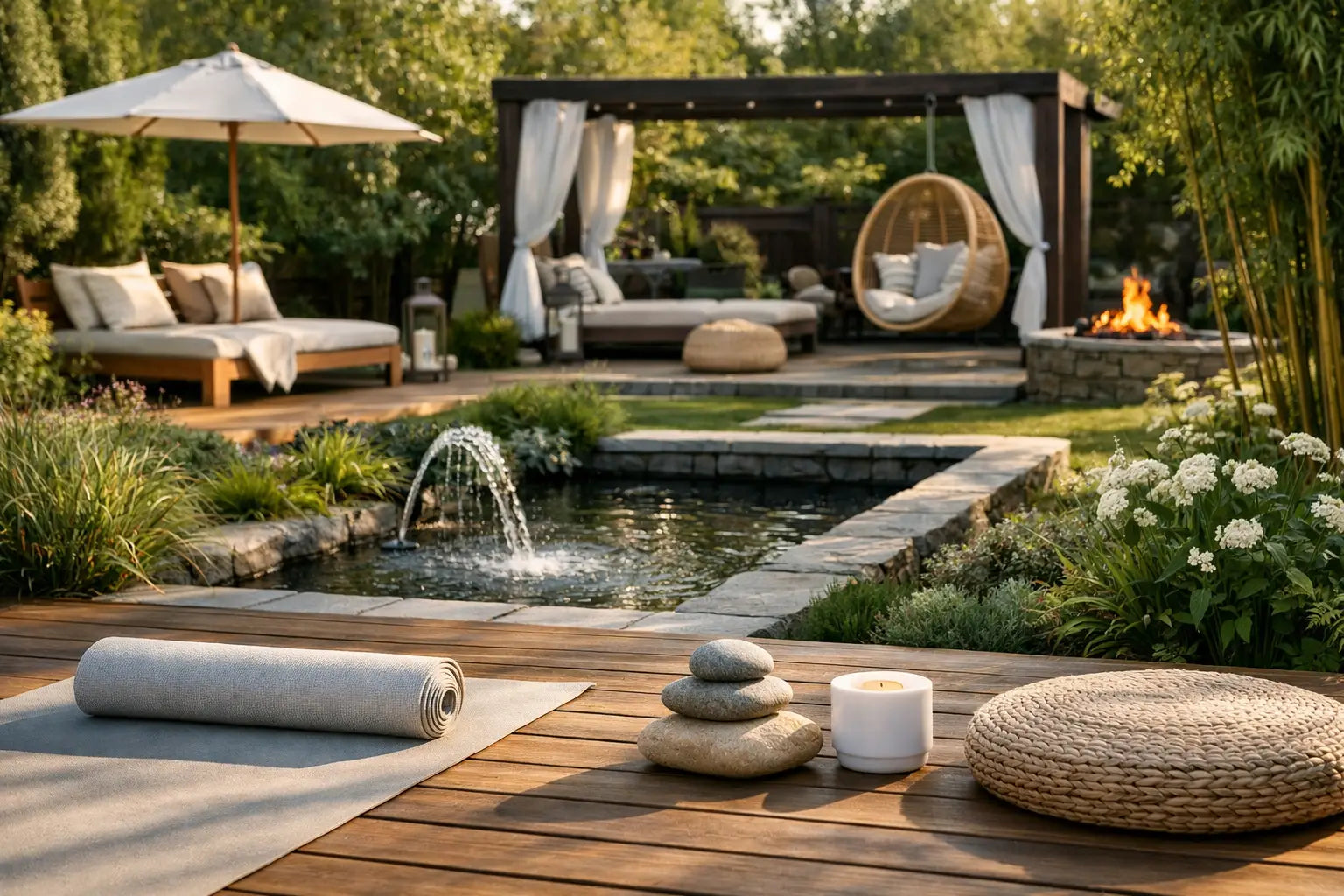
A beautiful outdoor retreat rarely starts with more square footage. It starts with a feeling. Maybe you want a quieter morning routine, a place to reset after work, or a guest experience that feels memorable rather than merely well appointed. This backyard wellness space guide is built around that shift - creating an outdoor setting that supports restoration, looks refined, and feels easy to return to day after day.
The most compelling wellness spaces do not feel crowded with features. They feel considered. A sauna, cold plunge, lounge deck, or garden path can all belong, but only if they work together as one experience. That is the difference between buying outdoor products and building a personal oasis.
What a backyard wellness space should actually do
Before choosing materials or placement, define the role the space will play in your life or on your property. For some homeowners, the goal is daily ritual: heat, cold, rest, repeat. For others, it is a visual sanctuary viewed from the kitchen or primary suite, with the option to use it more deeply on weekends. If you host guests or run a short-term rental, the purpose may lean toward experience design, where every element needs to photograph well and function intuitively.
That purpose matters because it shapes every decision that follows. A space designed for solitary recovery can be more enclosed, minimal, and intimate. A space intended for entertaining benefits from wider circulation, more seating, and stronger transitions between active and quiet zones. There is no single ideal layout. The right answer depends on how you want the space to feel when you step into it.
Start with the site, not the products
A practical backyard wellness space guide should begin with the land itself. Sun exposure, wind, slope, drainage, privacy, and access all influence what will work and what will become expensive to correct later.
A sunny location can be wonderful for a cold plunge deck or lounge area, but too much direct afternoon heat may make the entire setting less inviting in summer. Shade can create a softer, calmer mood, though it may also increase moisture retention and maintenance. If your property has a natural viewpoint, orienting the wellness area toward trees, garden layers, or open sky often creates more emotional impact than centering it on the house.
Access deserves more attention than many people give it. A sauna tucked into a far back corner may look dramatic, but if the walk feels inconvenient in winter or at night, usage often drops. The most successful spaces are usually close enough to reach effortlessly, while still feeling distinct from the routines of the house.
Create zones that support a ritual
Wellness spaces work best when movement through them feels natural. Rather than thinking in terms of isolated items, think in terms of sequence. Where do you arrive? Where do you undress or set down a towel? Where do you heat up, cool down, rinse off, and rest?
Most refined outdoor wellness layouts include three simple zones: an active ritual zone, a transition zone, and a rest zone. The ritual zone may hold the sauna and plunge. The transition zone might include a shower, hooks, a bench, or a small platform for towels and water. The rest zone is where the mood settles - loungers, a fire feature, a daybed, or a quiet seating area framed by greenery.
This sequencing matters. If the cold plunge sits too far from the sauna, the flow breaks. If the rest zone feels exposed to neighbors, you may not linger. If every element is crammed onto one patio, the experience can feel more recreational than restorative. A little spatial breathing room often adds more luxury than another feature.
Choosing the right elements for your backyard wellness space guide
The sauna is often the emotional anchor of the space. It gives form to the ritual and adds architectural presence. For many properties, a well-crafted outdoor sauna becomes both a wellness tool and a design statement. Placement should balance privacy, views, and practical utility connections. Materials matter here. Natural woods, clean lines, and restrained detailing tend to age better than trend-driven finishes.
A cold plunge introduces contrast and discipline. Some owners want a sleek, compact plunge beside the sauna for a classic circuit. Others prefer a more sculptural vessel that doubles as a visual focal point. The trade-off is often between aesthetics and daily ease. A dramatic statement piece can elevate the look of the yard, but maintenance access, cover storage, and entry comfort should still be considered early.
Outdoor showers are easy to underestimate. In practice, they often become one of the most used elements in the entire space. They soften transitions, support cleanliness, and reinforce the feeling of being outdoors rather than simply moving equipment outside. Even a simple shower wall with thoughtful privacy screening can change how complete the space feels.
For some properties, a dome, garden studio, or small outdoor room adds a deeper layer of use. This can create a place for meditation, bodywork, tea, reading, or overnight stays. It also gives the wellness area year-round flexibility. If your climate shifts or your use cases extend beyond bathing rituals, a sheltered structure may be the piece that makes the whole environment feel finished.
Design for calm, not clutter
Luxury in an outdoor wellness setting is usually quieter than people expect. It comes from proportion, texture, and restraint. Too many competing materials can make a premium installation feel busy. A tighter palette often feels more elevated - wood, stone, matte metal, gravel, soft planting, and warm neutral textiles.
The visual rhythm of the space matters just as much as the individual objects in it. Repeating tones and natural materials helps the eye settle. Large-format pavers can feel cleaner and more architectural, while gravel paths or decomposed granite soften the atmosphere and improve drainage. If you prefer a more organic look, looser planting and curved paths can feel gentle and immersive. If you want a modern retreat, stronger lines and fewer material changes usually work better.
Privacy is part of the design language. Fencing alone can solve visibility, but it does not always create beauty. Layered planting, slatted wood screens, and carefully positioned structures often feel more serene. The best privacy solutions protect the experience without making the space feel boxed in.
Comfort is what keeps the space in use
An aspirational design only works if it is easy to live with. Towels need a dry place to hang. Robes need storage. Pathways need safe footing when wet. Lighting should be soft but clear enough for evening use. Drainage should be handled before finishes go in, not after puddles appear.
This is where many backyard plans split into two camps: the photogenic and the functional. The strongest projects do both. Heated changing areas may be worth considering in colder regions. Covered walkways can improve comfort between structures. Benches that resist weathering and surfaces that stay comfortable under bare feet are small details that make daily rituals more inviting.
Maintenance is part of comfort too. If the materials stain easily, the covers are awkward, or the layout makes cleaning difficult, the space starts to feel like work. A premium environment should lower friction. Ease of care is not a compromise. It is part of the luxury.
Budgeting with intention
A backyard wellness space guide should be honest about investment. The cost is rarely just the feature itself. Site prep, electrical work, foundations, drainage, screening, decking, lighting, and landscaping can all shape the final number.
That does not mean you need to build everything at once. In fact, phased projects often feel more thoughtful. Start with the core ritual - perhaps sauna, plunge, and a simple deck. Then add screening, planting, a shower, or a studio structure as the space proves how you use it. This approach lets you protect quality where it counts rather than stretching the budget too thin across too many parts.
For hospitality properties, there is another layer to consider: guest behavior. Durable finishes, easy instructions, intuitive circulation, and low-maintenance systems matter even more when the users are not the owners. For private homes, the return is less about nightly revenue and more about how often the space genuinely improves your days.
The feeling should guide the finish
When people imagine a home wellness retreat, they often focus first on products. A more useful approach is to define the atmosphere with equal care. Do you want the space to feel Nordic and minimal, warm and organic, or sculptural and resort-like? Those choices influence everything from cladding and lighting to plant selection and furniture shape.
This is where a brand like Tanari Earth resonates so strongly with design-conscious buyers. The goal is not simply to place a sauna in the yard. It is to create an outdoor environment that supports rest, beauty, and ritual as one continuous experience.
A well-made wellness space changes the tempo of home life. It gives you somewhere to step out of noise without leaving your property. If you build with clarity, restraint, and comfort in mind, the result will not just look elevated. It will become a place you return to with intention.

