
Cart
0
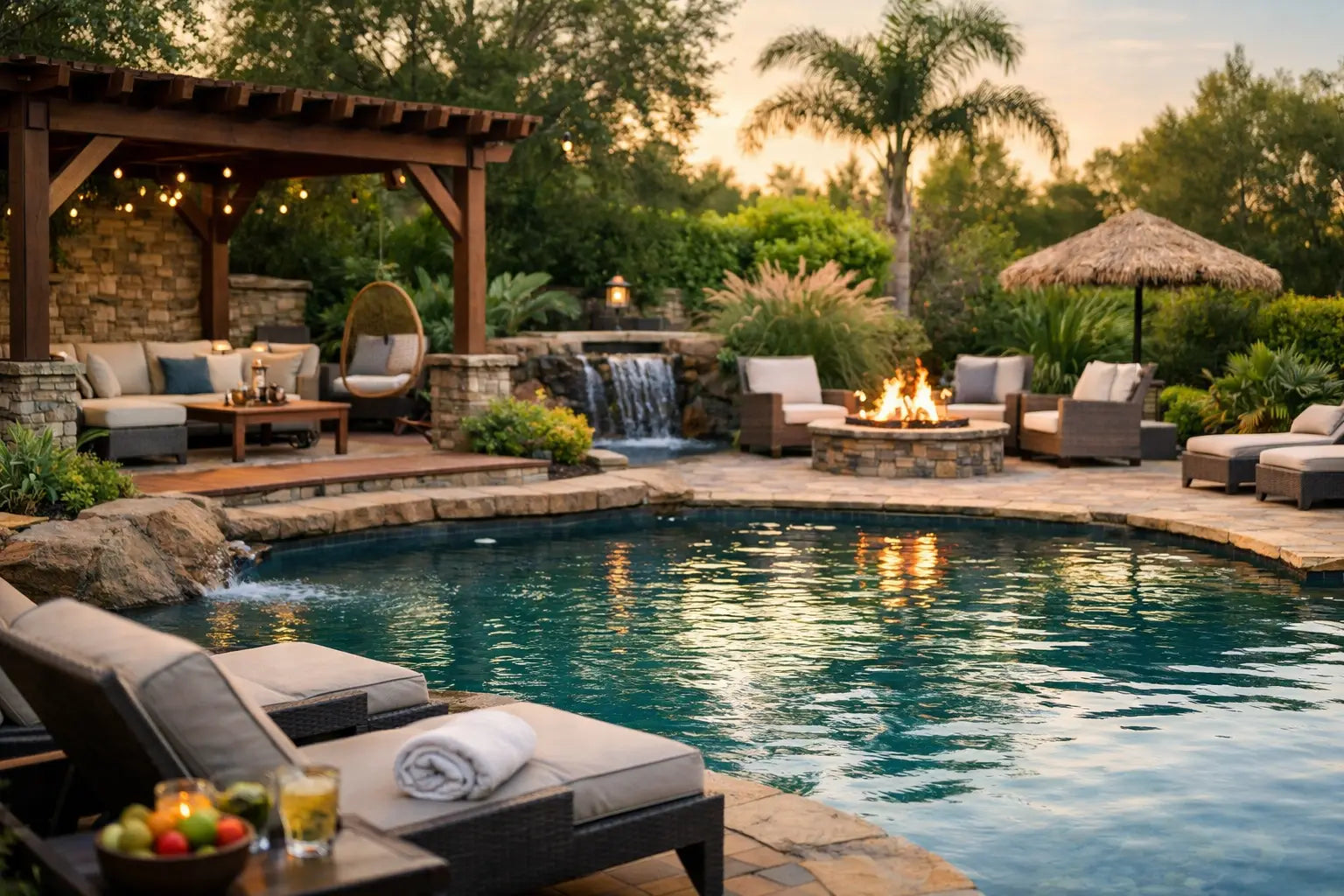
A beautiful backyard rarely feels restorative by accident. The spaces that truly slow you down usually have one thing in common - they are designed around how you want to feel the moment you step outside. The best backyard oasis design ideas are not about filling a yard with features. They are about shaping a retreat that feels calm, layered, and easy to return to every day.
For some homes, that means a quiet sauna tucked behind soft planting. For others, it means a cold plunge beside a cedar deck, a covered lounge for evening light, or a garden path that makes the whole property feel more private. The goal is not more. The goal is better.
Start with the feeling, not the floor plan
Before choosing furniture, structures, or finishes, decide what your outdoor space is meant to do for you. A family that wants long weekend gatherings needs a different layout than a homeowner creating a solo wellness retreat. A vacation rental host may want strong visual impact and guest-friendly flow, while a primary residence may need deeper privacy and year-round comfort.
This first decision changes everything. If restoration is the priority, the design should support quiet transitions, soft textures, and a slower pace of movement. If entertaining matters most, the yard may need more open circulation, broader seating zones, and stronger lighting. The most successful backyard oasis design ideas begin with a clear emotional brief.
Create zones that feel connected
A luxury outdoor space works best when each area has a purpose, but the whole yard still feels unified. That usually means thinking in experiences rather than objects. Instead of asking where to place a plunge tub, ask how someone will move from heat to cool water to rest. Instead of dropping a dining set on a patio, think about where meals feel sheltered, where morning coffee gets the best light, and where sunset deserves a view.
Wellness zone
This is often the anchor of the backyard. A sauna, cold plunge, outdoor shower, or quiet deck can create a ritual-centered area that feels distinctly separate from the rest of the property. Natural screening, warm wood, and a strong sense of enclosure help this zone feel protected rather than exposed.
Lounge zone
A lounge area should invite people to stay. Deep seating, filtered shade, and tactile materials matter more than oversized square footage. Even a compact backyard can feel elevated if the lounge area is framed with intention.
Dining or gathering zone
If you entertain often, give dining its own identity. That may be a pergola, a gravel court, or a terrace edged with planting. The key is making it feel like a destination, not leftover patio space.
Use materials that age well
The quickest way to lose the oasis feeling is to choose finishes that look harsh, trendy, or high-maintenance after one season. Premium outdoor design tends to feel calm because the materials are restrained. Wood, stone, plaster, gravel, and muted metals have a way of settling into the landscape instead of competing with it.
Cedar and thermally modified wood bring warmth and softness, especially around saunas, decks, and privacy screens. Natural stone adds permanence, but the exact cut matters. Rougher finishes feel grounded and organic, while polished surfaces can read more contemporary and formal. Gravel is often overlooked, yet it can be one of the most effective materials for creating quiet, elegant transitions between zones.
It depends on your climate, of course. In hot, dry regions, pale finishes can keep surfaces cooler and reflect light beautifully. In wetter areas, drainage, slip resistance, and mildew resistance should guide the selection process. A material that photographs well is not always the one that lives well.
Make privacy feel natural
Privacy is one of the strongest signals of luxury, but it should not feel defensive. Tall fencing alone can make a space feel boxed in. A better approach is layered screening.
Use planting, slatted wood panels, canopy trees, and subtle grade changes to create a sense of retreat. A line of ornamental grasses may soften the edge of a plunge area. A small grove of bamboo or clumping trees can shield a sauna without making the yard feel closed off. Screens can also shape views, revealing one focal point while hiding less attractive boundaries.
This is especially important for outdoor wellness spaces. Heat, water, and rest all feel better when you are not visually sharing the experience with a neighboring property.
Bring in one statement feature
Not every backyard needs multiple headline elements. In fact, one well-placed feature often creates a stronger experience than several competing upgrades. The statement piece might be a barrel sauna, a sleek cold plunge, a glamping dome, or a custom outdoor studio that extends the way the property is used.
The trick is placement. A sauna set at the end of a garden path feels more immersive than one placed directly beside the back door. A plunge pool framed by stone and planting feels intentional, while the same unit dropped onto an open slab can feel temporary. Structures and wellness pieces should look integrated into the landscape, not simply installed in it.
For homeowners who want both visual impact and daily use, this is where Tanari Earth’s approach feels especially relevant - the most compelling outdoor products are the ones that support a complete ritual, not just a single function.
Design for transitions, not just destinations
Some of the best backyard oasis design ideas happen between the main zones. A path of decomposed granite underfoot. A bench outside the sauna for cooling down. A small platform for towels, robes, or tea. A planted edge that catches the breeze as you move from one area to another.
These in-between moments shape how the space is experienced. They make the yard feel composed and generous. Without them, even expensive features can feel abrupt.
A wellness-focused backyard especially benefits from this kind of thinking. Heat, cold, rest, and reflection all ask for transition time. Designing those pauses into the landscape makes the space more restorative and more usable.
Light the space softly
Outdoor lighting can elevate a yard or flatten it. Bright overhead fixtures often make a space feel exposed, while layered, low-level lighting creates depth and ease. The goal is not to light every corner equally. It is to guide movement and create atmosphere.
Path lighting, integrated step lights, concealed uplighting on trees, and warm sconces on structures tend to feel more refined than flood-style fixtures. Around a sauna or plunge area, softer light is usually the better choice. It keeps the mood quiet and helps the space feel like an evening ritual rather than a recreation zone.
There is a trade-off here. Minimal lighting is more serene, but it may not offer enough visibility for larger gatherings or guest-heavy properties. If your yard serves both private relaxation and entertaining, consider separate lighting scenes so the mood can shift with the occasion.
Let planting do more of the work
Landscaping should not be an afterthought around hardscape and structures. It is often the element that turns a high-end installation into a true retreat. Planting softens edges, cools the environment, filters views, and adds the sense that the space belongs to its setting.
A restrained planting palette usually feels more luxurious than a crowded one. Repeating a few sculptural grasses, evergreen forms, and flowering accents creates calm. Fragrance can also play an important role. Lavender, jasmine, rosemary, and other aromatic plants add another sensory layer near seating, walkways, and wellness zones.
If maintenance is a concern, choose fewer species and invest in proper spacing. An oasis should not become a burden by midsummer.
Build for year-round use
The most satisfying outdoor spaces are not designed for one perfect month. They are designed to be used through changing seasons. Shade structures, wind protection, heaters, covered seating, and durable surfaces all extend the life of the space.
A cold plunge may be invigorating year-round, but the surrounding materials need to handle moisture and temperature changes. A sauna becomes even more appealing in colder months, which makes nearby shelter, robe hooks, and protected circulation more important than they first appear. Even a small covered zone can make the yard feel usable on cool mornings or drizzly evenings.
This is where thoughtful investment pays off. A beautiful space that only works on mild weekends will not become part of your routine. A space that supports daily use starts to change how home feels.
Keep the palette quiet
When a backyard tries too hard to impress, it often loses the restful quality people were looking for in the first place. A quieter palette tends to create a stronger long-term result. Think warm neutrals, weathered woods, soft green planting, charcoal accents, and natural textures.
That does not mean boring. Contrast can still be powerful, especially when used with restraint. Dark cladding against pale stone. A smooth plunge basin beside textured gravel. Matte black fixtures against cedar. The difference is that each element supports the larger mood instead of demanding attention on its own.
What to prioritize first
If you are building in phases, start with the elements that shape experience most directly: layout, privacy, surfaces, and one anchor feature. Furniture, styling, and secondary accessories can follow. This order helps the space feel complete early, even if every detail is not installed at once.
It also keeps budgets focused on what actually changes daily use. A beautifully screened sauna deck or a well-placed plunge zone often delivers more value than decorative extras spread across the yard.
The best outdoor retreats do not announce themselves loudly. They invite you out in the morning, draw you back at sunset, and make ordinary routines feel slower, quieter, and more intentional. If your backyard can do that, it is already becoming something rare.

