
Cart
0

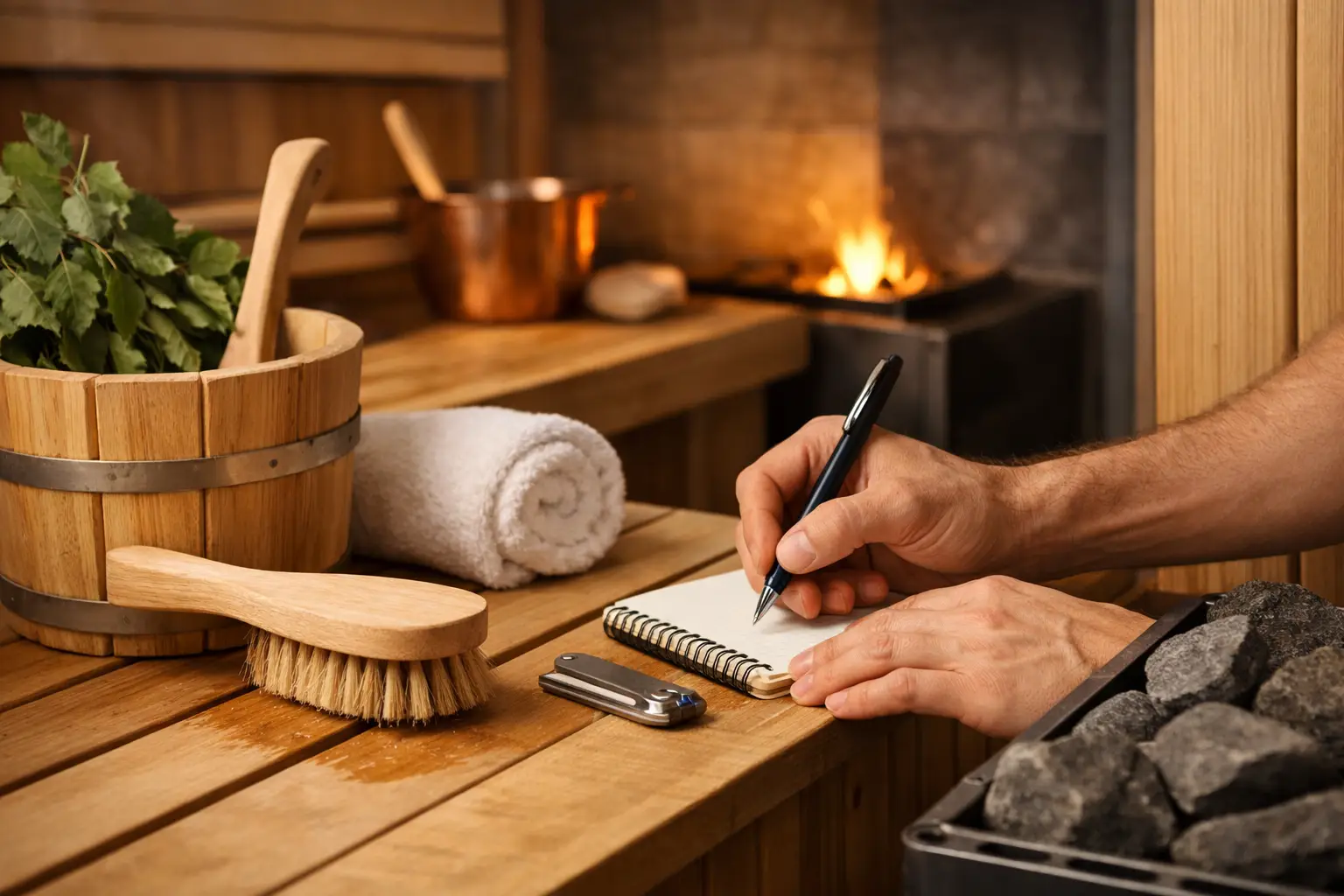
A beautiful outdoor sauna asks very little in return: a few thoughtful habits that preserve the warmth, clean air, and natural materials that make each session feel restorative. This sauna maintenance checklist is designed for homeowners and hospitality hosts who want their sauna to remain a refined part of the landscape, not another demanding property project.
Maintenance is less about constant work than protecting the details that shape the experience. Dry benches feel more inviting. A clean heater warms more reliably. Well-cared-for wood develops character without absorbing moisture, oils, or harsh chemical residue. With a simple rhythm, your sauna can stay ready for quiet mornings, post-plunge resets, and unhurried evenings outside.
Start With the Right Mindset for Sauna Care
The interior of a sauna is intentionally simple, but it operates in an extreme environment. Heat, humidity, body oils, and outdoor weather all place demands on its wood, heater, ventilation, and foundation. The best care is preventive: remove moisture before it lingers, address small changes early, and use products gentle enough for the materials and the people who will enjoy the space.
Your routine will vary according to how often the sauna is used, whether it is electric or wood-fired, and where it sits on the property. A lightly used personal sauna may only need a close inspection once a month. A sauna at a vacation rental or glamping property should receive a brief reset after each guest stay and a more structured review between busy periods.
Avoid treating the sauna interior like a standard bathroom. Strong cleaners, bleach, fragrant sprays, and high-pressure water can damage wood, leave fumes behind, or create a surface that feels less natural under bare skin. Warm water, a soft cloth, mild soap when needed, and good ventilation do most of the work.
Sauna Maintenance Checklist After Each Use
The smallest habits have the greatest effect over time. After a session, allow the sauna to cool enough to handle comfortably, then take a few minutes to restore the space.
- Remove towels, water bottles, robes, and any accessories so moisture is not trapped against the wood.
- Wipe benches, backrests, headrests, door handles, and floor areas with a clean damp cloth. Use a small amount of mild, sauna-safe soap only where needed.
- Leave the door and vents open after use to encourage a full dry-out. If your model includes adjustable ventilation, follow its operating guidance rather than blocking the airflow.
- Check the heater area for anything out of place, including fallen debris, shifted stones, or objects left too close to the heat source.
- If you use water on sauna stones, make sure it is clean water without oils, salts, or additives unless the sauna manufacturer specifically approves them.
A quick wipe-down is especially worthwhile when guests use the sauna. It keeps the room feeling considered and welcoming while reducing the chance of perspiration or spilled water settling into the grain of the wood.
Care for Benches and Interior Wood
Sauna-grade cedar, hemlock, spruce, and other suitable woods are chosen because they handle heat gracefully. Still, untreated wood is porous. If a mark appears, clean it early with a damp cloth and mild soap, then dry the surface thoroughly. For persistent discoloration, use a very fine sanding approach only if recommended for your sauna's wood species and finish.
Do not paint, varnish, or seal interior benches with ordinary wood products. Many finishes are not made for sauna temperatures and can release odors or make the surface unpleasantly hot. If protection is needed, choose a product explicitly formulated for sauna interiors and apply it only according to its instructions.
For a more polished guest experience, encourage bathers to sit on towels. It is a small ritual that protects the benches while making the sauna feel more personal and prepared.
Weekly and Monthly Checks That Prevent Repairs
Once a week during regular use, sweep or vacuum the floor to remove leaves, hair, dust, and grit. Outdoor saunas naturally collect more of the landscape than indoor models, particularly near wooded areas or gravel paths. A clean floor prevents debris from holding dampness in corners and helps preserve the calm visual simplicity of the room.
Every month, spend 15 to 20 minutes looking beyond the benches. Check the door swing, handle, hinges, glazing, weatherstripping, and exterior trim. The door should close securely without scraping, but it should not be sealed so tightly that it disrupts intended ventilation. If hinges begin to squeak or resist, use a lubricant suitable for the hardware and keep it away from interior wood surfaces.
Inspect the floor, walls, and ceiling for signs of excess moisture: darkened patches, a persistent musty smell, softened wood, or visible mildew. These are not normal signs of sauna use. They often point to insufficient ventilation, a leak, or a sauna that is being closed up before it has dried.
Maintain the Heater and Sauna Stones
The heater is the heart of the sauna ritual, whether it is electric or wood-fired. Never clean, rearrange, or inspect it while hot. Once cool, remove loose dust and check that the heater guard remains stable and properly spaced.
For electric heaters, inspect the stones several times a year. Stones can crack and compact with repeated heating and cooling, limiting airflow around the heating elements. Remove broken pieces and restack sound stones loosely rather than packing them tightly. The exact timing depends on use: a frequently used sauna may need this check every few months, while a weekend retreat may need it once or twice a year.
For wood-fired models, empty ash only after the stove is completely cool. Ash buildup can reduce airflow and make lighting less efficient. Use dry, seasoned firewood and inspect the firebox, flue, and chimney regularly. A qualified chimney professional should clean and inspect the system on a schedule appropriate to your use, especially before the cooler season begins.
If an electric heater trips a breaker, heats unevenly, produces an unfamiliar odor after its initial curing period, or shows damaged wiring, stop using it and contact a qualified electrician or sauna service professional. Heat-related components are not a place for improvised repairs.
Protect an Outdoor Sauna From the Elements
A sauna built into a garden, pool terrace, forest edge, or hospitality setting needs exterior care that reflects its climate. Rain, sun, wind, snow, salt air, and falling debris all affect the outer shell differently. The goal is to protect the weather-facing materials without losing the natural character that made the sauna feel at home outdoors.
At least twice a year, inspect the roof, gutters if present, flashing, exterior cladding, and the ground around the structure. Clear leaves and branches that hold water against the roof or siding. Confirm that drainage moves away from the foundation, since standing water beneath a sauna can create long-term structural and moisture issues.
Exterior wood may need an appropriate UV- and weather-resistant treatment, but the schedule depends on the product, exposure, and desired appearance. A sauna in full California sun may need attention more often than one protected by mature trees. Test a small, discreet area before applying any exterior treatment, and never use exterior products inside the sauna.
In snowy climates, remove heavy snow loads from the roof with care and keep access paths safe. In coastal or humid locations, inspect metal hardware more often for corrosion. In dry climates, watch for cracking in exterior timber and reassess whether the structure is receiving adequate protection from intense afternoon sun.
Seasonal Sauna Maintenance Checklist
Seasonal care is a natural moment to reset the sauna before a new pattern of use begins. In spring, clear winter debris, inspect drainage, and look closely at the exterior after freeze-thaw conditions. In summer, focus on sun exposure, airflow, and keeping the sauna free of dust and insects.
Before fall and winter, test the heater, review exterior seals, and arrange chimney service for a wood-fired sauna. Make sure the electrical connection, lighting, and controls are working correctly before colder weather makes the sauna a more frequent ritual. If the sauna will sit unused for an extended period, clean and dry it fully, remove textiles, leave ventilation in the manufacturer-recommended position, and protect any exposed outdoor plumbing from freezing.
For properties with a cold plunge nearby, treat the two amenities as separate maintenance systems. The visual pairing is effortless, but sauna wood should not be routinely exposed to pool chemicals, splashback, or wet equipment. Place towels, rinse stations, and storage thoughtfully so the transition between heat and cold remains beautiful and manageable.
Keep a Simple Record of Care
A short maintenance log is useful, especially for a second home, rental property, or shared family retreat. Note when stones were inspected, exterior wood was treated, the chimney was serviced, or a professional checked the electrical system. Photograph any area that concerns you so small changes are easier to track across seasons.
This record also supports better decisions when you eventually refresh the sauna. You will know which surfaces receive the harshest weather, how often the heater needs attention, and where a small design improvement - such as a covered entry, better drainage, or dedicated towel storage - could make the entire ritual feel more effortless.
A well-kept sauna does more than last longer. It preserves the feeling that matters most: stepping out of the noise of the day, into warm wood and clean air, with the landscape just beyond the door.