
Cart
0
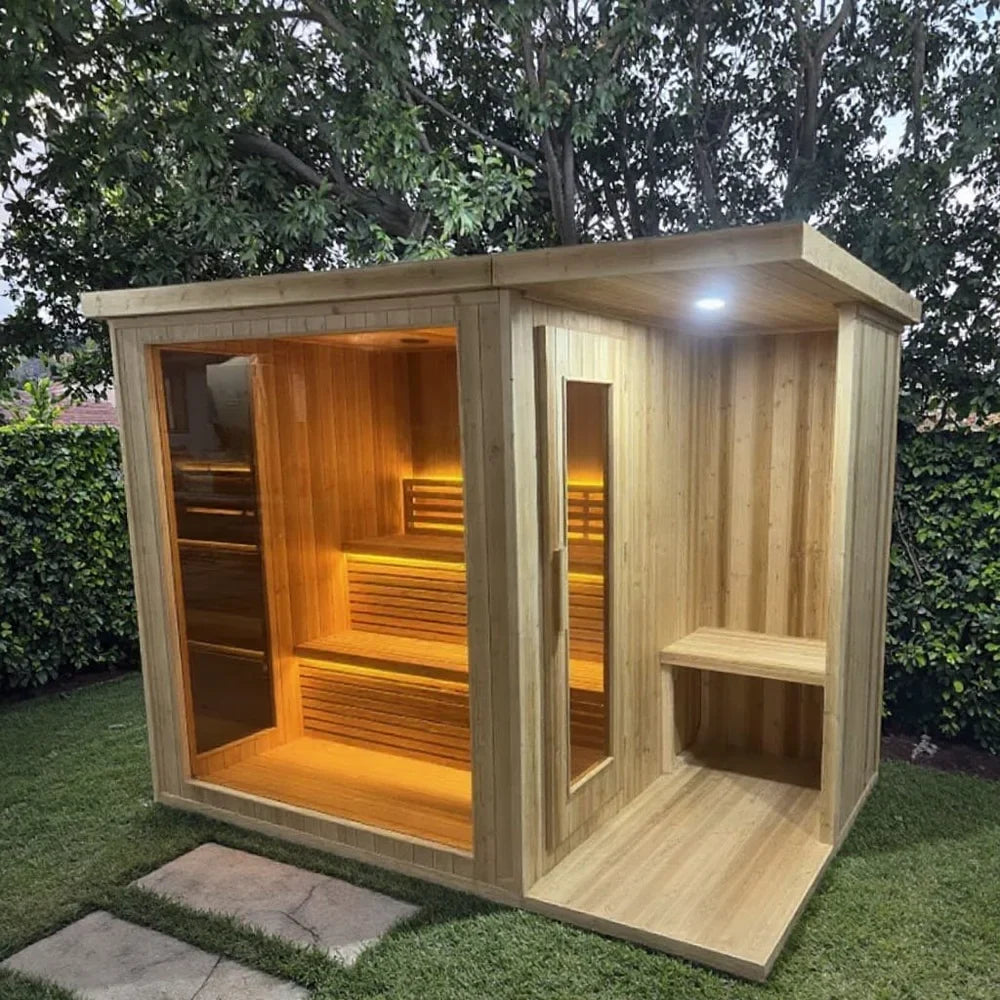
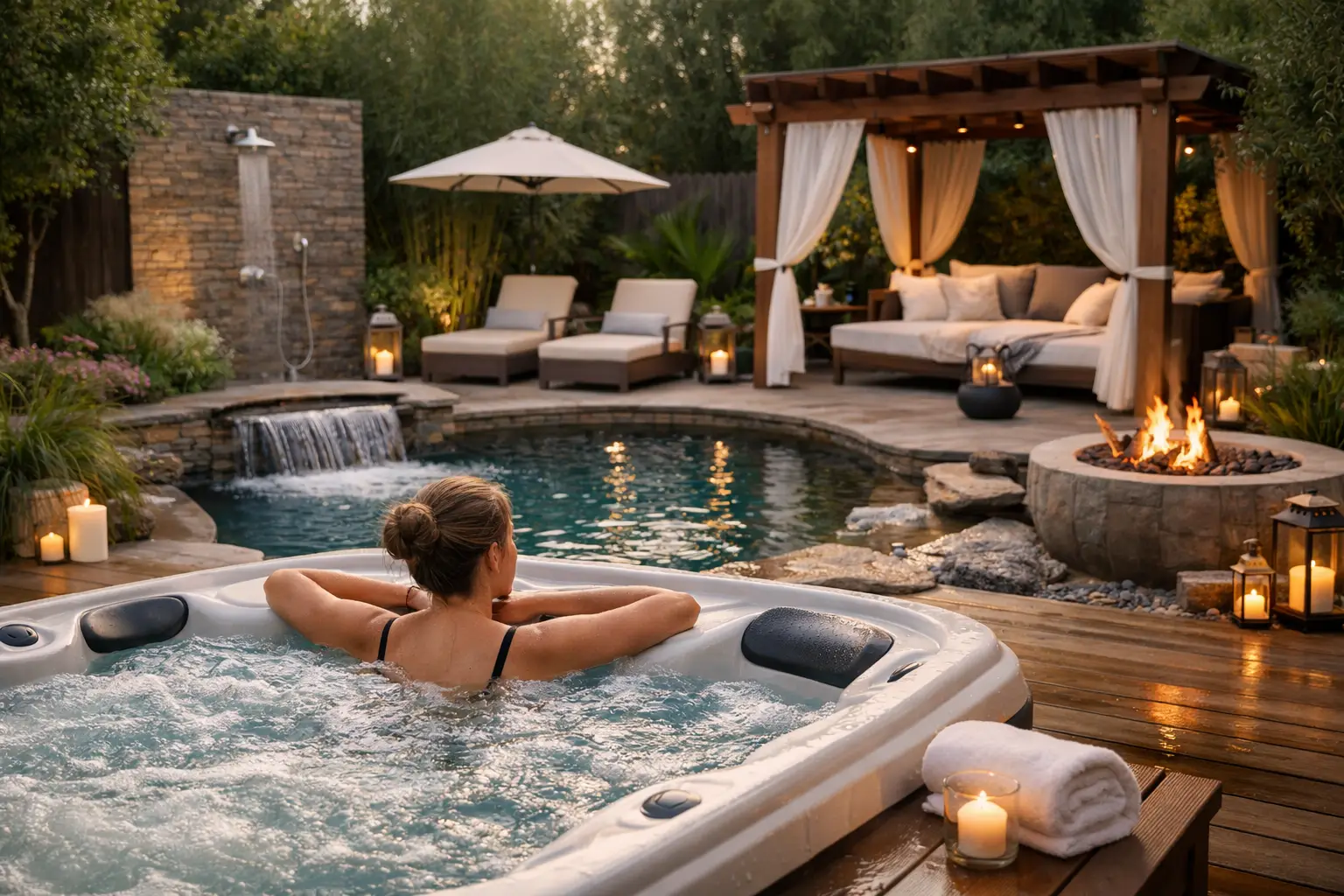
The most memorable private spa backyard does not feel like a collection of expensive amenities. It feels like a place that gently changes your pace the moment you step outside. Warm wood underfoot, the quiet heat of a sauna, cool water waiting nearby, and a view that draws your attention away from the screen in your hand all create a ritual that is easy to return to.
For a primary home, second home, or hospitality property, the goal is not to fill every square foot. It is to create a setting that makes restoration feel natural. Start with the experience you want to have, then let that guide every decision about layout, materials, privacy, and equipment.
Begin With the Ritual, Not the Product
A beautiful outdoor wellness space works because it supports a sequence. Perhaps you begin with a slow sauna session as daylight softens, followed by a cold plunge and time resting beneath the trees. Perhaps your ideal morning is a quiet dip, a cup of tea, and a few undisturbed minutes in a sheltered lounge area.
Think through how you want the space to feel in each season and at different times of day. A sauna may be the anchor for cool evenings and rainy weekends, while a plunge pool can become a refreshing daily practice during warmer months. A glamping dome or outdoor studio can extend the retreat beyond the bathing ritual, giving you a private place to stretch, read, work, or host overnight guests.
This experience-first approach prevents a common design mistake: placing individual features wherever they fit rather than arranging them around how people will actually move and linger. The distance between the sauna, water, towel storage, and a place to rest matters more than it may seem. When transitions are comfortable, the ritual becomes part of life rather than a special occasion.
Design a Private Spa Backyard in Layers
Privacy is more than screening out a neighboring window. It is the feeling that you can exhale without being observed. The best solutions combine several quiet layers rather than relying on one tall fence.
Start with the site itself. Use existing mature trees, changes in elevation, and the natural orientation of the property to decide where the retreat belongs. A corner with a garden view may feel more secluded than a larger open area. On a hillside, positioning the sauna to face a long view can make a compact footprint feel expansive.
Then add architectural and planting layers. Slatted cedar screens offer warmth and air movement while obscuring sightlines. Evergreen hedges, bamboo selected carefully for containment, and layered native planting can soften boundaries over time. A pergola or partial roof can define the spa zone and make it feel protected without closing it off from the sky.
At night, lighting should preserve that sense of refuge. Avoid flooding the entire yard with bright fixtures. Low pathway lights, gentle step lighting, and a warm glow near the sauna entry are usually enough. Light the route, not every surface. The dark edges of a landscape are part of what makes the space feel calm.
Choose an Anchor That Fits Your Lifestyle
For many homeowners, a sauna is the emotional center of an outdoor wellness retreat. Its natural materials, warmth, and simple ritual create a strong reason to spend more time outside in every season. A well-crafted outdoor sauna also gives the landscape a focal point, especially when placed with intention rather than treated as a utility structure.
A cold plunge adds contrast and energy. It can be a striking companion to a sauna, but it asks for a realistic commitment to water care, electrical planning, and regular use. If you know you enjoy cold immersion, placing the plunge close to the sauna makes the hot-cold-rest cycle inviting. If the ritual is new to you, choose a location that allows for easy access and maintenance rather than hiding it at the far end of the property.
For larger properties or vacation rentals, consider a dedicated wellness structure. An outdoor studio room can provide changing space, a shower, a lounge, or a quiet treatment room. A dome can offer an immersive overnight experience, creating a memorable amenity for guests while preserving a close connection to the landscape. The right choice depends on whether the space is primarily for daily personal use, entertaining, or hospitality.
Tanari Earth approaches these elements as parts of one outdoor living experience: purposeful structures, restorative rituals, and nature-centered time that feels considered rather than overbuilt.
Make the Journey Between Heat and Water Comfortable
A spa backyard should work beautifully when you are barefoot, carrying a towel, or stepping outside on a crisp winter morning. This is where practical details become luxury.
Create a clear, slip-resistant path between the sauna and plunge. Materials such as textured stone, high-quality pavers, or thermally modified wood can work well, depending on the architecture of your home and the climate. Gravel is visually appealing and excellent for drainage, but it may not be comfortable for bare feet. If you love its natural look, reserve it for garden edges and use a more stable surface in the main circulation route.
Plan for towels, robes, water, and a place to sit. A simple covered bench, integrated hooks, and weather-protected storage can make the space feel remarkably more usable. If plumbing allows, an outdoor shower is one of the most practical additions. It gives users a place to rinse before entering a plunge and adds a refreshing transition after heat.
Do not overlook drainage. Water from rain, showers, and plunge use needs somewhere intentional to go. Grading, permeable surfaces, and proper drainage planning protect both the longevity of the installation and the comfort of the space after a storm.
Let Materials Age Beautifully
The most enduring spa landscapes do not fight their surroundings. They use materials that become more beautiful as weather, sunlight, and time leave their mark. Cedar, stone, blackened steel, limewash, and textured concrete all bring depth without demanding constant visual attention.
There is a trade-off between a perfectly pristine finish and a lived-in outdoor atmosphere. Light-colored stone may show leaves and water marks. Natural wood will weather unless it is maintained. Dark surfaces can become hot in direct sun. These are not reasons to avoid them, but reasons to select with your climate, maintenance preferences, and desired character in mind.
A restrained palette usually feels more elevated than a mix of competing finishes. Choose two or three primary materials, then repeat them across the sauna surround, seating, pathways, and planters. The result feels composed, even if the landscape itself remains loose and natural.
Plan for Real Conditions Before Installation
Before purchasing any major wellness feature, confirm the fundamentals: local setbacks, permits, electrical capacity, level ground, access for delivery, and drainage. Saunas and plunge pools can have specific electrical and foundation requirements, while larger outdoor rooms may involve additional zoning or building approvals.
This stage is not glamorous, but it protects the experience you are investing in. A thoughtful site plan can also reveal opportunities you might otherwise miss, such as routing power discreetly, adding a shower connection, or preserving a mature tree that will become the defining feature of the retreat.
For hospitality properties, think beyond installation. Guests need clear, intuitive use without turning the space into a rulebook. Durable surfaces, simple storage, soft lighting, and easy-to-understand controls create an elevated experience while reducing operational friction. If the area is remote or frequently rented, choose features with maintenance needs you can genuinely support.
Give the Space Room to Breathe
Luxury is often felt as spaciousness, even in a modest backyard. Resist the urge to fill every open area with furniture, planters, or décor. Leave room for the eye to travel toward a stand of grasses, an old oak, a distant view, or simply the changing sky.
A single lounge chair in the right place can be more compelling than a crowded seating arrangement. A fire feature can be inviting, but only if it serves the way you gather. A small table for tea, water, or a book may be all that is needed near the spa zone.
The final layer is personal: a favorite robe on a wooden hook, a planted path that releases fragrance after rain, a view framed from the sauna door. Build your private spa backyard around the moments you want more of, and it will become less like an outdoor upgrade and more like a place you quietly depend on.